
Related on 4X4 Specialist
- Charging System Fault on Range Rover MHEV – What Does It Mean?
- DC-DC Converter Failure on Land Rover MHEV – Symptoms Before It Dies Completely
- Read: Discovery Sport MHEV Fault – 48V Battery Issues & What It Costs to Fix
→ Land Rover EV/PHEV/MHEV repair · Browse our full Land Rover & Range Rover knowledge base

Why your MHEV Range Rover stop-start has stopped working (and what to do)
You fire the engine, pull up at the lights and the little A symbol does not appear. If mhev range rover stop start not working is your problem, it usually isn’t a mysterious breakdown but a protective lockout. I’ll give you a short answer first, then clear checks and the common repairs for models like Range Rover L460, Range Rover Sport L461, Velar L560, Defender L663 and Discovery 5.
Short answer: it’s usually a battery or a deliberate lockout
Quick: the system needs a healthy 12V AGM, a communicating 48V MHEV pack, a working Belt-driven Starter Generator BSG, correct coolant temperature and restrained HVAC demand. On a Range Rover L460 or L461 any single failure will make the system disable stop-start to protect the vehicle.
Practical detail: the 12V AGM is the single most common reason stop-start won’t work; the vehicle’s Battery Management System will lock out stop-start before the dash shows a low-battery warning so owners often think the feature failed when the BMS is protecting restart capability.

How the MHEV stop-start system works in plain terms
MHEV stop-start on L460, L461, L560, L663 and Discovery 5 uses a 48V battery, a DC-DC converter and a belt-driven starter generator BSG to restart the engine quietly; the BMS monitors state-of-charge and temperature before authorising a stop event.
That means if the 48V pack goes offline and the BECM cannot communicate with it, the vehicle will show a malfunction lamp and permanently disable stop-start until the 48V pack or its control module is repaired or updated.
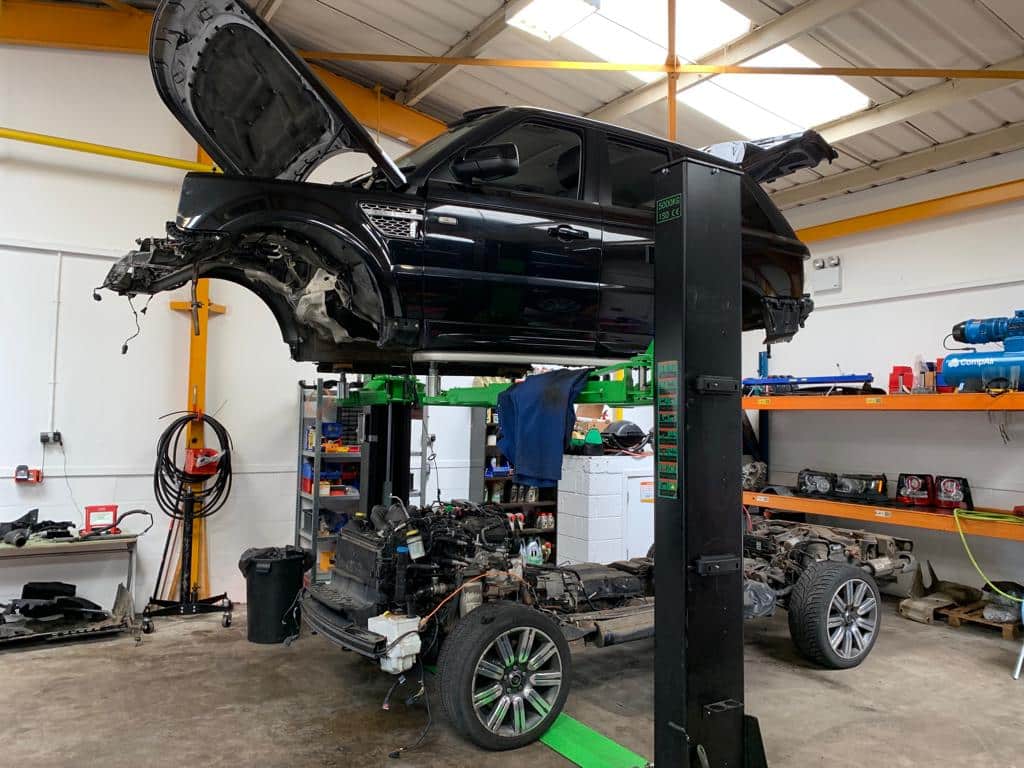

A weak 12V AGM battery is the leading cause of mhev stop start not working; check age and capacity first, replace proactively at around four years.
The 12V AGM battery: the first thing to check
Symptom and reason: a weak 12V AGM will trigger stop-start lockout even before a low-battery lamp appears; this is because the BMS calculates reserve required to guarantee an engine restart, so a diminished AGM capacity will disable mhev stop start not working on L560 or L663 models.
Owner checks: verify the 12V age (replace proactively at four years), look for corrosion on terminals, and ask for a battery capacity test; technicians will also check BMS module LR038721 on Discovery Sport L550 and similar modules when stop-start remains disabled despite a healthy battery.
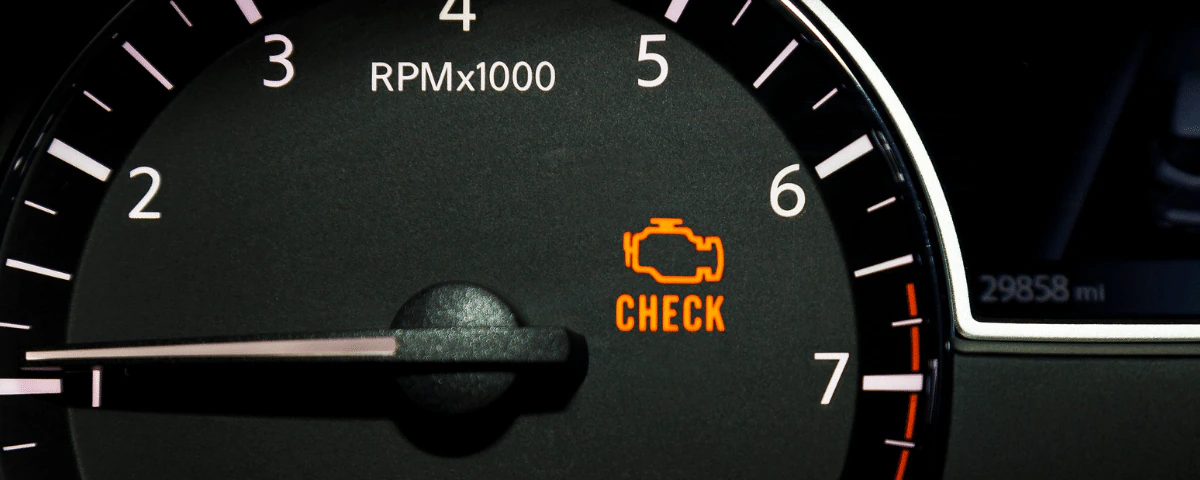

48V pack, BSG and DC-DC faults that disable stop-start
48V pack issues: a 48V MHEV battery can enter an offline state or log cell imbalance faults which permanently disable stop-start until the pack or its control module is repaired or replaced; this affects L460, L461 and L560 MHEV architectures.
BSG and DC-DC: if the belt-driven starter generator fails the system disallows stop-start because the engine cannot be reliably restarted; similarly a faulty DC-DC converter that cannot feed the 12V system will cause a lockout. These faults often require JLR-level diagnostics and live data to confirm.
When software is the cure
Some stop-start faults are fixed by BECM software updates or recalibration; JLR issued multiple updates for 2019–2022 Range Rover Sport L461 and 2020–2022 L460 that resolved communication failures between the 48V pack and vehicle systems.
If your vehicle is within those model years, ask your technician to check module software levels and BECM calibration before expensive component replacements.

Stop-start often disables itself for HVAC comfort, coolant warm-up and extreme ambient temperatures; this is intentional, not a fault.
Environmental and operational lockouts you can expect
Normal behaviour: stop-start disables itself in extreme heat or cold when the HVAC demand is high, and while the engine coolant is still warming up; for example a cold morning start on a Defender L663 with full cabin heat will keep stop-start off until coolant reaches operating temperature.
Practical implication: this is not a fault, it is designed to protect cabin comfort and ensure reliable restarts; driving for 30 minutes at sustained speed will usually allow the 48V pack to charge and the coolant to reach the required temperature so stop-start returns.

Quick checks you can do before booking a diagnosis
What to inspect: check 12V battery age and terminals on models L460 and L461, ensure you are not making repeated short trips which prevent the 48V pack from cycling, and confirm brake pedal is being held firmly; these simple checks can rule out the common causes of mhev stop start not working.
DIY limits: you cannot read 48V pack live voltages or BECM fault logs without diagnostic gear; if a stop-start fault persists after the checks, live data reading with a JLR-capable tool is the next step to identify BMS, BSG or DC-DC faults.
If live-data shows 48V pack offline, BSG or DC-DC faults, you need HV-trained technicians with JLR-capable diagnostics to avoid unnecessary parts replacement.
Professional diagnosis, fixes and when to call a specialist
Start here: an HV-trained technician will run a 12V capacity test, read 48V pack state-of-health, inspect BSG function and examine BECM software versions for models like L560 and L663; module replacement sometimes uses part LR038721 for BMS faults on Discovery Sport L550 variants.
Repair path: some faults are resolved by a 12V AGM replacement and BMS coding, others need 48V pack service or BSG repair and occasional BECM reflash; if you want an EV-trained independent workshop call us from Alva Industrial Estate and we will document live data and fault codes for warranty traceability. Phone 01786 625624.

Common causes of stop-start failure and owner checks
| Cause | What you’ll see | Owner check |
|---|---|---|
| 12V AGM weak | Stop-start locked out, no dash low-battery lamp initially | Check battery age; capacity test; replace AGM if 4 years or older |
| 48V pack offline | Malfunction lamp; permanent stop-start disable | Book HV diagnostic; live data required to confirm cell imbalance |
| BSG fault | Rough restart if attempted; stop-start disabled | Technician to test BSG torque and electrical function |
| High HVAC or coolant cold | Stop-start disabled until cabin/coolant warms | Drive for 30 minutes at sustained speed; recheck |
Frequently Asked Questions
Why has stop-start stopped working on my Range Rover MHEV?
Is it safe to drive without stop-start?
How much does it cost to fix stop-start on a Range Rover MHEV?
What are the most common reasons stop-start permanently disables itself?
How can I keep stop-start working reliably?
Final Thoughts
Stop-start not working on your MHEV Range Rover is usually fixable and often predictable. Start with the 12V AGM and basic checks, then use live-data diagnostics for 48V, BSG or BMS faults. With the right approach you can get the feature restored without unnecessary parts replacement.
Book a stop-start diagnosis
We diagnose MHEV stop-start issues on Range Rover L460, L461, L560, L663 and Discovery 5 with HV-trained technicians and dedicated diagnostic kit. Battery and charging-system tests are free; most battery-related jobs are completed within an hour.
Sources
- NHTSA technical service bulletin – Technical bulletin covering MHEV control module issues.
- Land Rover owner forum discussions – Owner reports on stop-start lockouts and fixes.