
Related on 4X4 Specialist
- Discovery 5 Air Suspension Faults – Common Issues & Repair Costs
- Do Larger Wheels Actually Damage a Range Rover’s Air Suspension?
- Read: Off-Road Tyre Damage – What It Does to Air Suspension & ADAS Sensors
→ Range Rover air suspension repairs · Browse our full Land Rover & Range Rover knowledge base

Range Rover Air Suspension Compressor Failure, Signs, Causes and Fixes
You slide into the boot, hear a harsh motor whir, and the car sits low on one corner the next morning. That groaning pump under the boot floor is usually the first real clue of a range rover air suspension compressor failure. Read on for concise, model-specific checks, what damages compressors quickest, and sensible next steps so you can avoid a stranded Range Rover or a costly secondary repair.
How the Range Rover air suspension compressor works
Short answer: the compressor pumps high-pressure air into the valve block and air springs to reach target ride height set by height sensors. In most JLR models the compressor sits under the boot floor and feeds all four corners through the valve block; the control unit monitors height sensors and cycles the pump.
Practical detail: on L322 and L320 cars the system relies on the valve block and four height sensors; fault codes like C1A18-64 point to communication or pressure faults. If the compressor cannot build pressure or overheats, the car will either sit low or go to emergency ride height.
Where to listen and look
Listen from inside the boot with the boot open; a laboured, loud whining motor that runs long during height change is a key symptom. Also inspect the intake filter housing for oil contamination and the compressor relay and fuse in the under-bonnet fuse box.

Common warning signs of compressor failure
Immediate signs: vehicle sits low, especially overnight on one corner, or takes a long time to rise on start-up. Expect to see the suspension warning light on the dash; the car may fail to reach full ride height or sit on its bump stops if the compressor cannot build pressure.
Audible and electrical signs: loud, laboured compressor noise under the boot floor during height adjustment; repeated blowing of the compressor relay; or constant compressor running without reaching height, which usually indicates a leak rather than a dead pump.
Model notes
L322s commonly show early sagging from around 80,000 miles when original bags start to leak; L320 and L538 Sport cars behave similarly. Newer L405 and L494 models suffer fewer mechanical failures but still present valve block and sensor faults that force the compressor into long duty cycles.


If the compressor runs continuously, locate and repair leaks first; running it against leaks destroys the motor.
Primary causes of premature compressor wear
Top cause: running the compressor against a sustained leak. A split air spring, perished air line or leaking valve block lets air escape as fast as the pump makes it, overheating the motor and burning the windings.
Other frequent causes: blocked or saturated intake filter starving the motor of air; excessive cycling because of a faulty height sensor; and low battery voltage reducing compressor efficiency. Any of these shorten life well below the expected 100,000 miles for a healthy system.
Why leaks are the enemy
If the compressor runs continuously chasing a leak the motor reaches high duty cycle temperatures and brushes wear rapidly; the compressor relay may blow repeatedly. Fix leaks first, then reassess compressor health to avoid replacing a still-serviceable unit unnecessarily.

Diagnosing compressor vs leak, quick checklist
Short answer: if the compressor runs but the car will not reach height, suspect a leak. If the compressor fails to start, or makes grinding noises then stops, the compressor motor or internal components may be at fault. Use an OBD scan to capture suspension fault codes; C1A18-64 is one code associated with pressure or communication failures.
Practical checks you can do: listen for the compressor under the boot floor during a height command; check fuses and relays; watch for constant cycling after a short drive; spray soapy water around air spring bellows, valve block and unions to find audible bubbles and bubbling. Also check battery voltage at the compressor when it runs; under 12.0V will reduce performance.
When a scan is essential
A diagnostic scan reveals stored codes and live pressure readings; if the valve block shows leakage ports open when they should be closed you must fix or replace the valve block before any compressor work. A scan also tells you if height sensors are falsely commanding the pump to run.
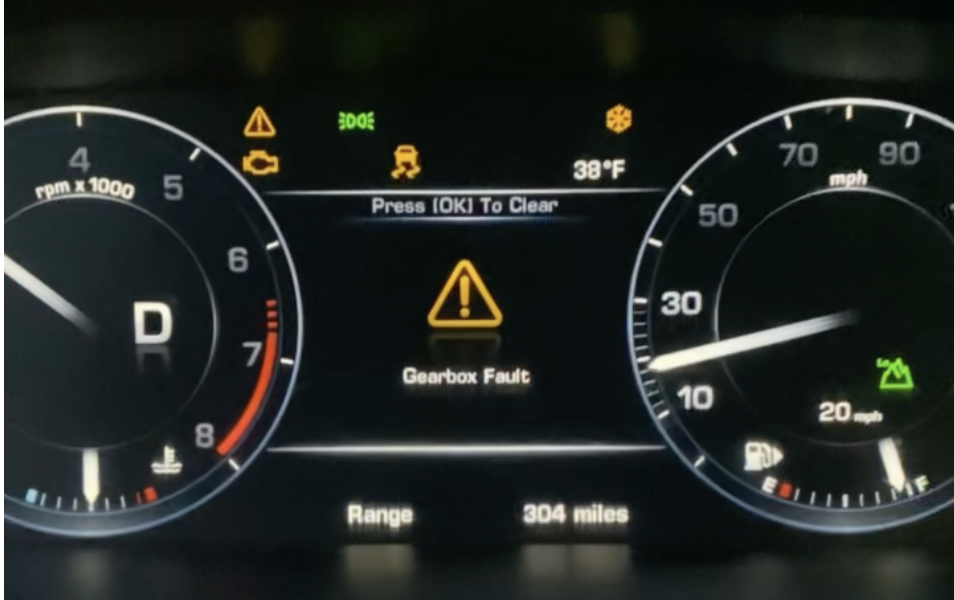

A loud, laboured compressor under the boot and fault codes such as C1A18-64 point to pressure or component faults that need a diagnostic scan.
DIY checks and safe immediate actions
If your Range Rover sits low, do a simple isolation: lift to a safe working height on ramps or a ramped driveway; listen under the boot for the compressor when you select Height. Check and swap the compressor relay with a similar-rated relay and inspect the fuse. These are low-cost, quick checks before any parts purchase.
Locate obvious leaks visually and with soapy water at air bag seams, air lines and valve block unions. If the compressor runs constantly, stop driving; continued use will overheat the pump and risk further damage to suspension arms when the car bottoms out on bump stops.
Battery and electrical
Use a multimeter to check battery voltage at rest and with the pump running; voltage under 12.0V is a clear reason for poor compressor performance. Clean battery terminals and check chassis earths, because high resistance can trip the ECU into repeated cycles.
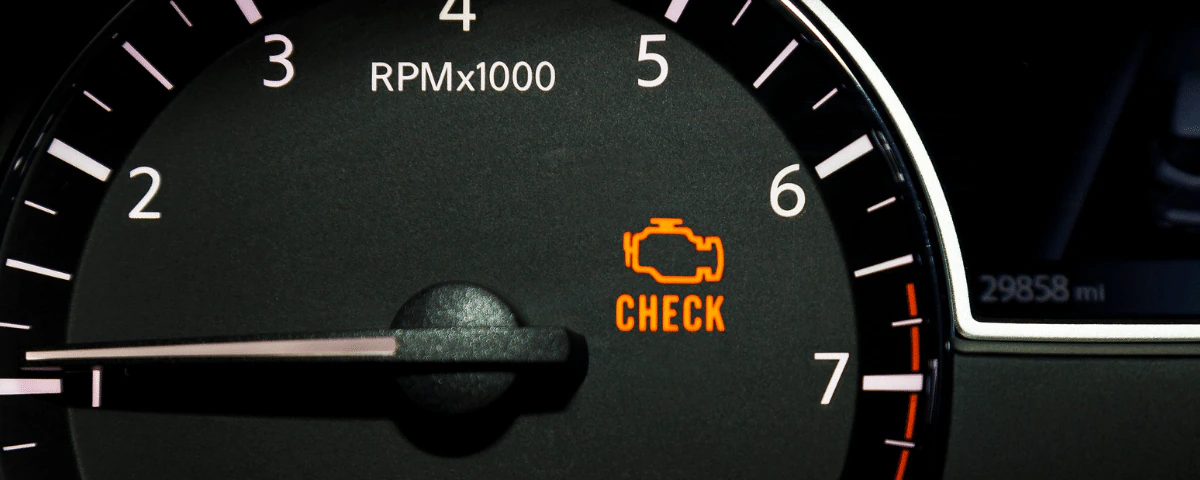
Compressor repair options, rebuild kits and replacement
Short answer: some compressors can be rebuilt, others must be replaced. Rebuild kits for Arnott and Dunlop units include motor brushes, piston seals and intake filters and suit many L322, L320 and L538 compressors. If motor windings are burned or the cylinder is scored, replace the unit.
Practical advice: always inspect and, if necessary, replace air springs and the valve block when fitting a new compressor. Fitting a new compressor to a leaking system is a false economy and will result in rapid repeat failure.
Labour and accessibility
On most Range Rover models the compressor is accessed through the boot floor, but expect additional time to remove trim, the spare wheel and to depressurise the system safely. In many cases budget for a half-day workshop slot for a rebuild and up to a full day if the valve block or bags require replacement.

Always inspect air springs and the valve block when fitting a new compressor to avoid repeat failures.
Safety risks and when to call a professional
Short answer: stop driving if the car sits on bump stops. Continued driving risks damage to lower suspension arms, wheel arches and the underbody, especially over speed bumps. Recovery can save you from compounding a simple compressor fault into a major repair.
When to call us: if you see persistent warning lights, unusual compressor noise, or if scanning reveals pressure or valve block errors, get professional help. Accurate diagnosis requires live pressure checks, scan tools and sometimes bench-testing the compressor at battery voltage to judge motor health.
Model-specific tips
L322 and L320 owners should check bags from around 80,000 miles. L405 and L494 systems can suffer from valve block leaks and sensor wear. Discovery 3 and 4 models often need valve block attention alongside the compressor.

Repair Options at a Glance
| Option | When to choose | Typical workshop time |
|---|---|---|
| Rebuild compressor (brushes, seals, filter) | Compressor motor sounds OK, cylinder unscored, intake clogged | 2-4 hours |
| Replace compressor with OE-equivalent | Motor windings burnt, cracked housing, high mileage unit | 3-6 hours |
| Replace compressor and valve block | Valve block leaks or multiple ports failing | 4-8 hours |
Frequently Asked Questions
What are the warning signs of a failing air suspension compressor on a Range Rover?
Why does the air suspension compressor keep running without reaching ride height?
Can a Range Rover air suspension compressor be repaired, or does it need replacing?
What causes a Range Rover air suspension compressor to fail prematurely?
What happens if I keep driving with a failed compressor?
Final Thoughts
Air suspension compressor problems are urgent but manageable. Find leaks first, listen to the pump, and use a diagnostic scan to avoid throwing money at the wrong component. With sensible checks you can often salvage a compressor or choose a cost-effective rebuild and avoid secondary damage.
Book an air suspension check
If your Range Rover is showing signs of compressor trouble call 01786 625624 to book a diagnostic scan. We stock common compressors for L322, L320 and Evoque models and will advise whether a rebuild or replacement is best.
Sources
- Aerosus – Industry guidance on air suspension symptoms and compressor location
- British Auto – Common Range Rover suspension failure signs and solutions
- Bock Automotive – Information on diagnostics and valve block issues
- Vigor Air Ride – Notes on causes and preventive maintenance