
Related on 4X4 Specialist
- DC-DC Converter Failure on Land Rover MHEV – Symptoms Before It Dies Completely
- Discovery Sport MHEV Fault – 48V Battery Issues & What It Costs to Fix
- Read: MHEV 48V Battery Offline – Causes, Diagnosis & Repair
→ Land Rover EV/PHEV/MHEV repair · Browse our full Land Rover & Range Rover knowledge base

Charging System Fault on Range Rover MHEV: What It Means and What to Do
You see ‘Charging System Fault’ on your Range Rover MHEV dash and your heart sinks. This warning means the alternator or 48V MHEV charging architecture cannot reliably support the 12V system; the car will run from battery power alone and can shut down within 30 minutes. Stay calm and follow a short diagnostic routine below to decide whether you need a roadside stop or a specialist visit.
Short answer: what ‘Charging System Fault’ means
Short answer: the vehicle’s control modules have detected the alternator or MHEV charging chain cannot hold the 12V bus at a safe charging voltage, typically 13.8-14.6V; when that happens the car switches electrical load to the battery and range is limited.
On Range Rover and Range Rover Sport MHEV variants such as L405 and L494, this message appears when charging voltage falls below the expected threshold or the alternator’s output capability is insufficient, leaving the battery to supply everything for potentially up to 30 minutes.

How the 48V MHEV charging system differs from a conventional setup
MHEV Range Rovers use a 48V lithium-ion battery and a dedicated power converter alongside the standard 12V battery; the converter mediates charge and provides torque assist, so failure affects both the 48V and 12V circuits.
Because the architecture includes a 48V battery, power converter, and voltage management ECU, a simple alternator test is not enough; the control system monitors voltage, current and converter status across multiple modules on L494 and L405 MHEV models.
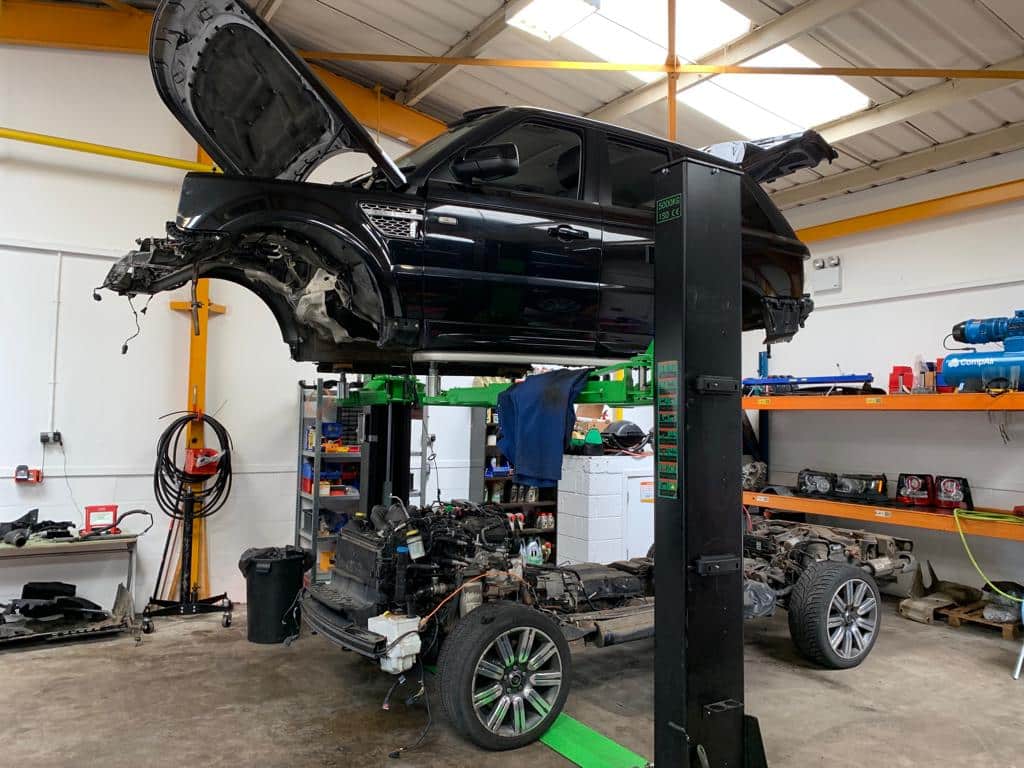

Do not continue long journeys with the charging warning active; the car can shut down within 30 minutes and needs a battery voltage check (12.6V resting, 13.8-14.6V charging) before further travel.
Primary cause: alternator failure and mileage patterns
Alternator failure is a leading cause; many units on Range Rover MHEV vehicles tend to fail in the 100,000 to 150,000 mile window, particularly on diesel V6 and V8 engines where belt-driven alternators work hard.
If your vehicle has more than 100,000 miles and you see the charging system fault, get a bench test of the alternator and an in-car output check showing charging voltage of 13.8-14.6V; a failing alternator will not sustain that range under load.
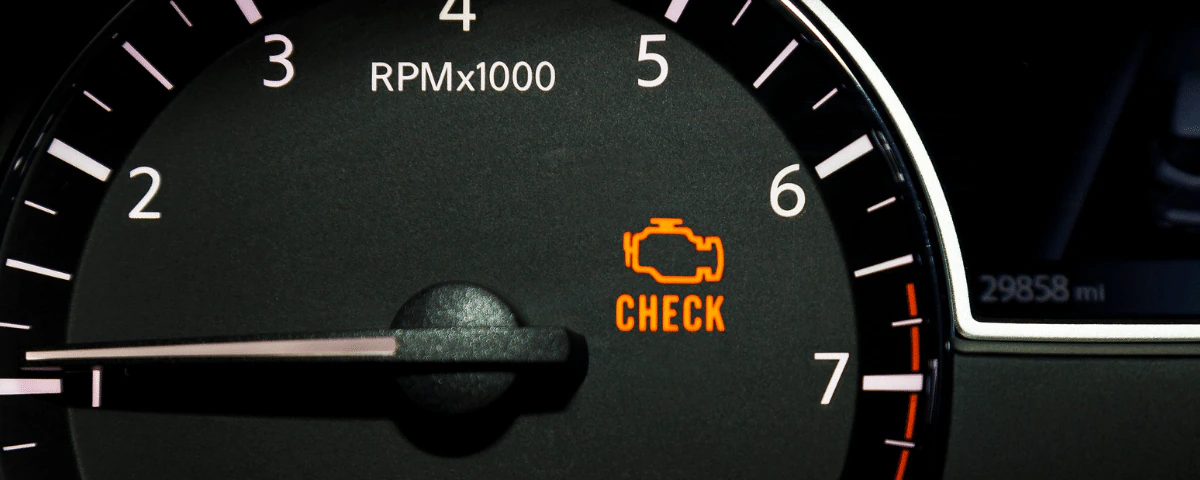

Secondary cause: degraded 12V battery and age
A weak or aged 12V battery often mimics alternator failure; if your 12V battery is over 5 years old the capacity and acceptance can fall, so the car reports charging inability even when the alternator is fine.
Check resting voltage (12.6V for a healthy fully charged battery) and perform a state-of-health test; a 12V battery that will not accept charge under a 13.8-14.6V source or fails a cranking CCA test should be replaced to rule it out cheaply before replacing alternators or converters.


A 12V battery over five years old or corroded terminals often cause the fault; a battery state-of-health test is the simplest, low-cost first step.
The MHEV power converter: why it matters
The 48V power converter converts 48V to 12V and manages charging; a converter fault will trigger the same ‘Charging System Fault’ as an alternator or battery problem because the 12V bus is affected directly.
Converter failure is specialist to hybrid models; testing and replacement often requires module-level diagnostics and a genuine replacement part – see a typical power converter listing for compatibility and fitment details here.

Quick owner checks you can do safely
Stop driving if the warning appears and you cannot confirm stable charging voltage; check resting 12V with a multimeter: 12.6V is healthy, 12.0V is low, and charging should read 13.8-14.6V when running at idle on L494/L405 models.
Visually inspect battery terminals for corrosion, confirm the 12V battery is not older than five years, and check for loose alternator belt. If you want a guided diagnostic video overview, view a step-through demonstration showing common checks.
Multimeter checks
Use a digital multimeter set to DC volts: resting 12V = 12.6V, with engine running you should see 13.8-14.6V; if voltage falls under load or the ECU reports alternator fault codes, stop driving and seek specialist help.


The 48V power converter can fail independently and requires module-level diagnostics and possibly replacement; consult a specialist familiar with MHEV systems.
When to stop driving and call a specialist
If the ‘Charging System Fault’ stays on, do not continue long journeys; the vehicle can shut down completely within 30 minutes and leave you stranded if both alternator and converter are compromised, or if the 12V battery cannot sustain load.
Arrange collection or roadside assistance if you have less than 12.6V resting or if charging voltage stays under 13.5V when running; note vehicle details such as MHEV badge, VIN and mileage to speed diagnostics at the workshop.
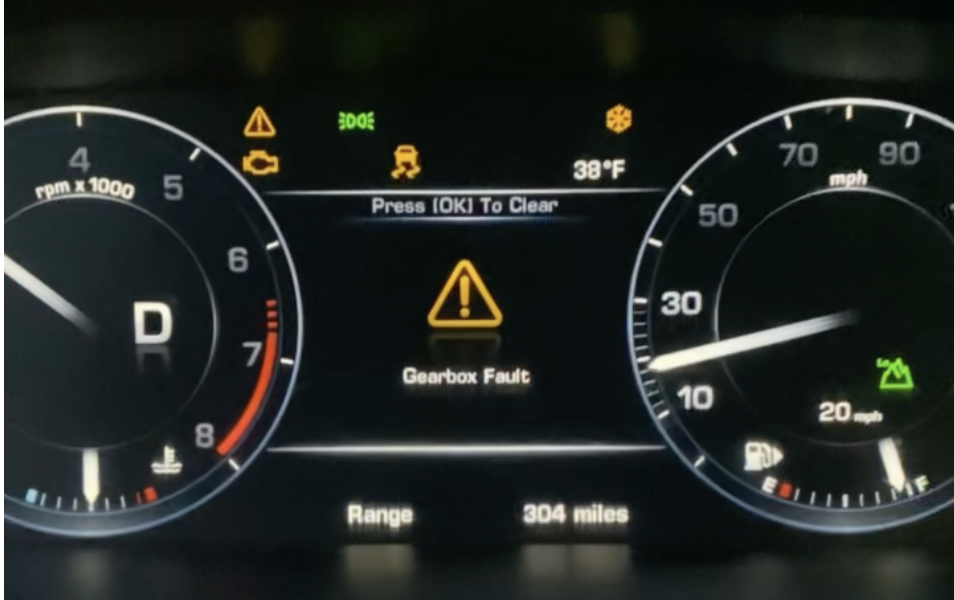
Repair pathway and what to expect
A proper workflow is battery state-of-health test, alternator bench test, and then converter/module-level diagnostics; on MHEV models this often requires a dealer-level scan tool to read converter errors for L405/L494 systems.
Before replacing expensive items, check battery age (replace if over 5 years) and confirm alternator output; converter replacements require programming and can have lead times, so expect the workshop to want VIN, mileage and sometimes to run a full charging system log.
Common causes and quick checks
| Probable Cause | Quick Owner Check | Next Workshop Step |
|---|---|---|
| Failing alternator (common 100k-150k miles) | Run engine, check charging 13.8-14.6V with a multimeter | Alternator bench test and replacement if output low |
| Degraded 12V battery (age >5 years) | Resting voltage 12.6V, CCA test or SOH test | Replace battery and retest charging system |
| 48V power converter fault | No simple owner test; symptoms mirror alternator failure | Module-level diagnostics, programming and converter replacement |
Frequently Asked Questions
Can I restart the car if the charging system warning appears while driving?
Will replacing the 12V battery always clear the charging fault?
How does a workshop distinguish alternator failure from power converter failure on MHEV models?
Final Thoughts
The ‘Charging System Fault’ on a Range Rover MHEV is urgent but manageable: check your 12V battery first, verify charging voltage with a multimeter, and get specialist module-level diagnostics for the 48V converter if needed. Treat the warning seriously, because the vehicle can quit within minutes without intervention.
Need help with a charging system fault?
If your Range Rover or Range Rover Sport MHEV shows the charging warning, call 01786 625624 for diagnostics and recovery in Central Scotland. Have your VIN and mileage ready.
Sources
- Power converter fitment and compatibility notes – Technical notes on 48V power converter replacement and model fitment
- Charging system check walkthrough – Video demonstration of charging system checks including voltage testing