
Related on 4X4 Specialist
- Charging System Fault on Range Rover MHEV – What Does It Mean?
- Discovery Sport MHEV Fault – 48V Battery Issues & What It Costs to Fix
- Read: MHEV 48V Battery Offline – Causes, Diagnosis & Repair
→ Land Rover EV/PHEV/MHEV repair · Browse our full Land Rover & Range Rover knowledge base
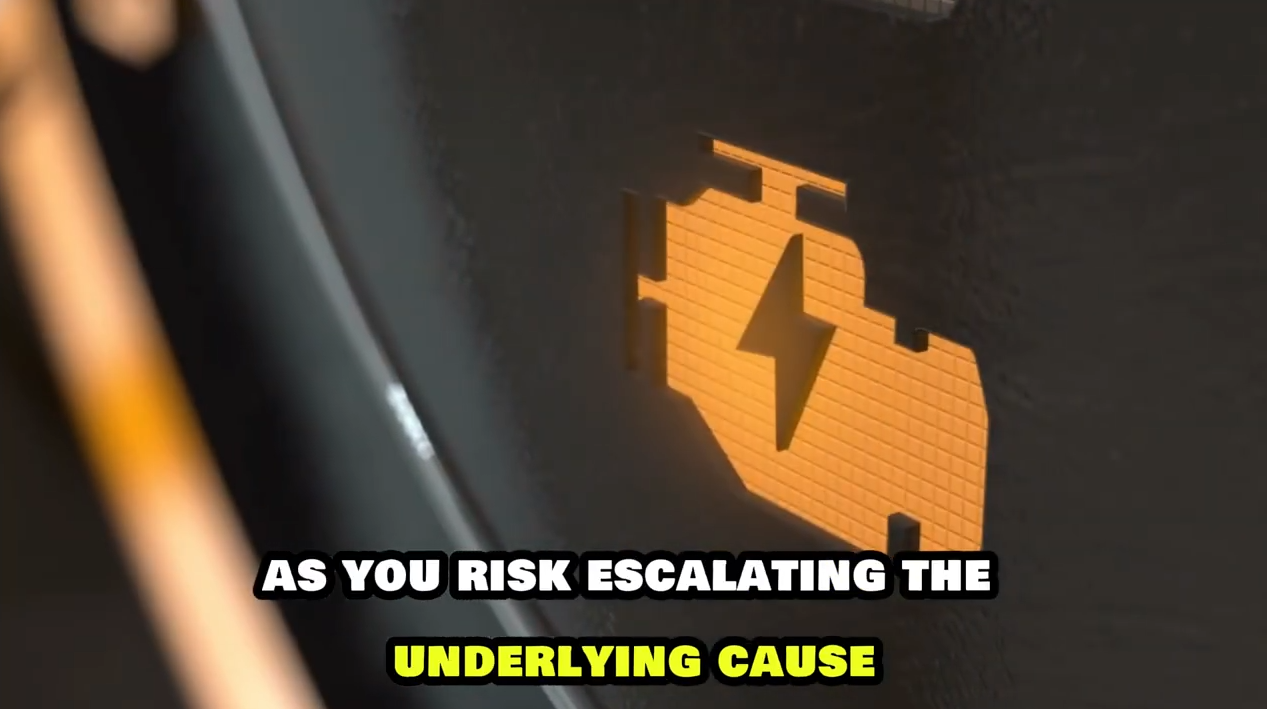
DC-DC Converter Failure on Land Rover MHEV: Symptoms Before It Dies Completely
You might see a charging warning flash on the dash, the stop-start quit for a mile then come back, or the 12V battery appears sickly overnight. On MHEV Land Rovers such as Range Rover L460, Range Rover Sport L461, Velar L560, Defender L663 and Discovery 5, the DC-DC converter is the device that takes 48V and feeds your 12V systems. Catching dc dc converter failure symptoms Land Rover owners report can save you a converter, and a dead AGM, later on.
Why the DC-DC converter matters in MHEV Land Rovers
Short answer first: the DC-DC converts 48V pack energy into regulated 12V to run ECU modules, infotainment and the starter battery; if it fails the car behaves like it has a dead alternator. On Range Rover L460 and Defender L663 the converter is integral to every 12V circuit, so any sustained 12V dip can generate multiple module fault codes.
Practical detail: the converter contains high-voltage capacitors and power electronics that suffer thermal stress after long motorway runs with HVAC max or continuous high load. Visible harness or connector damage near the converter mounting is a common confirmatory sign during a physical inspection.

Earliest symptoms, what you will notice first
Short answer: intermittent ‘Charging System Fault’ that clears after a restart, occasional failure of stop-start and a 12V battery that seems to die faster than it should. These early dc dc converter failure symptoms Land Rover owners report commonly show up weeks or months before complete shutdown.
Checks you can do: note the exact message text, for example ‘Charging System Fault’ or ‘Low Battery – Start Engine’, record when it appears (after long runs or cold mornings), and try a quick battery disconnect reset; if the warning clears but returns within days, that pattern suggests DC-DC capacitor or regulation instability rather than a single flat 12V cell.


An intermittent ‘Charging System Fault’ that clears after a restart often precedes full DC-DC failure; early diagnosis usually limits repair to the converter alone and avoids a second expense for a dead AGM battery.
Mid-stage signs: persistent messages and electrical glitches
Short answer: warnings become persistent and electrical accessories glitch under load, for instance HVAC fans dropping speed, infotainment rebooting or headlamp flicker during cruise; you will also see ‘Low Battery – Start Engine’ more often. These are mid-stage dc dc converter early symptoms in Range Rover DC-DC warning signs.
Practical checks: perform a live load test with JLR diagnostic tools to watch 12V bus voltage while running HVAC, heated seats and lights together; note any voltage sag under 12.4V with engine off or below regulator set-point when the 48V pack is asked to support 12V.

Late-stage indicators: constant warnings and no-start risk
Short answer: warnings stop clearing, multiple modules log related fault codes, and the car may refuse to start once the 12V AGM is drained. A late-stage failure often looks identical to a complete alternator loss in conventional cars.
Owner actions: if the car begins to crank slowly or shows a no-start after overnight parking, do not attempt repeated starts; that behaviour often means the DC-DC has ceased regulating and has already significantly discharged the 12V AGM battery, adding replacement cost and delay.
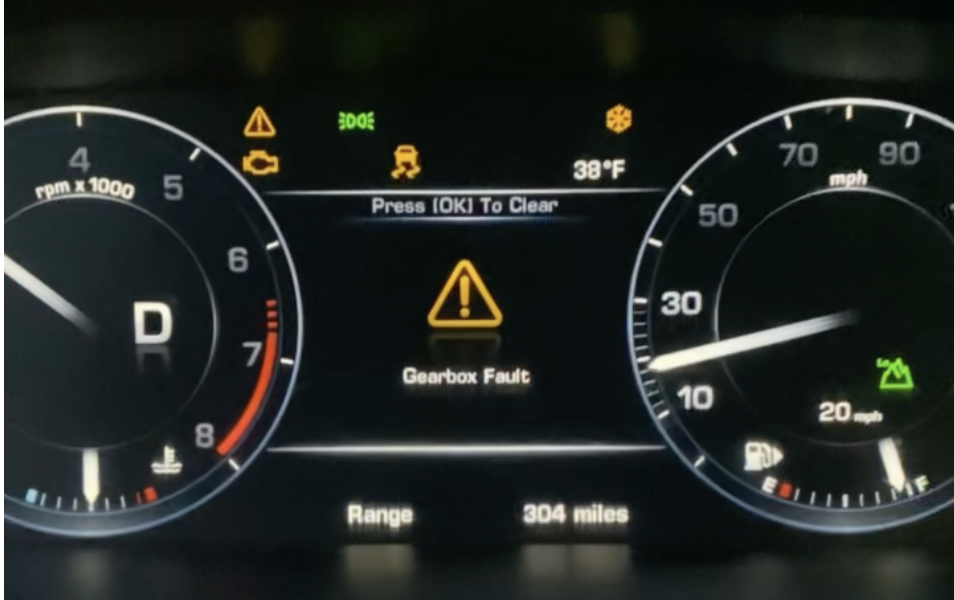

Reproduce the fault with HVAC and lights on; record the exact message text and time-of-occurrence for the technician to speed up live-data capture and correct diagnosis.
Common trigger patterns and environmental factors
Pattern details: four frequent patterns precede failure: warnings after prolonged high-load motorway runs; warnings only on cold mornings suggesting capacitor degradation; warnings after several days parked implying the converter struggles to bring 12V up; and warnings that clear after a battery disconnect but return quickly. All indicate progressive component breakdown rather than sudden damage.
Thermal and electrical context: thermal stress accelerates degradation, so cars used with constant HVAC, heated seats, towing or heavy electrical draw will push converters faster. Cold weather exposes weak capacitors, producing boot-up warnings on first start, especially on models fitted with stop-start and BSG-assisted systems.

Practical diagnostics you can try before the garage
Short checklist: record the exact dash messages, note when they occur, try a battery disconnect reset and replicate the fault by turning on HVAC, lights and heated seats together to induce load; if the warning reappears during that load profile you have classic dc dc converter failing signs.
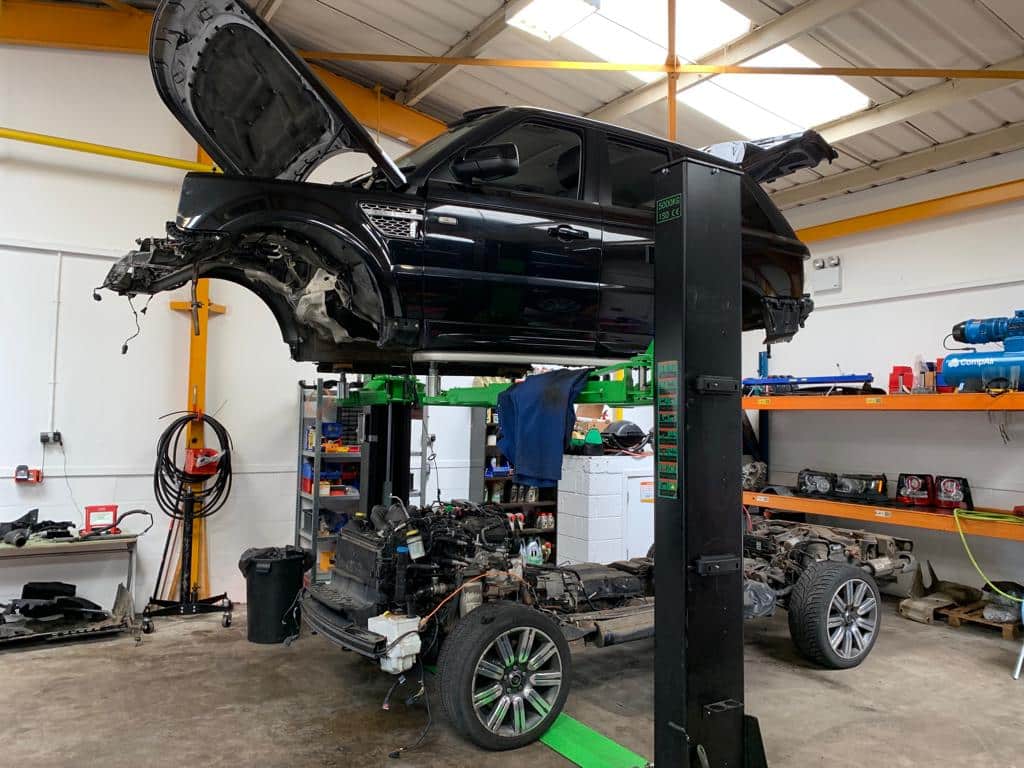
When to use professional tools: intermittent faults need live data capture of the 48V and 12V rails with JLR diagnostic tools to catch voltage collapses and converter internal error codes; a dealer-level scan will show DC-DC internal fault counters and can confirm whether the converter or wiring/harness needs replacement. For a full Land Rover EV and hybrid repair specialist service see our DC-DC diagnostics and repair information.
What to tell the technician
Give the tech exact symptom timing: e.g. ‘Charging System Fault after 120-mile motorway run with HVAC at 22C’ or ‘Low Battery message on 3 cold mornings in a row, reset by battery disconnect’. Mention any recent jump-starts or visible connector heat marks; this speeds diagnosis and focuses live-load testing.

Intermittent faults are best caught with live 48V and 12V bus data using JLR-level diagnostics; visual checks alone often miss early capacitor or regulation failures.
Inspection, common repair steps and parts notes
Physical inspection: check the DC-DC housing, HV/12V connector pins and harness routing for heat discoloration, melted insulation or corrosion; visible damage to connectors or the harness is a confirmatory sign and usually means replacement of the converter and adjacent harness sections.
Replacement detail: when internal faults or harness damage are confirmed the usual fix is a converter and harness replacement to manufacturer spec; technicians will clear related module codes and perform a post-repair live-load test to confirm the 12V bus is stable. Documented live-data and fault-code records are invaluable for warranty claims.
Prevention and getting the longest life from your DC-DC
Service actions that help: keep the 12V AGM healthy by replacing it around year four if used on short trips, use a smart trickle charger for cars with long lay-ups, and avoid prolonged ignition-on-engine-off events. A healthy AGM reduces stress on the converter during cold starts and high-load moments.
Software and cooling: stay current with JLR module updates that can tweak DC-DC management, and ensure any 48V cooling or ventilation items on your model are clear and functioning; poor cooling around the converter is a common contributor to thermal-driven early failure.
DC-DC Failure Stage Comparison
| Stage | Symptoms | Owner action |
|---|---|---|
| Early | Intermittent ‘Charging System Fault’, stop-start intermittent, faster 12V drain | Record messages, try battery disconnect reset, reproduce with load and book a diagnostic |
| Mid | Persistent ‘Low Battery – Start Engine’, HVAC or infotainment glitches, voltage sag under load | Live-load test with JLR diagnostics; prepare for possible converter replacement |
| Late | Constant warnings, multiple module faults, slow/no-start due to dead AGM | Do not attempt repeated cranks; arrange recovery and replacement of converter and likely AGM |
Frequently Asked Questions
What are the early warning signs of a failing DC-DC converter?
Is it safe to keep driving with intermittent charging warnings?
How much can I save by catching DC-DC failure early?
What are the most common patterns of intermittent DC-DC faults?
How can I get the longest life out of my DC-DC converter?
Do you cover DC-DC diagnostics on Sport, Vogue, Velar, Defender and Discovery MHEV?
Will an independent specialist void my warranty by diagnosing the DC-DC?
Where do I book a DC-DC health check at 4X4 Specialist?
Final Thoughts
Don’t wait for a cold morning no-start or a motorway breakdown; intermittent charging warnings are your cue to act. Note the exact messages, replicate the load profile that triggers them and get a live-data diagnostic. Early action usually limits the job to one component and keeps your 12V AGM and modules safe.
Book a DC-DC health check
Arrange a DC-DC and charging-system health check with trained EV technicians. Call 01786 625624 or book online. The check includes live 48V/12V load data and takes around an hour at our Alva workshop.
Sources
- NHTSA Technical Service Bulletin – Technical bulletin detailing DC-DC issues and repair guidance.
- NAS-ROW forum discussion – Owner reports and troubleshooting notes from MHEV users.
- Land Rover MHEV system overview – Technical explanation of how the 48V MHEV system and DC-DC converter work.