
Related on 4X4 Specialist
- MHEV vs PHEV Repairs – What’s Different & Why You Need a Specialist
- Charging System Fault on Range Rover MHEV – What Does It Mean?
- Read: DC-DC Converter Failure on Land Rover MHEV – Symptoms Before It Dies Completely
→ Land Rover EV/PHEV/MHEV repair · Browse our full Land Rover & Range Rover knowledge base

Range Rover L460 MHEV vs PHEV: Which Should You Buy?
You are choosing between range rover l460 mhev vs phev: picture commuting into town on pure electric power or cruising the A9 between cities on a frugal diesel. The decision hinges on how often you can charge, the miles you cover, and whether you value pure-EV trips or long-distance economy. Read the straight facts: model codes, battery sizes, realistic EV range and the key maintenance items that will keep your L460 on the road.
How the L460 MHEV system works (D300, D350, P400)
Short answer: MHEV uses a 48V starter-generator and a small battery; it helps start-stop, recovers braking energy, and smooths driveline operation but cannot drive in electric-only mode. The 48V architecture appears on D300, D350 and P400 models and adds a few dozen kilograms compared with a non-MHEV Land Rover.
Practical checks: on an MHEV look for 48V system warnings on the instrument cluster at cold starts and test for 12V battery health; a weak 12V (12.4V resting) can trigger spurious MHEV faults. When to call us: persistent 48V generator codes, unexplained cranking issues, or a 12V resting voltage below 12.2V.
MHEV long-distance strengths
The D350 diesel is the long-distance specialist, returning 30–38 mpg real-world on mixed A-road and motorway runs depending on load and driving style. For owners covering 200+ miles per week the D350 typically costs less to run than an uncharged PHEV.

What the L460 PHEV delivers (P440e and P510e)
Short answer: P440e and P510e pair an Ingenium straight-six petrol with a 38.2 kWh high-voltage battery and an electric motor to offer up to around 70 miles of pure EV driving. Total system outputs differ, with the P510e biased toward higher combined power for brisk acceleration.
Practical checks: verify high-voltage battery state-of-health (SOH) on any used P440e/P510e; annual HV battery health reports with cell-balance data are recommended, and charge cycles should be logged if available. When to call us: charging faults at the inlet, HV cell imbalance warnings, or EV-only mode failures.
PHEV performance and weight
Because the 38.2 kWh pack adds several hundred kilograms, an uncharged PHEV will often return worse fuel economy than a lighter D350 diesel on long trips. However, when regularly charged at home the P440e/P510e can cover daily commutes in EV mode and deliver very low equivalent consumption.


If you can charge at home and your daily trips are under about 70 miles, the P440e/P510e will cut fuel bills and emissions. If not, the D350 MHEV delivers better long-distance economy.
Real-world EV range and charging for PHEVs
Expect up to about 70 miles of real-world electric-only range from the 38.2 kWh pack on the P440e/P510e, though heavy throttle use, towing or cold weather will reduce that figure. For commuters doing sub-40 mile round trips the PHEV can handle daily use entirely on electricity if you charge each night.
Charging practicalities: domestic 7 kW AC charging will refill the 38.2 kWh pack overnight; a typical 7 kW home wallbox will take around 6 hours to charge from near empty. Use manufacturer-tested chargers to avoid communication errors at the inlet and arrange annual HV battery health checks to monitor cell balance and SOH.
When charging is not available
If you cannot charge at home the P440e/P510e becomes heavier dead weight; expect long-trip economy to settle around 25–30 mpg once the battery is depleted, worse than a D350 diesel returning 30–38 mpg.

Fuel economy and running costs: MHEV vs PHEV
Typical real-world figures: D300/D350 diesel MHEV owners generally see 30–38 mpg on mixed use; P400 petrol MHEV returns around 24–30 mpg. A regularly charged P440e/P510e can achieve an equivalent of 60+ mpg on short, electric-first trips; on long motorway runs with a depleted battery expect 25–30 mpg.
Running costs beyond fuel: PHEVs carry additional high-voltage battery checks and potential long-term cell replacement costs; add an annual HV battery health check fee of a few hundred pounds. Insurance tends to be marginally higher for P440e/P510e compared with D350 due to replacement-cost exposure on the HV pack.
Servicing differences
Servicing intervals mirror brand schedules but PHEVs require HV system diagnostics and coolant circuit checks for the battery pack; independents with JLR diagnostics can perform these without voiding warranty under UK Block Exemption.
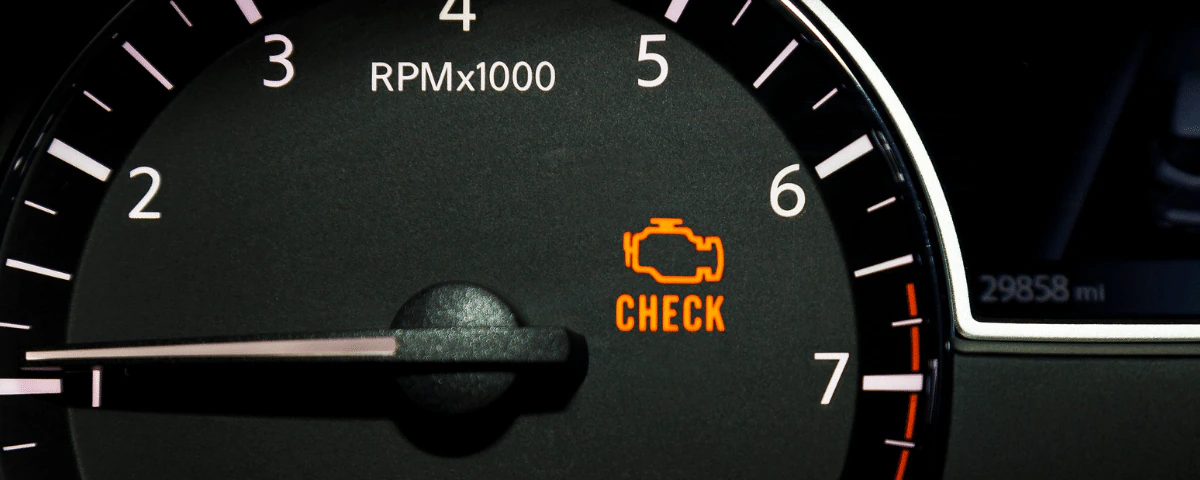
Always request a state-of-health report for PHEVs before purchase; annual SOH checks protect you from hidden cell imbalance and capacity loss.
Common faults and what to watch for
Shared L460 issues include software glitches and 12V battery drain; a resting 12V voltage below 12.2V often produces spurious warnings on both MHEV and PHEV cars. Specific MHEV faults can include 48V starter-generator failures, which are rare but costly to replace.
PHEV-specific problems: charging-port communication errors with cheap chargers, HV cell imbalance warnings and occasional EV-mode failures if the battery SOH drops. Avoid long-term storage at low state-of-charge; an HV pack left near 0% for months risks accelerated degradation.
Practical pre-purchase checks
On used PHEVs insist on a battery SOH report showing capacity percentage and cell balance, plus a full service history. For MHEVs verify 48V and 12V voltages, and request any stored fault codes such as UXXXX entries from the vehicle diagnostic log.
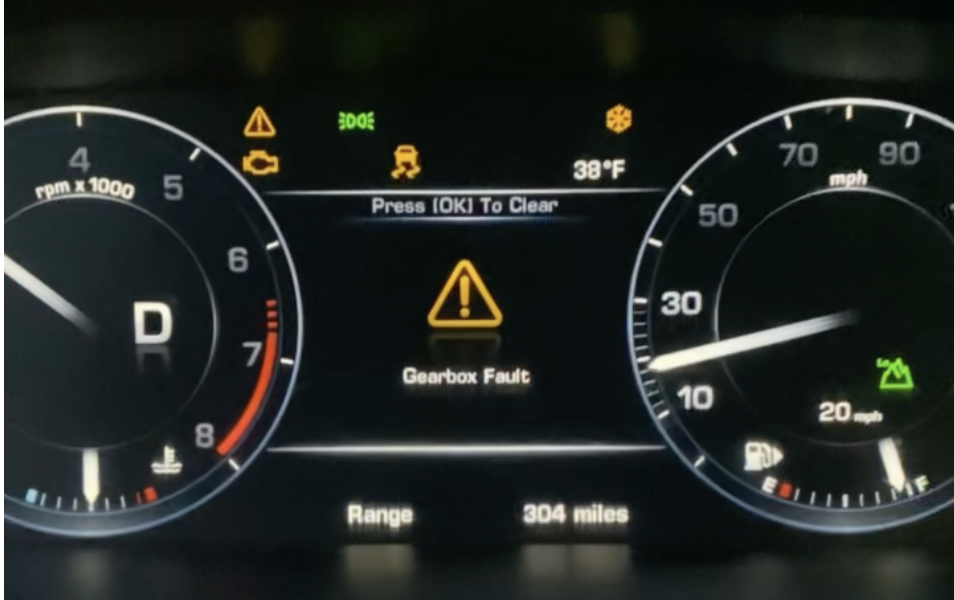
Which to buy: clear rules based on use
If you can plug in at home and your daily mileage is within 70 miles round trip: choose a P440e or P510e to maximise electric driving and cut running costs. Track the EV range each trip and aim to charge nightly; well-charged PHEVs deliver the lowest everyday energy cost.
If you cannot reliably charge at home, or you do long A-road and motorway journeys frequently: buy the D350 MHEV diesel for superior long-distance economy of 30–38 mpg and lower weight-related wear when towing. For mixed-use buyers a P400 petrol MHEV is a compromise, returning roughly 24–30 mpg.
Towing and payload considerations
If you tow often note the PHEV’s added battery weight reduces usable payload and towing range; consult the towing plate for exact Gross Train Weight and adhere to published tow limits for P440e/P510e.

A healthy 12V battery (resting above 12.2V) prevents many spurious warnings on both MHEV and PHEV L460s.
Maintaining PHEVs to avoid EV-system problems
Key practices: charge regularly, accept OTA software updates, avoid charging to 100% unless needed and schedule an annual high-voltage battery health check showing SOH and cell balance. Use JLR-tested home or public chargers to reduce inlet communication errors.
Keep the 12V battery in top condition; a weak 12V (resting 12.2V or lower) can prevent HV systems from booting correctly and produce faults. Annual checks and documented diagnostics on invoices help preserve warranty traceability for HV components.
When to contact a specialist
Call a hybrid-capable independent specialist if you see HV-specific warnings, repeated charging inlet errors, or a sudden drop in EV range. We offer pre-purchase HV reports and annual SOH monitoring with full diagnostic printouts.
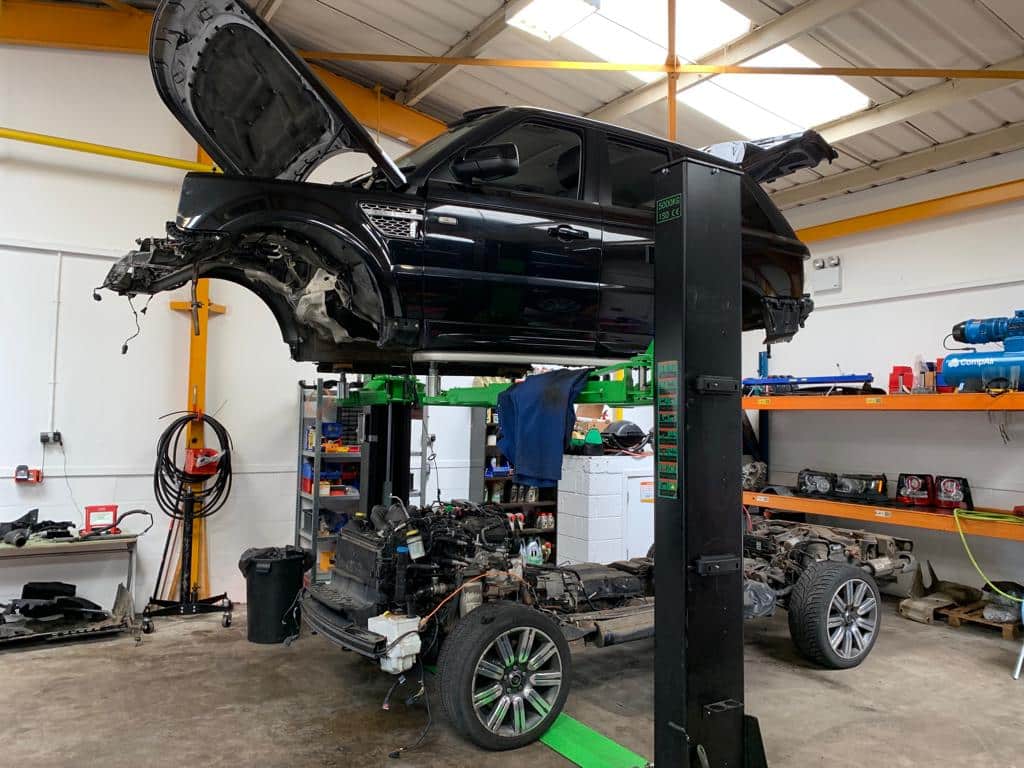
At-a-glance: L460 MHEV vs PHEV
| Variant | EV Range | Typical real-world mpg / equivalent |
|---|---|---|
| D350 MHEV (diesel) | None (48V assist only) | 30–38 mpg on mixed A-road/motorway |
| P400 MHEV (petrol) | None (48V assist only) | 24–30 mpg mixed use |
| P440e / P510e PHEV | Up to ~70 miles (38.2 kWh pack) | 60+ mpg equivalent on short EV trips; 25–30 mpg when battery depleted |
Frequently Asked Questions
What’s the actual difference between L460 MHEV and PHEV?
Is the PHEV safe and practical for typical UK use?
How much do L460 MHEV and PHEV variants cost to run?
What are the most common faults on L460 MHEV vs PHEV variants?
Should I buy MHEV or PHEV used?
Final Thoughts
Choose the L460 that matches your life. If nightly charging is realistic and you value silent, electric town trips, the P440e/P510e repays its added weight with low running costs and up to around 70 miles of EV range. If your use is heavy on A-roads and motorways with limited charging access, the D350 MHEV remains the practical, efficient choice. Get the right checks done and you will enjoy the L460 for years.
Book a pre-purchase or servicing check
Want a high-voltage battery SOH report, 48V system check or a full pre-purchase inspection for your L460? Call 01786 625624 or visit https://4×4-specialists.com/land-rover-ev-repair-specialist/ to arrange a check at our Alva workshop, FK12 5DQ. We provide diagnostic printouts and documented HV procedures for warranty traceability.
Sources
- 4X4 Specialist Land Rover EV and hybrid repair service – Details of high-voltage battery health checks, diagnostics and hybrid services.