
Related on 4X4 Specialist
- ‘No Fault Found’ at the Dealer – What to Do When Your Range Rover Still Has a Problem
- All-Terrain Tyres on a Range Rover – What You Gain & What You Give Up
- Read: Best Tyres for a Range Rover – Michelin vs Pirelli vs Continental Compared
→ Range Rover & Land Rover diagnostics · Browse our full Land Rover & Range Rover knowledge base
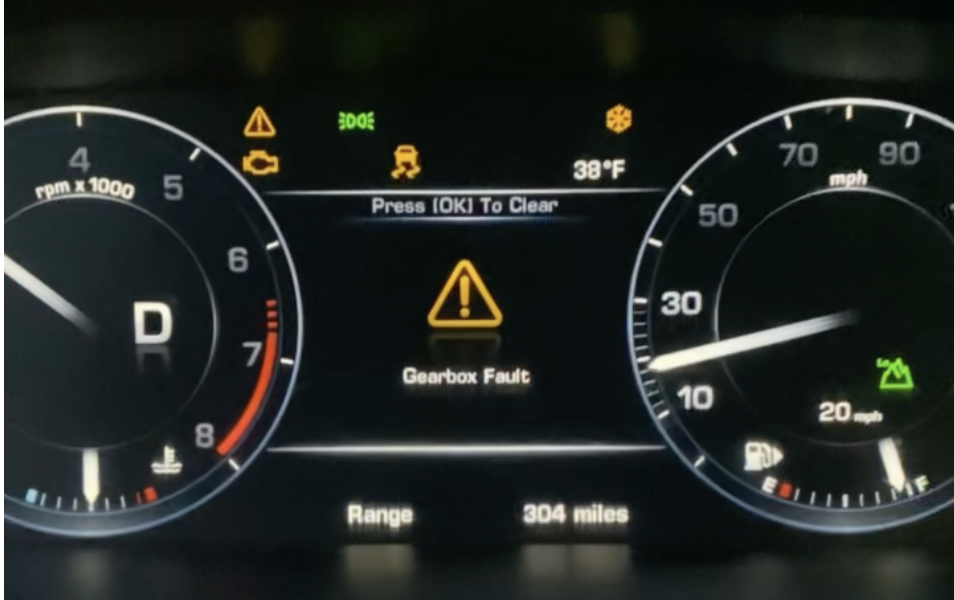
Range Rover Electrical Gremlins, Why They Are So Hard to Diagnose
You open the door, the dash lights dance, the infotainment freezes, then everything works again five minutes later. That disappearing fault is the classic symptom of range rover electrical gremlins. Modern Range Rovers use more than 80 electronic control modules across multiple CAN bus networks, so a single weak connection or low 12V can ripple into dozens of symptoms. Read on for concise, hands-on checks you can do and the proper diagnostic steps that actually catch intermittent problems.
Why complexity breeds gremlins
Short answer: too many modules and too many networks. Newer Range Rovers, from L322 through L405 and L460, commonly have 80+ ECUs handling engine, transmission, air suspension, infotainment and MHEV systems; they communicate over at least two CAN buses and LIN lines.
Practical check you can do: note whether faults appear after start-up or while driving. A weak resting voltage under 12.6V or a drop during cranking often correlates with multiple phantom warnings. If you own an L322 with aging air suspension, watch for sporadic ‘compressor fault’ messages around 80,000 miles.

How the CAN bus creates cascading failures
Short answer: one misbehaving module can flood the bus and upset others. If an air suspension module or infotainment ECU starts repeating bad frames, modules on the same CAN network can log errors or go to limp mode.
Detailed check: capture CAN traffic with a scope or bus monitor and look for repeated error frames, a single node sending frequent retransmits, or voltage noise on the low-speed bus used by door modules on L320/ L405. This requires a data logger left on the car during the fault window to be conclusive.
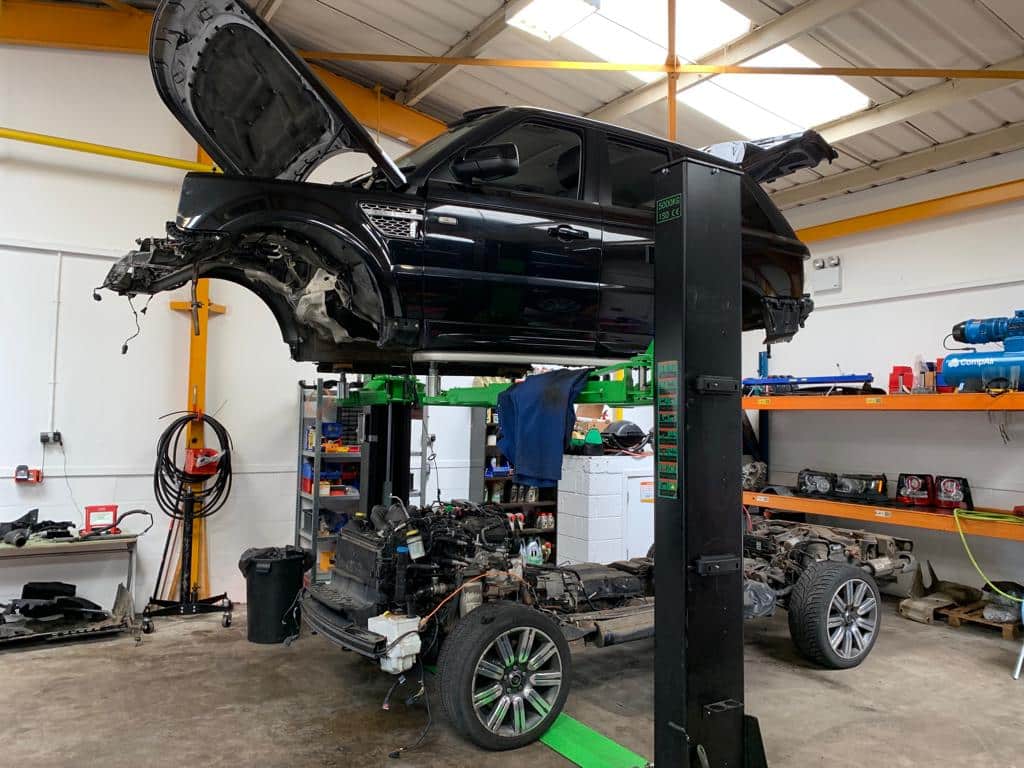

A healthy 12V at 12.6V or above and a proper CCA-capacity test eliminate the single most common cause of cascading module errors.
Corroded connectors and loose fuse tabs, the silent culprits
Short answer: corrosion and loose fuse tabs in engine-bay fuse boxes and door harness plugs are common roots of range rover electrical faults. Corrosion on a single ground or a damaged fuse clip can produce random symptoms across unrelated systems.
Practical inspection: check the engine bay fuse box tabs for green or white oxide and wiggle fuses while the car is running to see if a fault reappears; inspect door connector pins for rust behind the door seal on L322 and L405 models. Clean with contact cleaner, retighten clips, and replace brittle harness sections rather than guessing with parts swaps.
When a fuse tab repair is the right call
If you find a loose fuse tab or melted plastic, replace the fuse carrier or the whole fuse box; on many Range Rover models the labour to replace a PDC fuse box is around 2.0 to 3.0 hours and part replacement avoids recurring problems from poor contacts.


Weak 12V batteries and voltage dips
Short answer: a battery that reads below 12.6V at rest or has low CCA can crash modules during start-up and leave them in strange states, producing multiple phantom warnings on L405 and MHEV models.
Owner checks: measure resting voltage with a multimeter, expect at least 12.6V. Ask for a CCA-capacity test or a battery load test; many failures come from a battery that ‘starts the car but dips under load’. On MHEV cars, avoid repeated battery disconnects because modules lose adaptations and infotainment may lock out.
Corroded grounds and brittle fuse carriers in the engine bay or doors are low-cost fixes that stop recurring phantom warnings.
Water ingress, sensors and progressive corrosion
Short answer: water through sunroof drains, worn door seals or hatch seals reaches ECU connectors in door sills and under rear seats, causing progressive corrosion that starts intermittent and worsens over months or years.
Practical inspection: lift the door carpets on L322/L405 to check the rear ECU location under the floor, probe sunroof drain outlets for blockages, and inspect the boot floor for damp. Sensors that show odd live readings, such as wheel speed or height sensors, are often victims of connector corrosion rather than the sensor itself.


Why dealers often say ‘no fault found’ and the right diagnostic approach
Short answer: intermittent faults need time and the correct tools. If a dealer scans with a handheld and no code is present, a pressured workshop will mark it as no fault found; intermittent gremlins rarely appear during a 20-minute check.
What a specialist does differently: use full JLR-level scanning to capture stored and pending faults, perform battery load tests, monitor CAN bus voltages and waveforms, and leave the car with a data logger or module wake-up routine. A patient diagnostic sequence that includes multi-day logging and targeted module isolation is how you catch a range rover intermittent fault.

Intermittent range rover electrical gremlins need logging and CAN-bus analysis; avoid guessing with parts swaps.
Owner checks you can do before booking a specialist
Quick checklist: verify resting battery voltage at 12.6V with a multimeter, inspect engine-bay fuse box for loose fuse tabs, and check door seals and sunroof drain outlets for obvious water ingress. These simple checks cover the three most common roots of range rover electrical gremlins.
If you find a loose fuse clip, a corroded ground, or repeated infotainment reboots, note the conditions when it happens: ignition on, after rain, during motorway cruise, or immediately after start. Record mileage and times; that evidence reduces diagnostic time because technicians can reproduce or log the fault more efficiently.

Quick fault-cause checklist
| Root Cause | Typical Symptom | DIY Check |
|---|---|---|
| Weak 12V battery | Multiple modules crash at start, phantom warnings | Measure resting voltage 12.6V+, request a load/CCA test |
| Corroded connector / loose fuse tab | Random single-system failures, intermittent reboots | Inspect fuse box, wiggle fuses while engine running |
| Water ingress | Door sensors, rear ECU faults, progressive failures | Check sunroof drains, door seals, boot floor for damp |
| CAN bus noise or misbehaving module | Multiple unrelated warnings, modules greyed out | Require data logger or bus scope to capture error frames |
Frequently Asked Questions
Why do Range Rovers get so many electrical faults?
What are the most common Range Rover electrical gremlins?
Why does the dealer often fail to find my Range Rover’s electrical fault?
Can a weak battery cause Range Rover electrical gremlins?
How do you diagnose intermittent electrical faults on a Range Rover?
Are Range Rover electrical gremlins caused by water ingress?
Should I disconnect the battery to reset Range Rover electrical faults?
Where can I get Range Rover electrical gremlins properly diagnosed?
Final Thoughts
Range rover electrical gremlins reward methodical work: start with battery and connectors, then move to bus monitoring and patient logging. Fix the root cause, not the symptom, and you stop faults returning.
Book a specialist electrical diagnostic
If your Range Rover is throwing intermittent warnings or unexplained reboots, bring it to a specialist who will log, monitor and repair the real cause; we use JLR-level tools and multi-day logging to hunt down the gremlin. Call 4X4 Specialist at 01786 625624 or visit our workshop at Alva Industrial Estate, FK12 5DQ.
Sources
- Atlantic Car Care Online – General faults overview
- EMC NV electrical tips – Electrical troubleshooting guidance
- FullFatRR forum discussion – Owner reports and fault patterns
- Land Rover Forums – Community experiences
- LandyZone discussion thread – Practical owner fixes and tips