
Related on 4X4 Specialist
- All-Terrain Tyres on a Range Rover – What You Gain & What You Give Up
- How Long Should Range Rover Tyres Last? – What’s Normal & What’s Not
- Read: Run-Flat Tyres on a Range Rover – Are They Worth It or Should You Switch?
→ Range Rover & Land Rover diagnostics · Browse our full Land Rover & Range Rover knowledge base

Best Tyres for a Range Rover: Michelin vs Pirelli vs Continental Compared
You need tyres that carry 2.5-tonne kerb weights, preserve adaptive suspension behaviour, and stop quickly in Scottish rain. Choosing the best tyres range rover michelin pirelli continental comes down to load rating, OE approvals and what you ride most: motorways, wet A-roads, or tracks. Read the short, practical comparisons and follow the post-fit checks so your Range Rover keeps the factory feel.
Short answer: which brand to choose
Pick Michelin for longest wear and best wet braking, Pirelli for the most factory-like, refined ride on OE-fitted Sport models, and Continental for the best premium value with strong all-weather grip.
Aim for tyres with a load index of 109 or above on full-size Range Rovers, speed rating V or W depending on your top speed, and expect premium tyres to retail roughly £150 to £320 per tyre depending on wheel diameter and load specification.

What to prioritise for a Range Rover
Load rating, rolling radius and OE markings matter more than tread pattern alone; choose tyres with a load index of 109 to 118 depending on model and wheel size, and verify the speed rating matches the vehicle’s spec.
Check the sidewall for Land Rover approvals like LR or AO; tyres without these may change NVH and ADAS behaviour enough to trigger fault codes, so plan a post-fit check and TPMS reset after replacement.


If your car left the factory on Pirelli or Michelin, matching that brand and OE marking keeps NVH and ADAS behaviour closest to factory settings.
Michelin: longevity and wet braking
Key picks: Pilot Sport 4 SUV and Latitude Sport range; these are favoured for wet braking and long tread life, making them strong choices on large L405 and L494 models fitted with 20 to 22 inch wheels.
Practical detail: expect Michelin-fit tyres to tolerate rotation intervals of 6,000 to 8,000 miles, deliver competitive rolling resistance for better economy, and perform well on wet A9-style conditions when tyres are above 4mm tread depth.


Pirelli: factory feel and refinement
Key picks: Scorpion Verde All Season and P Zero; Pirelli is commonly OE on performance Range Rovers where matching NVH and steering feedback matters, especially on Sport and high-spec Velar with 20 to 22 inch wheels.
Practical detail: Pirelli tyres deliver a planted feel at speed and low cabin noise, they suit owners who prioritise close-to-factory ride quality; expect real-world replacement costs similar to Michelin in popular sizes.


Always fit tyres with an equal or higher load index than the door placard and confirm rolling radius after any size change to prevent EAS/ABS faults.
Continental: comfort and all-weather value
Key picks: CrossContact and PremiumContact ranges; Continental offers strong wet grip and ride comfort, and its CrossContact variants cover light all-terrain use if you need a compromise between on-road manners and gravel capability.
Practical detail: Continental tends to be competitively priced in the premium tier, and on common sizes such as 255/55 R19 or 275/45 R21 it is a practical choice for owners prioritising comfort on Scottish roads.

Direct head-to-head comparison
Wet braking: Michelin generally leads for shortest stopping distance when tyres are above 4mm tread; Continental is a close second, Pirelli follows closely on performance compounds.
Dry handling and high-speed stability: Pirelli and Michelin trade blows; Pirelli can feel slightly more refined on Sport chassis, Michelin often gives more consistent lap-to-lap feel; noise and comfort favour Continental then Pirelli, Michelin last in comfort on equivalent performance models.
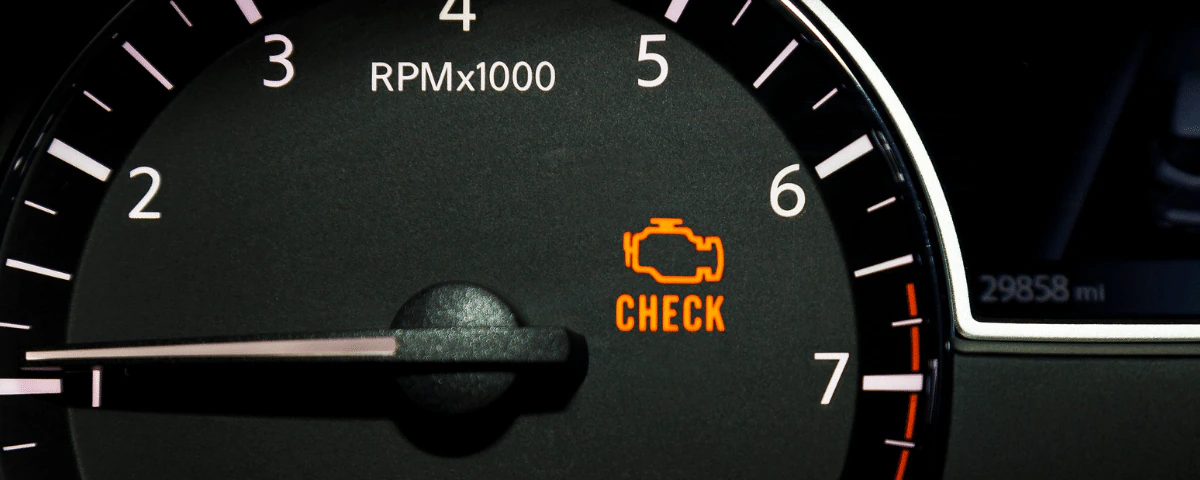
Reset TPMS and run a rolling-radius and ADAS check after fitting new tyres to avoid warning lights and drivetrain wear.
Post-fit checks and common mistakes
Short checklist after fitting tyres: reset TPMS, confirm rolling radius with a diagnostic unit, and ensure all four tyres are the same brand and pattern to avoid drivetrain stress; a tread-depth discrepancy over 3mm across axles can overload AWD components.
If you want a post-fit diagnostic check we run rolling-radius and ADAS verifications; book a post-fit diagnostic check at our Range Rover diagnostics service so TPMS, EAS and ABS see the new tyre parameters correctly.
Common mistakes to avoid
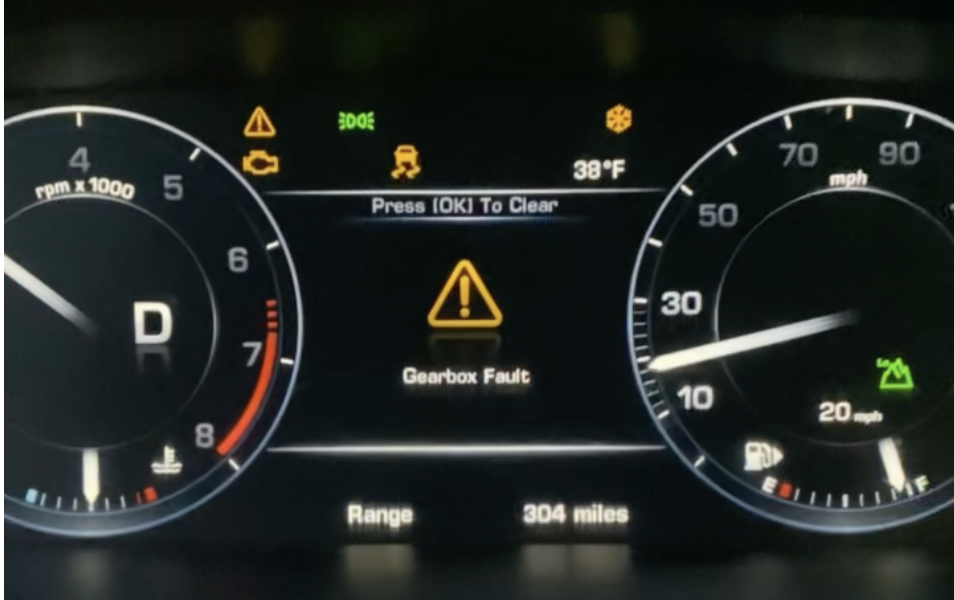
Do not mix summer and all-season tyres on the same vehicle; do not fit a tyre with a lower load index than the door placard; and avoid single-axle brand swaps, which cause uneven grip and may trigger fault codes such as C1A8 or C1AE on some models.
Model-specific recommendations
Range Rover Sport and L460 owners: favour Michelin Pilot Sport 4 SUV or Pirelli P Zero in 275/40 R21 or larger for high-speed stability and OE-like steering feel.
Defender and Discovery owners: if you regularly go off-road choose all-terrain CrossContact ATR or BFGoodrich KO2 in 255/65 R18 or 265/60 R18; Evoque and Velar prioritise quiet, comfort-biased tyres in 235/60 R18 or 255/45 R20.

Maintenance to get the most from premium tyres
Routine maintenance: check pressures monthly at manufacturer-specified levels, typically 30 to 36 psi depending on wheel size and load; rotate tyres every 6,000 to 8,000 miles and balance wheels annually or whenever vibration appears at speed.
Replacement trigger: on AWD Range Rovers replace all four tyres if one falls to 3mm while others are significantly higher, otherwise match brand and tread pattern to within 0.5mm to prevent transfer-case wear and handling imbalance.
Quick comparison: Michelin vs Pirelli vs Continental
| Criterion | Michelin | Pirelli | Continental |
|---|---|---|---|
| Wet braking | Excellent, especially Pilot Sport 4 SUV | Very good on performance tyres | Strong, good on PremiumContact |
| Ride & refinement | Good, slightly firmer on performance fits | Excellent, very refined on OE-spec tyres | Very good, comfort-biased |
| Wear life | Best of the three in many sizes | Good, varies with compound | Good, value for money |
| Noise | Moderate on performance sizes | Low to moderate | Low, comfort-oriented |
| Typical cost | £170-£320 per tyre | £160-£320 per tyre | £140-£260 per tyre |
Frequently Asked Questions
Which premium tyre brand is best for a Range Rover?
How do I tell which brand was originally fitted from new?
How much do premium tyres cost compared with budget brands?
What are the most common tyre-choice mistakes on Range Rovers?
Can I prevent tyre-related ESP, EAS or TPMS faults by choosing the right brand?
Final Thoughts
Choose tyres to match how you use the car: Michelin for longevity and wet braking, Pirelli for the most factory-like refinement, and Continental for comfort and value. Prioritise load index, OE markings and post-fit checks so your Range Rover keeps its handling and safety intact.
Need help choosing or calibrating tyres?
Call 01786 625624 or bring your Range Rover to our workshop at Alva Industrial Estate, FK12 5DQ. We advise on the right brand and spec for your model, then reset TPMS and verify rolling radius to keep ADAS and EAS happy.
Sources
- Discounted Wheel Warehouse tyre comparison – Brand-to-brand tyre feature comparison and buyer guidance.
- Performance Plus tyre brand guide – Overview of strengths across major tyre manufacturers.
- Tyroola tyre comparison notes – Feature-level comparisons for Pirelli and Continental products.
- Forum discussions on OE choices – Owner experiences comparing OE Michelin, Continental and Pirelli fits.