
Related on 4X4 Specialist
- All-Terrain Tyres on a Range Rover – What You Gain & What You Give Up
- Best Tyres for a Range Rover – Michelin vs Pirelli vs Continental Compared
- How Long Should Range Rover Tyres Last? – What’s Normal & What’s Not
→ Range Rover & Land Rover diagnostics · Browse our full Land Rover & Range Rover knowledge base
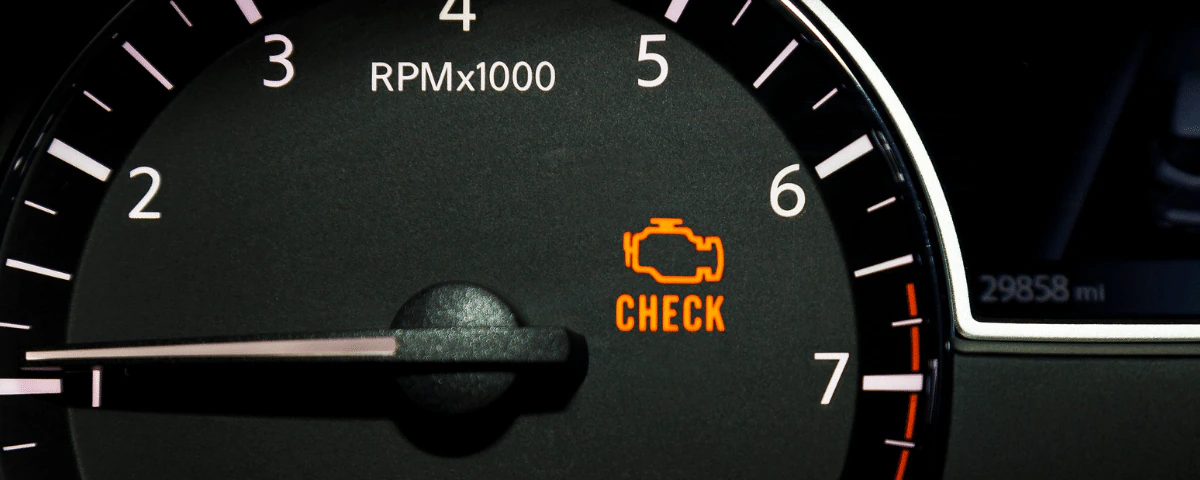
No Fault Found at the Dealer: What to Do When Your Range Rover Still Has a Problem
You pull into the dealer, describe a worrying shudder or a sudden loss of power, and they return the keys with a shrug: no fault found. That moment is frustrating, but it does not mean your Range Rover is fine. Intermittent electrical and software issues commonly vanish during a short dealer scan; patient, methodical work catches them. This guide tells you exactly what to do next, how to gather useful evidence, and when a second opinion is the fastest route to a real fix.
Understanding ‘No Fault Found’ in your Range Rover
Short answer: ‘range rover no fault found dealer’ usually means the symptom did not occur while the technician performed a standard OBD-II scan, so no active DTCs were present. Detailed explanation: JLR vehicles record pending codes, freeze-frame data and module-level histories like Mode 06, but these are not always extracted in a routine 20–30 minute dealer check.
Practical checks you can do: note exact mileage, engine hours when the fault occurs, and whether the ignition was on accessory or run. If the issue happens after long motorway runs or when temperature reaches a certain level, write that down; these specifics help turn an invisible fault into a reproducible one.

Why dealer scans sometimes miss the problem
Dealers commonly perform an OBD-II passive scan for active codes, which misses pending codes, Mode 06 monitor results and module-specific histories stored in body, infotainment or gateway modules. Many technicians will not leave the car connected for extended live-parameter logging under load.
Practical detail: a typical dealer booking is a 30-minute labour slot; that is rarely enough time to road-test under the precise conditions that trigger an intermittent fault. If your symptom requires sustained load, repeated turns or a warm engine, it can easily vanish during a short inspection.


Exact times, temperatures, speeds and short videos convert vague complaints into reproducible diagnostics.
Common causes of intermittent faults dealers miss
Electrical: low battery voltage or poor earths create transient errors that clear once the vehicle is on a charger or in the workshop. If your battery drops below about 12.0V at rest, electronics can behave erratically; have the battery tested and bring the resting voltage reading to the next appointment.
Aftermarket kit: towbar electrics, alarm systems or non-OEM audio units often introduce wiring faults or CAN-bus noise. If you have a fitted towbar or aftermarket head unit, note the part or installer; these are common causes when the dealer missed fault range rover.

Documenting the symptom so a technician can reproduce it
Short checklist: record ambient temperature, engine coolant temperature, speed, road type, gear selection, exact time of day and what you were doing (braking, accelerating, towing). Note how often it happens, for example ‘once every 3 drives’ or ‘after 20–30 minutes on the motorway’.
Video is gold: use your phone to capture dash behaviour, warning lights, indicator changes or audible clicks. Even a 30-second clip with the speed, revs and visible warning lights makes reproduction far quicker and prevents a cursory ‘no fault found’ stamp.

Intermittent faults need extended logging, Mode 06 extraction and road-testing under the conditions that trigger the issue.
What a specialist does differently (and why a second opinion helps)
Short answer: specialists spend time, not just a scan. They extract Mode 06 results, module histories, live CAN parameters and may leave the vehicle with logging tools attached for hours or days. Detailed explanation: patient monitoring often reproduces the fault; technicians then correlate the captured live data with the symptom to identify failing sensors, intermittent connectors or software glitches.
If you want a second opinion, bring the dealer paperwork and your evidence. Our advanced diagnostics service uses extended live logging and module-level downloads; see our advanced diagnostics service for what we monitor and how we report findings back to you.
When a specialist will use a data logger
We fit a CAN-bus logger that captures up to 72 hours of continuous data at 10Hz for critical channels like engine torque request, throttle position, ABS wheel speeds and gateway error flags. That file is time-stamped and correlated with any video you provide.
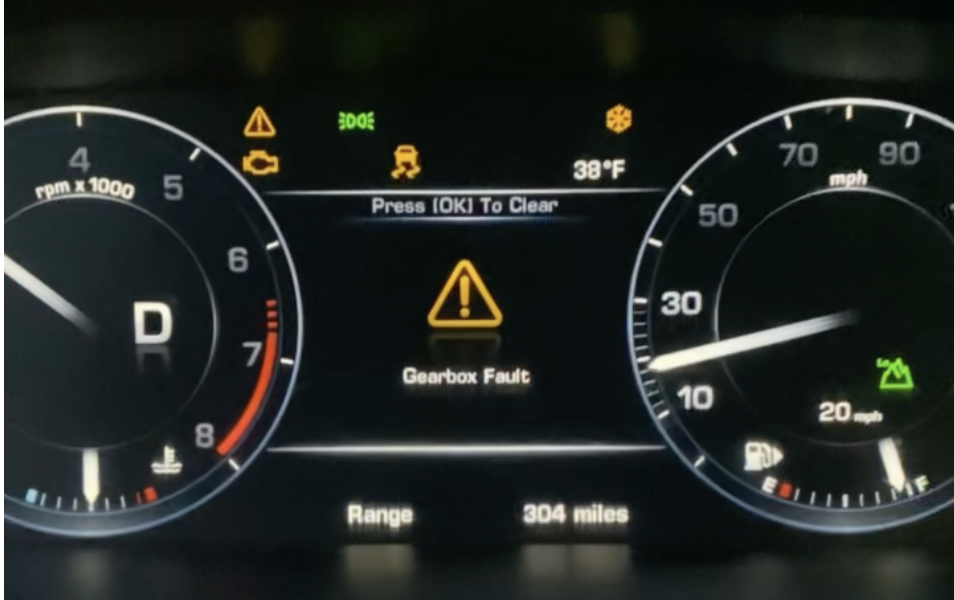

Escalating the issue: paperwork, VIN and manufacturer complaints
Keep every paper and printout: the dealer’s job sheet, any fault codes they recorded, parts changed and dates. When you escalate to the manufacturer you will need the VIN, a clear symptom timeline and a record of repair attempts; that hard evidence makes it far harder for a dealer to dismiss your complaint.
If you intend to pursue a case under warranty or consumer protection, note the dates and frequency of the fault. Simple facts like ‘fault began at 42,300 miles, occurred 6 times over 3 months, visible in video on 12/03/26’ are persuasive and actionable.

If the dealer dismisses you, use the VIN and repair records to escalate to the manufacturer or seek a specialist second opinion.
Safety-first: when ‘no fault found’ isn’t acceptable
If you experience sudden loss of drive, steering failure, or intermittent braking issues, do not continue to drive the vehicle even if the dealer returned it as ‘no fault found’. These are safety-critical failures that need immediate attended inspection and, if necessary, the vehicle immobilised until a proper fix is made.
Practical step: note the fault pattern and if possible get the vehicle towed to a specialist or back to the dealer under complaint. Safety issues trump booking times and diagnostics economics; insist on a thorough live-data capture and a signed statement of the dealer’s inspection results.
Dealer vs Specialist Diagnostic Approaches
| Step | Typical Dealer | Specialist |
|---|---|---|
| Initial scan | Quick OBD-II read for active codes | Full module extract including Mode 06 and pending codes |
| Time spent | 30 minutes typical | Hours to days depending on symptom |
| Live logging | Rarely retained | Data logger captures 24–72 hours if needed |
| Aftermarket checks | Sometimes overlooked | Systematic check of towbar, audio, trackers and grounds |
Frequently Asked Questions
Why do dealers say ‘no fault found’ when there’s clearly a problem?
Should I trust ‘no fault found’ if my Range Rover is still doing the same thing?
What can I do to help diagnose an intermittent fault on my Range Rover?
How do specialists find faults that dealers miss?
What should I bring for a second-opinion diagnosis?
Final Thoughts
A ‘no fault found’ from a dealer is frustrating but not the end of the road. With clear documentation, a short video and a specialist who uses extended logging and module extracts, most intermittent Range Rover faults can be captured and fixed. Be persistent, keep your paperwork, and prioritise safety if the symptom affects driveability.
Get a second opinion and real diagnostics
Call 01786 625624 to book a diagnostic slot; we are at Alva Industrial Estate, FK12 5DQ, about 30 minutes from Stirling, Falkirk and Perth. Bring your dealer paperwork and any videos. Honest, methodical fault-finding is what we do.
Sources
- SevenLaw guide on dealer repairs – Legal options if a dealer refuses to fix a warranty issue.
- Autotrader on responsibility for defects after purchase – Consumer rights and dealer responsibilities explained.
- New York Attorney General used car publication – Overview of used-car consumer protections.