
Related on 4X4 Specialist
- Range Rover L460 MHEV vs PHEV – Which Should You Buy?
- Charging System Fault on Range Rover MHEV – What Does It Mean?
- Read: DC-DC Converter Failure on Land Rover MHEV – Symptoms Before It Dies Completely
→ Land Rover EV/PHEV/MHEV repair · Browse our full Land Rover & Range Rover knowledge base

MHEV vs PHEV Repairs for Land Rover, What’s Different and Why You Need a Specialist
You park your Defender or Range Rover, press the button and there is silence; the hybrid systems have gone to work. The repair reality is simple: a Land Rover MHEV with a 48V belt-driven starter generator needs different diagnostics and safety routines to a Range Rover PHEV with a 400V+ battery. Read on for clear, practical checks you can do, why a hybrid-trained technician matters, and what to ask before you hand over the keys.
Short answer: how mhev vs phev repairs land rover differ
Short answer first, MHEV is a 48V assist system with a belt-driven starter generator or BSG on Ingenium engines; PHEV has a 400V+ high-voltage battery and inverter that allows 25–30 miles of EV-only driving on models such as P400e and P440e.
Detailed bit: MHEV faults typically live in the BSG, 48V wiring and DC-DC converter; PHEV faults often involve the on-board charger, isolation circuits, HV battery modules and the inverter. For owners the practical difference is safety, tooling and diagnostic access; PHEV repairs require high-voltage isolation procedures and MHEV work needs 48V-aware tools beyond a basic OBD-II reader.
Quick owner checks
If you see hybrid warning lights or limp mode, check the 12V AGM first; swap an AGM at around 4 years or sooner if voltage is low, because both MHEV and PHEV architectures rely on the 12V to boot safety systems.
If charging fails on a PHEV, verify the charge cable and external supply before calling a specialist; intermittent charge from public chargers often shows up as on-board charger faults rather than full pack failure.

Voltage and safety, why numbers matter
MHEV runs at 48 volts; below the legal high-voltage threshold but still capable of arc damage and component destruction if shorted. PHEV systems operate at 400V or higher, with lethal shock and arc risks if handled incorrectly.
Practical safety rule: anyone working on a PHEV must use insulated tools, follow isolation procedures and be IMI EV Level 3 qualified or equivalent; for MHEV, technicians still need training in 48V wiring and to avoid conventional 12V assumptions.
What that looks like in a workshop
Isolation includes removing HV interlocks, verifying voltage is zero with calibrated meters, and using insulated gloves and mats. For PHEV models such as the Range Rover L460 P440e or P510e, technicians also verify the HV battery is discharged to a safe state before any component removal.
On MHEV Defender or Discovery fitted with Ingenium diesels, techs protect the BSG belt area and disconnect the 48V trunk before attempting starter or accessory work, because a 48V short can blow the DC-DC converter.


MHEV is a 48V assist system with BSG; PHEV is a 400V+ high-voltage system with on-board charger and inverter. The repairs and safety protocols differ significantly.
Common MHEV faults, checks you can do first
Short answer: BSG noise or failure, DC-DC converter faults and 12V AGM drain top the list on MHEV models like Defender L663 and Discovery 5.
Checks: listen for a whining noise from the belt area at idle, scan for codes that mention 48V or BSG, and measure the 12V battery resting voltage; anything below 12.4V on a standing AGM suggests replacement. Replacement interval for the 12V AGM is typically every 4 years for trouble-free operation.
When it is more than a battery
If the BSG fails you may see codes for P1604x or system limp mode; that requires a BSG-specific diagnostic session with JLR-level tools to check rotor position, stator health and torque calibration.
A DC-DC converter fault often presents as a ‘charging system fault’ message while the alternator and BSG may appear serviceable; that module sits between the 48V and 12V systems and must be bench-tested on regulated test gear.


Common PHEV faults, what to expect and safety-first checks
Short answer: charge port faults, on-board charger failures, isolation warnings and individual HV module degradation are the usual culprits on Range Rover PHEVs such as P400e, P440e and P510e.
Checks you can do safely: inspect the charge inlet for corrosion or debris, confirm the vehicle accepts charge on a known-good domestic charger at 10–16A, and record any isolation or ‘HV system’ warnings on the instrument cluster before moving the vehicle to a high-voltage-capable workshop.
When to stop and call a specialist
If you see an isolation fault or a persistent HV warning, stop charging and call a certified technician; these faults require HV isolation equipment and module-level testing to avoid pack damage.
Cooling circuit faults for the HV battery and charger also need specialist tools; a seized chiller pump or clogged radiator can reduce pack life and should be attended to by HV-qualified technicians.


A tired 12V AGM causes many hybrid faults. Replace at 4 years and use a smart charger for short-trip cars.
Tools, software and training every workshop needs
Specialist tooling includes calibrated high-voltage meters, insulated hand tools, HV isolation gear and 48V-capable test rigs; software-level access needs JLR Pathfinder or equivalent to read hybrid-specific fault trees and serial data on BSG, inverter and battery modules.
Training: IMI EV Level 3 for HV work is the baseline, with additional manufacturer courses for JLR systems; without these a workshop risks wrong diagnoses, destroyed components and safety incidents.
Why dealer tools matter
JLR-specific software interprets codes like P1A2F (battery isolation) and shows module temperatures, individual cell voltages and state-of-charge per string; ordinary OBD readers will only show generic hytrex-style faults that lead to guesswork.
Independent specialists invest in Pathfinder and HV-safe tooling so we can offer module repair rather than full-pack replacement, often saving you thousands compared with dealer full-pack pricing.

Why a general garage can make a small fault very expensive
A general garage may disconnect the wrong connector, short a 48V supply or attempt repairs without isolation, causing inverter, BSG or DC-DC converter destruction; those modules can cost thousands to replace and may not be covered under simple labour warranties.
Practical example: a flat 12V AGM left unrecognised can produce hybrid safety warnings that lead a technician to replace HV modules unnecessarily; swapping the 12V AGM first, as a £120–£250 job depending on battery brand, often solves the symptom and avoids costly module work.
What to ask before you hand over the keys
Confirm the garage has IMI EV Level 3-trained staff for PHEV work and 48V-aware procedures for MHEV; ask if they use Pathfinder or JLR-level diagnostics and whether they carry HV isolation kit.
If a garage cannot show training certificates or specialist tooling, request they refer you to an HV-qualified workshop rather than attempt risky work on your PHEV or MHEV.
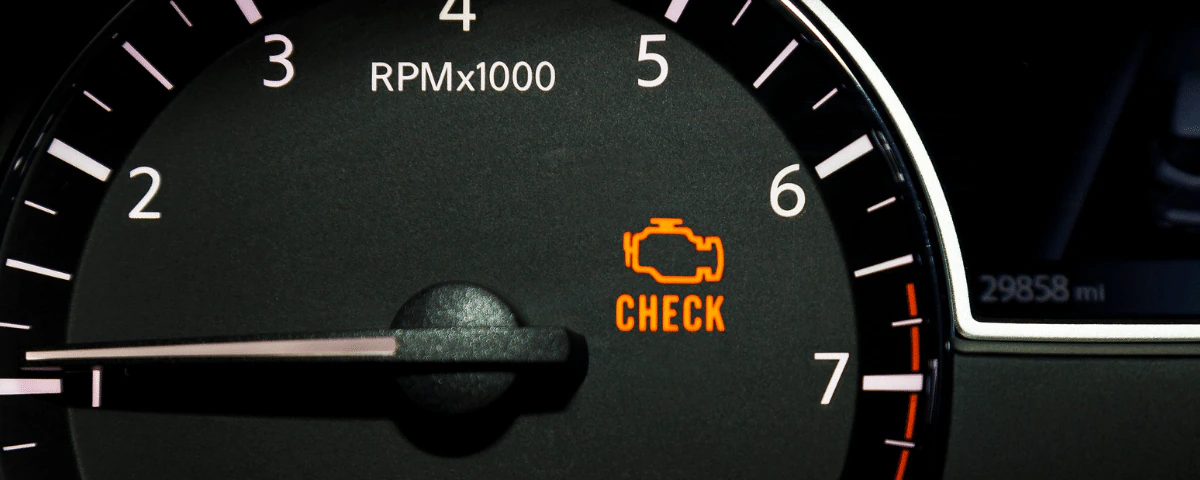

For PHEV work insist on IMI EV Level 3 training, HV isolation kit and JLR Pathfinder access to avoid accidental damage and wasted costs.
Maintenance and owner tips to avoid hybrid bills
Routine steps save money: replace the 12V AGM at around 4 years, use a smart charger if you do many short trips, and follow scheduled HV cooling circuit checks on PHEVs to protect battery lifespan.
For PHEV daily use charge to 80% rather than 100% for longevity, avoid leaving the vehicle at 100% state-of-charge for weeks and try to keep the pack between 20% and 80% for storage periods.
Simple checks before a workshop visit
Note any recent charging behaviour, the make and type of public charger used, and capture screenshots of warning messages on the dash; these details cut diagnostic time because technicians can see if the issue is a charger handshake or a true HV fault.
Keep service history for HV cooling and inverter work; if you have a Range Rover Velar L560 PHEV, note the last HV coolant change and any thermal events, as that narrows diagnostics quickly.
Specialist help, models covered and warranty notes
We cover the full JLR hybrid range: Range Rover L405/L460 P400e, P440e, P510e; Range Rover Sport L494/L461 PHEVs and MHEVs; Velar L560 and Evoque L551 P300e and MHEV; Defender L663 and Discovery 5 MHEV. HV battery warranty is typically 8 years on most JLR PHEVs for the full pack.
Want specialist diagnostics or a module-level repair instead of a full-pack swap? Find details on our Land Rover EV and hybrid repair specialist page, it explains the IMI Level 3 procedures we follow and the JLR Pathfinder access we use.
Warranty and independent repairs
Using an independent qualified EV specialist does not void warranty under UK Block Exemption rules; HV battery full-pack replacements remain a manufacturer warranty item for the warranty period, while other hybrid repairs and diagnostics can be done independently with warranty protection intact.
If a pack fault is covered by the 8-year warranty, we will diagnose to pack level and guide you through warranty submission while offering module repair options where appropriate to avoid unnecessary full-pack replacement.
MHEV vs PHEV: repair comparison
| System | Voltage & Components | Owner-level checks |
|---|---|---|
| MHEV (Ingenium: Defender, Discovery) | 48V BSG, DC-DC converter, 12V AGM | Listen for BSG noise, test 12V resting voltage, replace AGM at 4 years |
| PHEV (Range Rover P400e/P440e/P510e) | 400V+ HV battery, inverter, on-board charger, HV cooling | Check charge inlet, try a known-good home charger, note dash isolation warnings |
| Shared | 12V AGM, hybrid control modules, software | Keep service history, capture warning messages, avoid long-term 100% charge on PHEV |
Frequently Asked Questions
What’s the difference between MHEV and PHEV on a Land Rover?
Is it safe for any garage to work on an MHEV or PHEV?
How much more do MHEV and PHEV repairs typically cost?
What are the most common faults on MHEV vs PHEV Land Rovers?
How can I look after my MHEV or PHEV to avoid expensive repairs?
Final Thoughts
MHEV and PHEV Land Rovers share hybrid advantages but not repair approaches. Treat the 12V system seriously, never let an unqualified garage handle HV components, and choose a workshop with the right training and tools to save time and money.
Book an EV-trained Land Rover specialist
If you suspect a hybrid fault or need module-level diagnostics, call us to book an IMI Level 3 technician. For full details of our hybrid and EV repair capability visit our specialist page or call to discuss your model and symptoms.
Sources
- MHEV vs PHEV technical comparison – Overview of mild and plug-in hybrid system differences.
- Hybrid system primer – Component-level differences between MHEV and PHEV architectures.
- HV system service guidance – High-voltage safety and servicing considerations.