
Related on 4X4 Specialist
- ACE System Hydraulic Leak – Why It Destroys the Pump If Left Too Long
- Range Rover ACE System Warning Light – What It Means & What to Do
- Read: Discovery 5 Air Suspension Faults – Common Issues & Repair Costs
→ ACE (Active Cornering Enhancement) repair · Browse our full Land Rover & Range Rover knowledge base

ACE System Repair vs Bypass, Which Is Right for Your Range Rover?
You have a red ACE light on the dash and a choice to make: invest in a hydraulic repair or remove the system and live with passive roll control. I’ll give you a straight answer and the practical checks to make first, so you can decide whether range rover ace system repair vs bypass suits your ownership style, budget and model.
Short answer, up front
Short answer: repair if the failure is limited and you value the flat, planted handling of models like the L322 or L405; bypass if the system is broadly contaminated, the valve block is shot, or you prioritise long-term reliability and lower bills. Expect a full ACE repair to run into four figures; a bypass conversion is normally a fraction of that.
Practical check: if you have a single weeping hose or a snapped pump belt on a Sport L320, a repair often makes sense. If the pump has pumped dirty fluid through the valve block and pressure sensors, a permanent bypass often saves money and hassle.

What the ACE system does and why it matters
ACE, Active Cornering Enhancement, uses a hydraulic pump, valve block, pipes and actuators to stiffen the anti-roll bars during cornering; this keeps models such as the L322 and L320 Sport flat through bends and reduces body roll compared with passive bars.
On newer L405 models ACE feels integral to the car’s handling character. If you prize that planted feel on A-roads and country lanes, keeping ACE working is worth considering when weighing range rover ace system repair vs bypass.


If the fault is limited and you value the planted feel of L322 or L405 Range Rovers, repairing pumps, hoses or the valve block keeps the OE driving character.
Common failures and owner checks
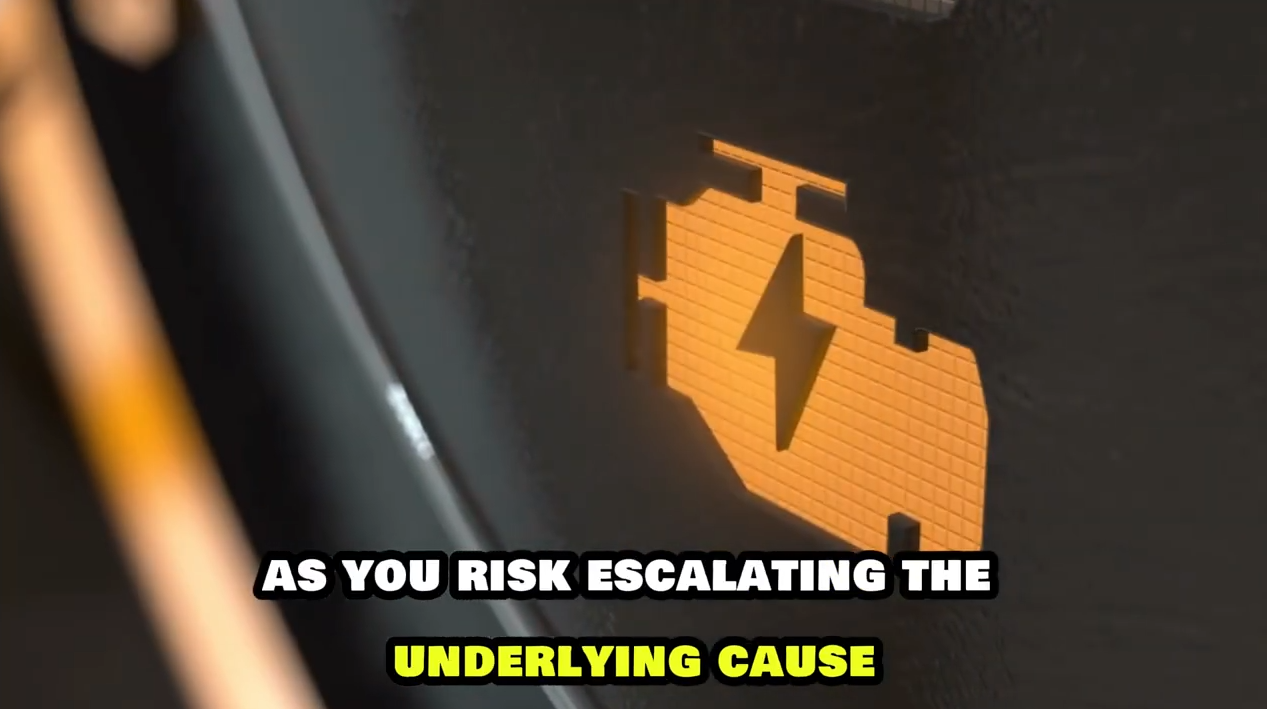
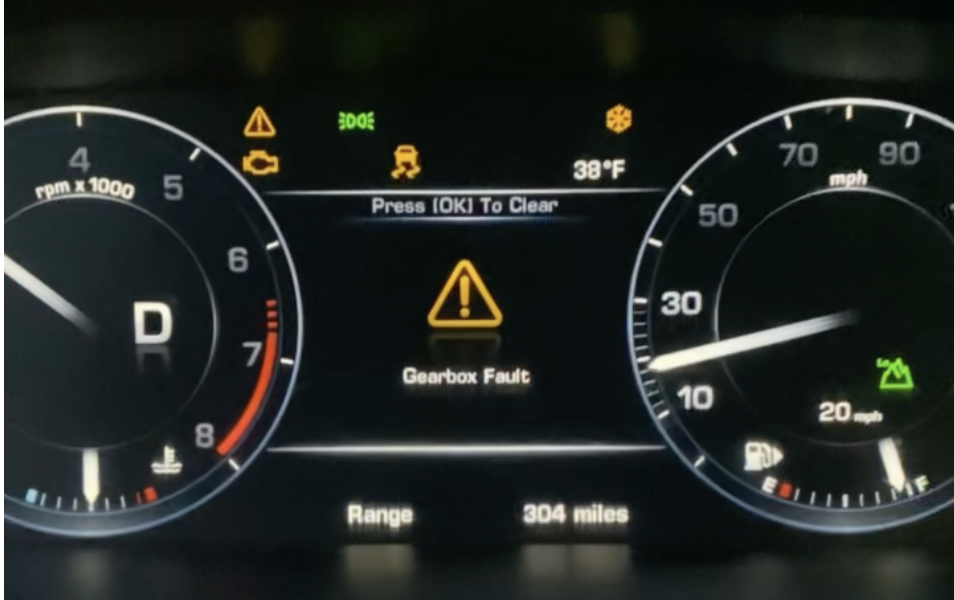
Typical faults are pump belt breakage, hydraulic fluid leaks from pipes or the valve block, and pressure sensor faults producing a red ACE warning light on the dash; Sport L320s commonly show belt failure after age and heat cycles.
Do this before you decide: scan the car with an OBD tool for ACE fault codes, inspect hoses and pipes for seepage at unions, check the pump belt condition, and smell beneath the valve block for hydraulic contamination. A single hose leak usually invites repair; a contaminated valve block or failed pump often leans toward bypass.


What a full ACE repair involves and costs
Repair work includes replacing the failed pump, hoses, seals or the valve block, flushing contaminated hydraulic fluid, and bleeding and recommissioning the system via diagnostics. Expect workshop time of a day to a couple of days and parts labour depending on access and model; valve block replacement is the most expensive single item.
Cost guidance: a typical full ACE repair for L322 or L320 sport with pump and valve work usually falls in the £1,000 to £3,000 range including parts, fluid and diagnostics. You will need ACE-specific hydraulic fluid and a full system bleed; allow for 6 to 10 hours labour on more involved jobs.

Permanent bypass removes a known hydraulic failure point; it is often cheaper up-front and more reliable for long-term ownership of older L320 and L322 cars.
Bypass options: temporary disable vs permanent delete
Temporary pump bypass is quick: fit a shorter auxiliary belt on non-ACE-compatible engines and pull the ACE fuse to stop the pump risking engine damage. This gets you home or through a short-term repair window, and keeps the OE parts available for later reinstatement.
Permanent ACE removal converts the car to passive anti-roll bars by removing or disconnecting the pump, valve block, actuators and pipes. That means cutting pipes and removing the control block with tools such as hacksaws or grinders, or fitting purpose-built bypass kits available for L322 and L320 Sport which simplify the conversion.

How handling, safety and towing change after a bypass
Expect more body roll with passive anti-roll bars, especially when cornering at speed or when the vehicle is loaded or towing. For daily commuting and moderate-speed country roads this is acceptable for many owners; for enthusiastic driving, towing heavy trailers or fast road use, the loss of active roll control is noticeable on L322 and L320 Sport models.
Safety: the car remains safe and MOT-compliant if properly converted with conventional roll bars and suspension set-ups. Declare the modification to your insurer because the car has moved from active to passive roll control; most insurers accept it as a return to a safer fail-state within OE specifications.
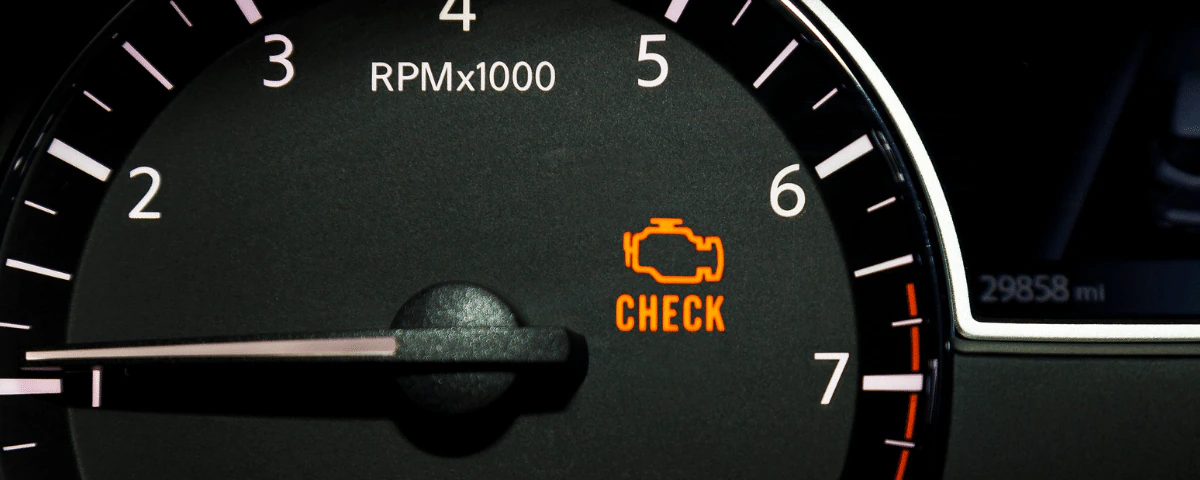
A full inspection and OBD check will tell you whether the issue is a single hose or a contaminated valve block; that single step usually decides range rover ace system repair vs bypass.
Making the decision: practical checklist
Use this checklist: identify the failed items by OBD and visual checks; if a single hose or sensor is the issue, favour repair; if pump failure has contaminated the valve block or multiple components are leaking, consider bypass; factor in your driving style, towing needs and how long you plan to keep the car.
If you want reversibility, opt for a bypass that leaves components in place but disconnected; reinstatement is possible but needs fresh fluid, seals and full recommissioning with diagnostics. If you want a permanent, tidy job, a full bypass kit for L322 or L320 Sport will give clean, passive operation at lower ongoing cost.
Reinstating ACE later and paperwork
Reinstatement is feasible if components were left on the car or carefully stored. You will need to test each component, replace seals and fluid, and run a full diagnostic recommission; costs can approach the original repair price if major parts were removed.
Always record the work and inform insurers. A documented bypass conversion with quality parts and a clean MOT usually has a smaller resale impact than an unreliable ACE system. For a breakdown of options we cover at the workshop see Range Rover ACE options.
Repair vs Bypass at a glance
| Option | Pros | Cons |
|---|---|---|
| Full Repair | Retains factory handling; best for L405 and high-spec cars | Costs typically £1,000-£3,000; may recur if other components age |
| Temporary Bypass | Quick, cheap short-term solution; avoids pump damage | Not a permanent fix; retains original parts for later reinstatement |
| Permanent Bypass | Lower long-term cost; removes hydraulic failure points; kits for L322/L320 | More body roll when cornering or towing; irreversible without parts |
Frequently Asked Questions
What does it mean to bypass the ACE system on a Range Rover?
Is ACE bypass legal in the UK?
How much cheaper is an ACE bypass compared with a full repair?
Will my Range Rover handle differently after an ACE bypass?
Does an ACE bypass affect resale value?
When does ACE repair make more sense than bypass?
Can the ACE system be reinstated after a bypass if I change my mind later?
How do I get an honest quote on ACE repair vs bypass?
Final Thoughts
Range rover ace system repair vs bypass is rarely a one-size-fits-all call. Diagnose first, weigh how you drive and tow, and decide if you want original handling or long-term simplicity. A clear inspection and an itemised quote will make the choice simple and financially sensible.
Ready to decide? Get a proper inspection
Bring your Range Rover to 4X4 Specialist at Alva Industrial Estate, FK12 5DQ for a full ACE system diagnosis and honest, itemised quotes for repair and bypass. Call 01786 625624 to book.
Sources
- 4X4 Specialist ACE options – Details of services and bypass options we offer for Range Rover ACE systems.