
Related on 4X4 Specialist
- Do Larger Wheels Actually Damage a Range Rover’s Air Suspension?
- Off-Road Tyre Damage – What It Does to Air Suspension & ADAS Sensors
- Read: Range Rover Air Suspension Compressor Failure – Signs, Causes & Fixes
→ Range Rover air suspension repairs · Browse our full Land Rover & Range Rover knowledge base
Discovery 5 Air Suspension Faults: Common Issues & Repair Costs
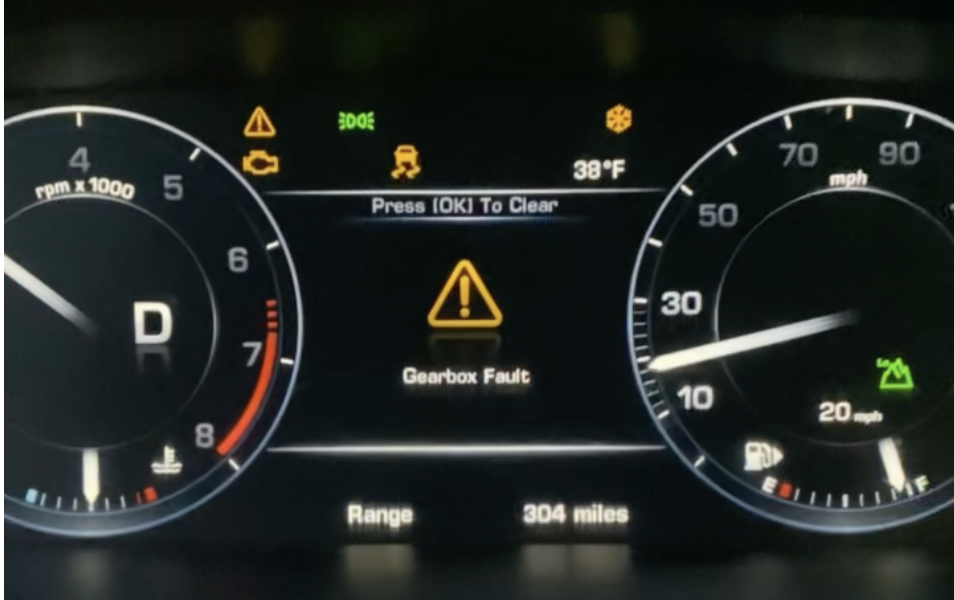
If your Discovery 5 has sat lower overnight or flashed an EAS warning, you are not alone. Air spring leaks, compressors that run themselves to death, and corroded height sensors are the usual suspects, especially on cars six to eight years old. This short guide tells you what each fault looks like, a sensible DIY check you can do, and when to book a proper diagnostic so you avoid a much bigger bill.
1. Air spring leaks
Short answer: worn rubber bags cause slow or sudden corner sagging, typically from around six to eight years of service. Expect dry, cracked rubber or hissing at the wheelarch when pressurised.
Detail and checks: inspect the bellows for surface cracks and use a spray bottle soapy mix to find leaks while the car idles at ride height; leaks are commonly around the shoulder fold on OE-style springs. If one spring is old and the others are original, plan to replace the pair on that axle or all four, because mismatched-age springs cause handling imbalance.
When to call a specialist
If the car sags overnight or drops onto the bump stop, stop driving and call for a diagnostic. Driving on bump stops risks damage to lower control arms and underbody components.

2. Compressor failure, often secondarily
Short answer: compressors commonly fail after working too hard to top up leaky springs; the motor overheats and the piston seals wear prematurely. You will often hear a long, laboured run cycle and see the ride height fault lamp.
Practical checks: if the compressor runs constantly on key-on and the 12V battery is healthy, a leakage test is next. Low battery voltage is a frequent cause of spurious compressor behaviour; check battery resting voltage above 12.4V and system voltage under load. Use OE or premium replacements like Arnott for long-term reliability and warranty coverage.


Always capture live EAS data and a pressure decay test first; many compressors fail secondarily from chasing leaks.
3. Height sensor and wiring faults
Short answer: corroded sensors or damaged wiring on the lower control arms trigger ride height faults and uneven corner heights. Symptoms include intermittent warnings and one-wheel sagging.
Practical checks: visually inspect the ball joints and sensor linkages for corrosion and trapped road debris; avoid power-washing the sensor housings as water ingress can accelerate failure. If a sensor reads out-of-range, expect a replacement and recalibration; check for wiring breaks at the connector junctions near the wheelhub.


4. Valve block and air supply issues
Short answer: blocked valves or leaking manifolds prevent balanced air delivery and show as corner-specific sag or failure to raise to off-road height.
Practical checks: listen for solenoid clicks at key-on and run a pressure retention test; blockage or a seized valve block often needs full replacement or a rebuild. Expansion chamber and connector valve faults have been recorded, so inspect the manifold and its mounting for damage during diagnosis.

If springs are original and one fails, replace the axle pair or all four to avoid handling imbalance and repeat visits.
5. EAS module, battery and spurious warnings
Short answer: low 12V battery voltage or EAS module glitches commonly trigger false ‘EAS Fault’ messages and ride height limitations to normal height only.
Practical checks: always check the battery state of charge first, 12.4V+ resting and healthy charging under load; a flat or weak battery causes intermittent C1A18-64 style codes and false diagnostics. Software resets and module re-flashes sometimes clear stubborn faults after mechanical issues are fixed.


6. Physical damage and driving on bump stops
Short answer: severe sagging that lets the car sit on bump stops will bend suspension arms and damage underbody components; repair bills escalate quickly.
Practical checks: if you suspect bump stop contact check for torn bushes, bent lower arms and scuff marks on the chassis; a visual inspection during a lift can reveal impact damage and the need for arm replacement rather than just new air springs.

Exercise the full ride-height range occasionally, keep the 12V battery healthy, and get an annual EAS health check.
7. Diagnostics: fault codes, tools and steps
Short answer: proper diagnosis uses an OBD scanner that reads EAS codes such as C1A18-64, live pressure data and height sensor readings to pinpoint the fault.
Practical process: start with a battery voltage check, then capture live data while commanding the compressor and valves; perform a pressure decay test to locate leaks. Expect a clear written diagnostic report showing counts such as ‘compressor run time’ and measured leak rate so you can choose repair options confidently.

8. Repair options, parts, labour and replacement strategy
Short answer: repairs range from sensor replacement and valve block service to full compressor or multiple air spring swaps; we always diagnose fully before quoting so you know what you are paying for.
Practical choices: OE compressors and Arnott premium kits are recommended for longevity and warranty; when one spring fails on high-mileage Discovery 5s, replace the pair on that axle or all four to avoid handling imbalance. Annual EAS health checks catch leaks early and save labour costs by preventing secondary compressor failure.
Common Faults and Typical Remedies
| Fault | Symptom | Typical Remedy |
|---|---|---|
| Air spring leak | Corner sagging, hissing, overnight drop | Replace spring; pair or all four if original; use OE or Arnott |
| Compressor overrun | Long run cycles, loud motor, failure to raise | Pressure test, replace compressor if burnt; check battery voltage |
| Height sensor fault | Intermittent EAS warning, one-corner low | Clean/replace sensor, repair wiring, recalibrate |
Frequently Asked Questions
What are the most common Discovery 5 air suspension faults?
Is it safe to keep driving with the Discovery 5 air suspension warning?
How much does Discovery 5 air suspension repair cost?
Which Discovery 5 model year is most reliable for air suspension?
How can I prevent air suspension failure on my Discovery 5?
Should I replace all air springs at once or one at a time?
Will independent air suspension work void my Discovery 5 warranty?
Where do I book a Discovery 5 air suspension diagnosis at 4X4 Specialist?
Final Thoughts
Discovery 5 air suspension faults are manageable if diagnosed early. Small leaks and sensor issues are cheaper to fix than a dead compressor or bent arms. Look after the battery, exercise the height range, and get an annual EAS check so you keep your Discovery 5 riding true.
Need a professional EAS check or repair?
If your Discovery 5 shows an EAS warning or sits low, book a diagnostic early to avoid secondary failures. We write clear reports, use OE and premium parts, and advise you honestly on repair vs replacement.
Sources
- Landmark Repairs troubleshooting guide – Technical guide to common Discovery and Range Rover air suspension faults.
- Disco5 community forum – Owner experiences and component fault reports for the Discovery 5.