
Related on 4X4 Specialist
- ACE System Hydraulic Leak – Why It Destroys the Pump If Left Too Long
- ACE System Repair vs Bypass – Which Is Right for Your Range Rover?
- Read: Range Rover Air Suspension Warning Light – Common Causes & Repair Costs
→ ACE (Active Cornering Enhancement) repair · Browse our full Land Rover & Range Rover knowledge base
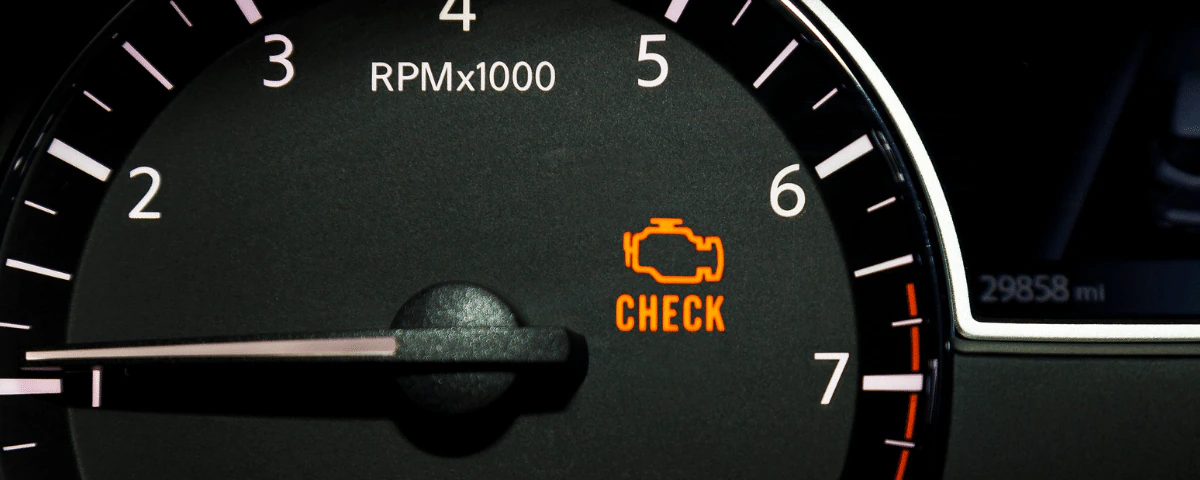
Range Rover ACE System Warning Light, What It Means and What to Do
You see the ACE lamp on the dash while driving a Range Rover L322 or Sport L320, and your stomach drops. The range rover ace system warning light flags a hydraulic fault in the Active Cornering Enhancement system, the engine-driven pump and pair of active anti-roll bars that keep the body flat through corners. This short guide tells you what the light actually means, the likely causes, practical checks you can do, and when to get a proper ACE ECU diagnostic.
Short answer: what the ACE warning light means
Short answer: the range rover ace system warning light means the ACE ECU has detected a fault in the hydraulic circuit that controls the two active anti-roll bars. The hardware involved is an engine-driven pump, a separate ACE fluid reservoir, pressure sensors and a valve block; this is the configuration fitted to L320, L322 and many L494 cars.
Detailed: the ECU will throw an amber or red lamp when fluid pressure is out of spec, a pressure sensor fails, a valve sticks, or wiring/communication with the ABS/stability module is interrupted. If the ECU detects zero pressure the system defaults to passive; that is, the car will exhibit more body roll, especially under load.

Amber versus red: how urgent is the light
Amber ACE warning: you can usually continue to drive carefully, the system has switched to passive mode but the vehicle remains road-legal. Owners of L322 and L320 cars will notice increased roll in corners and softer anti-roll bar response; still, have it checked within a few days to avoid fluid loss.
Red ACE warning: treat it as critical. A sustained red lamp means the ECU detects a serious failure, for example loss of hydraulic pressure or pump seizure risk. Continued driving risks the pump running dry, which can seize and potentially damage the engine drive belt and pump mounting.
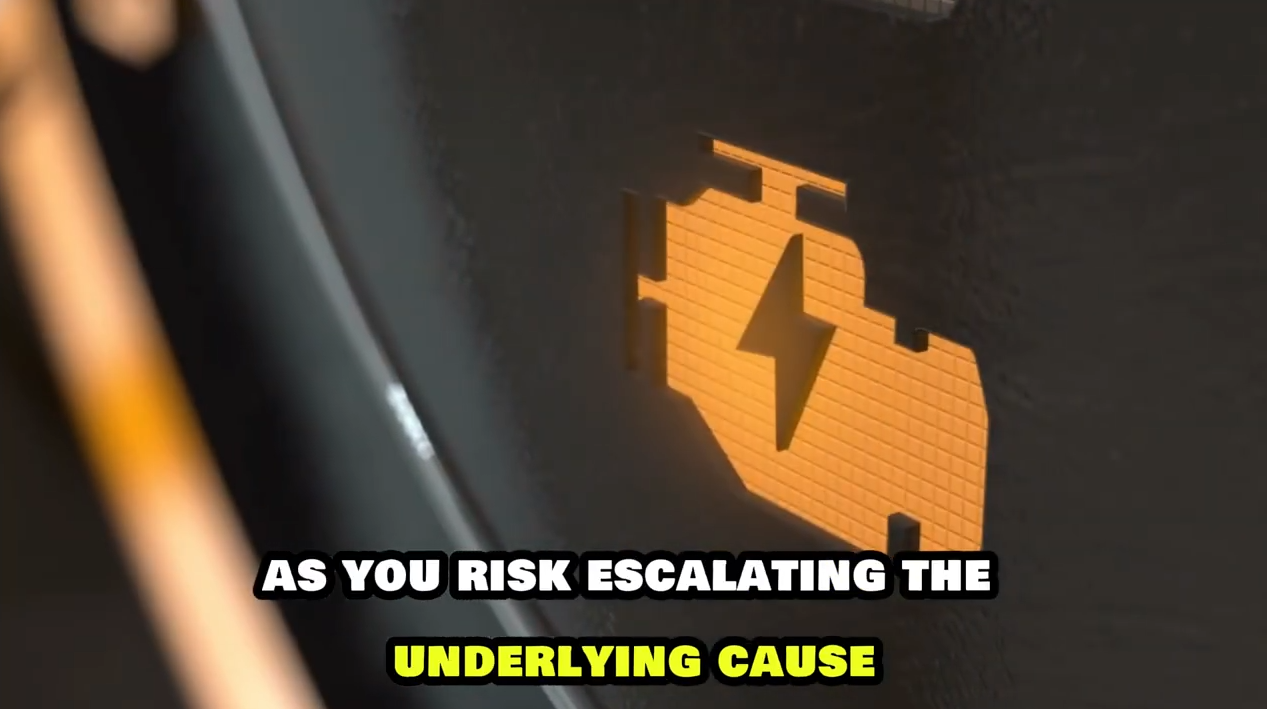

An amber ACE light can allow safe driving for short trips, but diagnose within days to stop a small leak from turning into a seized pump and belt damage.
Common causes of an ACE fault
Low fluid level, usually from a leaking high-pressure hose or failing seal, is the single most common cause across L320, L322 and L494 Range Rover models. The ACE system uses its own reservoir; a persistent drip under the engine or near the anti-roll bar actuators is a telltale sign.
Other common failures include pressure sensor faults, valve block contamination or stuck valves, worn ACE pumps, and wiring or ECU communication errors with the ABS/ESP modules. A wheel speed sensor fault can cascade and present as an ACE fault because these systems share data.


How the car feels when ACE is not working
You will feel increased body roll in corners, especially when carrying passengers or a load. On L320 and L322 Sport models the difference is obvious: the vehicle leans more, steering feels softer in transient cornering, and there may be increased understeer at higher speeds.
Secondary symptoms can include a low growl or vibration from the engine bay if the ACE pump is struggling, and intermittent ABS or stability control warnings if the ECU communication has been affected. These cross-module warnings are common because ACE shares data with ABS/ESP.
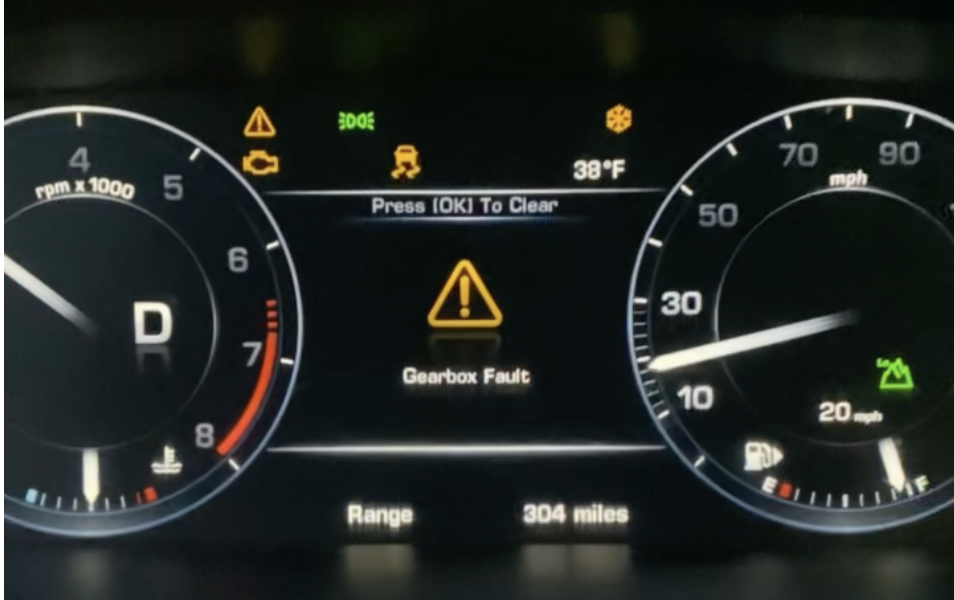

Quick checks you can do at home
Look beneath the car for a small puddle near the front or mid-chassis; ACE high-pressure leaks commonly show as a tiny oily drip. Check the ACE reservoir under the bonnet for level and contamination; the reservoir is separate from air suspension and usually has a stamped cap and hose routing into the pump.
Listen at idle for an unusual buzzing from the engine bay which suggests the engine-driven ACE pump is running hard. Do not top up with generic fluids, the ACE circuit specifies a dedicated hydraulic fluid; topping with the wrong fluid or mixing types can trigger further ACE faults. For a professional ACE service and reservoir refill see our active cornering enhancement page ACE service and diagnosis.


Why a proper diagnostic is essential
ACE faults must be read from the ACE ECU with manufacturer-level diagnostic equipment; generic OBD-II readers cannot access the ACE parameters or valve block faults on L320/L322/L494 models. Technicians will read ACE-specific fault codes, check pressure sensor live data, and command valves while monitoring pump current draw.
Never simply clear the ACE code and drive on. Clearing masks the issue and allows a slow hydraulic leak to continue; a pump running low on fluid will overheat, seize, and may require a full pump replacement. Accurate diagnosis prevents unnecessary pump replacement and limits the risk of secondary damage to anti-roll bar bushes and links.

Typical repairs and how to avoid repeat faults
Common repairs start with replacing a failed pressure sensor or fixing a leaking high-pressure hose; these are usually the lowest-cost fixes. Valve block cleaning or replacement is mid-range, and a pump swap with a system flush is the most expensive repair, often taking several hours on an L320 or L322.
Preventative steps include checking the ACE reservoir at every service, replacing high-pressure hoses at the first sign of chafe, and using the correct hydraulic fluid specified for ACE circuits. Regular inspections on higher-mileage Range Rover Sports, especially those above 80,000 miles, reduce the chance of pump seizure and expensive follow-on work.
Common ACE Faults and Typical Workshop Response
| Fault | Likely Repair | Workshop Time estimate |
|---|---|---|
| Low fluid / leaking hose | Hose replacement and reservoir top-up | 1.0 to 2.0 hours |
| Pressure sensor fault | Sensor replacement and bleed | 0.5 to 1.5 hours |
| Valve block contamination/stuck valve | Clean or replace valve block, flush system | 2.0 to 4.0 hours |
| ACE pump wear / seizure | Pump replacement and full system flush | 3.0 to 6.0 hours |
Frequently Asked Questions
What does the ACE warning light mean on a Range Rover?
Can I still drive my Range Rover with the ACE warning on?
What are the most common causes of an ACE fault on a Range Rover Sport?
How much does it cost to fix an ACE system fault?
Where is 4X4 Specialist and how do I book an ACE diagnosis?
Final Thoughts
The range rover ace system warning light is a clear sign to act, not to ignore. A prompt diagnostic that reads ACE ECU data will usually find a straightforward fix, often a sensor, hose or valve block clean. Left alone, small leaks escalate into seized pumps and costly repairs. Check the reservoir, listen for pump noise, and get the fault read properly to preserve handling and avoid secondary damage.
Need an ACE check on your Range Rover?
Book a dedicated ACE diagnostic slot with experienced technicians who work on L320, L322 and L494 Range Rovers. We read ACE ECU codes, test pressure sensors, inspect high-pressure lines and recommend the right repair.
Sources
- Land Rover Roaring Fork – Reference on warning lights and ACE interpretation
- Land Rover Forums – Community reports on ACE faults and symptoms
- LandyZone discussion – Owner reports on pump vibration and ACE red light experiences