
Related on 4X4 Specialist
- Range Rover Gearbox Service – Why It’s Often Skipped & Why That’s Costly
- Range Rover Sport Transfer Box Problems – Early Warning Signs
- Read: ‘No Fault Found’ at the Dealer – What to Do When Your Range Rover Still Has a Problem
→ Range Rover transmission specialist (ZF 8HP) · Browse our full Land Rover & Range Rover knowledge base
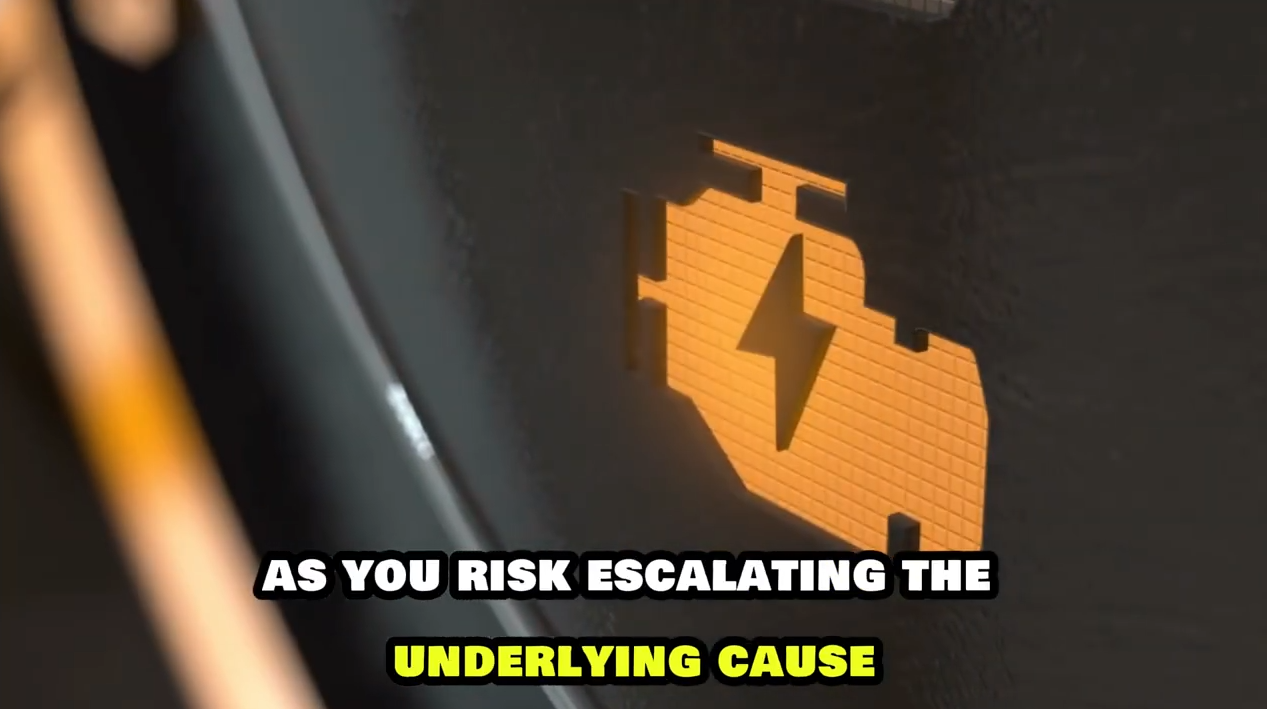
Range Rover Gearbox Judder & Hesitation – ZF Transmission Issues Explained
If your Range Rover judders at 30-50 mph, hesitates selecting Drive, or feels harsh shifting, you are not imagining it. ZF 6HP and 8HP automatics fitted across L322, L405/L460 and Sport models commonly show these symptoms when transmission fluid or torque converter components degrade. Read this short, practical guide for what causes range rover gearbox judder hesitation, how to check it yourself, and which jobs usually fix the problem.
Quick answer: what range rover gearbox judder hesitation usually means
Short answer: most judder and hesitation on ZF 6HP and 8HP Range Rovers comes from degraded or low transmission fluid, a worn torque converter lock-up clutch, or failing mechatronic valve body solenoids. Common model pairings are 6HP26/6HP28 in L322 and earlier Sports, and 8HP70/8HP75 in L405/L460 and later Sport and Velar models.
Detailed note: a torque converter lock-up clutch that has worn will often create a vibration at light throttle between about 30 and 50 mph, roughly 1,500 to 2,000 rpm. If the box has low hydraulic pressure because of leaks at a pan-mounted electrical sleeve, you will also get slow engagement selecting Drive or Reverse.

Symptoms to listen for and how they present
Judder at light throttle: a shudder under light load around 30–50 mph, often felt during steady cruise, points to torque converter lock-up clutch wear on 6HP units. Expect vibration centred at 1,500–2,000 rpm and sometimes tied to engine load.
Hesitation, slow to engage Drive or Reverse: delayed movement when selecting D or R, or a clunk into gear, often means low fluid or mechatronic solenoid wear. Harsh downshifts when stopping, or lurching under upshifts, become more likely under towing or when the fluid is contaminated.


Degraded or contaminated ZF Lifeguard fluid is the most common trigger for range rover gearbox judder hesitation.
Why it happens: fluid, torque converter and mechatronic failures
Contaminated or degraded fluid is the single biggest cause. ZF Lifeguard fluid loses friction properties and carries clutch material debris if changes are skipped; internal clutch pack wear follows in higher-mileage examples. Recommended service interval is every 60,000 miles or six years using genuine ZF Lifeguard 6 for 6HP boxes and Lifeguard 8 for 8HP boxes.
Torque converter lock-up clutch wear causes vibration and shudder; on 6HP units prevention needs more than a fluid change alone once wear is advanced. Mechatronic valve body solenoids wear electrically and mechanically and will cause delayed or harsh engagement; replacement or rebuild of the mechatronic unit is a common workshop fix.
Leaks and overheating
A pan-mounted electrical sleeve leak is a known weak point; it causes slow fluid loss and intermittent transmission overheat warnings. Replacing the sleeve, pan gasket and topping up with Lifeguard spec fluid is part of the standard repair on ZF units.

Simple checks you can do before booking a garage
Bring the car in cold for a test drive. Most judders are easiest to replicate from a cold start; bring the vehicle cold to your appointment so the fault appears. Note exact speed/rpm where the vibration happens, for example ‘shudder at 40 mph, 1,700 rpm under light throttle’.
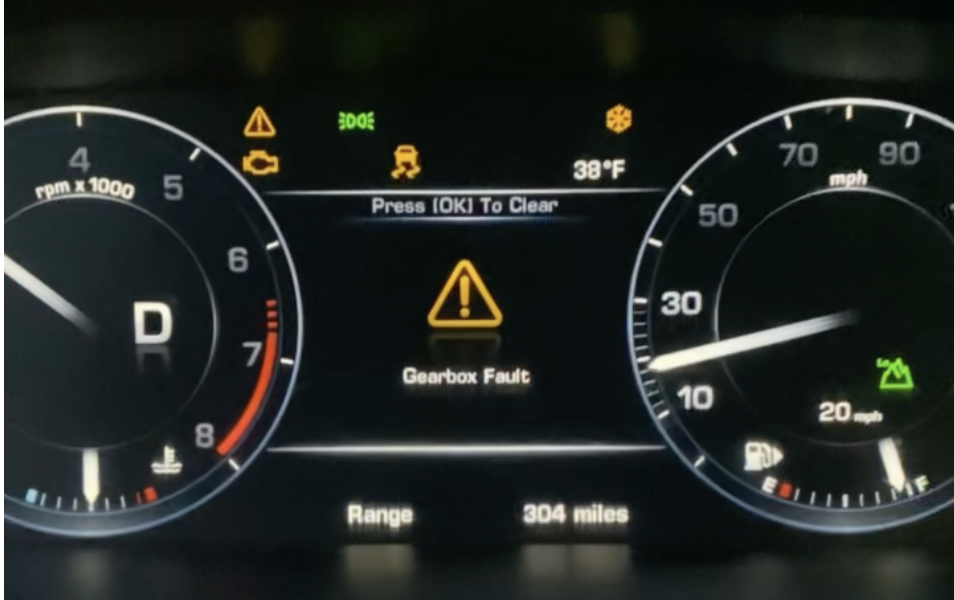
Visual checks: look for transmission fluid under the car near the pan, smell for burnt oil when you open the engine bay after a short drive, and check for transmission temperature warnings on the dash. If you have a diagnostic reader, check for transmission-related fault codes (many are P07xx family for pressure and shift faults). Avoid topping up with non-ZF fluids.
A timed fluid service at about 60,000 miles or six years often prevents torque converter and mechatronic failures becoming expensive repairs.
Workshop diagnosis: live data, test drive and what we log
We use live data to record turbine speed, input/output speeds, and torque converter lock-up percentage across a cold-to-warm test drive. Typical diagnostic time is 60–120 minutes; this includes a cold replication drive, live data capture and road-load checks on models such as L322 (6HP26/28) and L405 (8HP70/75).
A full diagnostic pinpoints slip versus hydraulic pressure loss. Mechatronic faults generate stored DTCs and inconsistent shift pressures; torque converter faults show as lock-up clutch slip in live data. We also check pan contamination during fluid drain for clutch debris that signals internal wear.
What we inspect on arrival
Cold replication, scan for P07xx / transmission pressure codes, road test to capture shudder RPM and speeds, pan drop to inspect fluid colour and clutch debris, sleeve and pan seal inspection. This combined approach tells us if a fluid service will suffice or if a torque converter or mechatronic unit is required.

Common repairs, expected labour and price ranges
ZF transmission fluid service: this includes pan drop, new filter, new pan sleeve where fitted, fresh ZF Lifeguard fluid (Lifeguard 6 or 8) and software check. Labour 1.5–3.0 hours. Typical independent workshop price range is approximately £250–£600, depending on model and whether the sleeve is replaced.
Torque converter replacement: recommended when lock-up clutch is worn and persistent shudder remains after a fluid service. Labour 4–8 hours, parts can range widely; expect several hundred to a few thousand pounds depending on new or reconditioned converters and whether a full strip-and-rebuild is needed. Mechatronic replacement or rebuild is higher still; budget from roughly £1,200 upwards on later 8HP boxes.
Model-specific notes
Older L322 with 6HP26/28 often need extra preventative work beyond a fluid change to avoid repeat shudder; L405/L460 with 8HP70/75 are robust but still suffer mechatronic solenoid wear and pan sleeve leaks on higher-mileage cars.

If lock-up clutch wear or clutch-pack debris is present, expect costs to move from a few hundred pounds for service to thousands for converter or mechatronic replacement.
Preventative maintenance and towing advice
Change fluid every 60,000 miles or six years, using ZF Lifeguard 6 for 6HP and Lifeguard 8 for 8HP transmissions. This simple rule reduces clutch debris and keeps mechatronic solenoids operating within spec; owners who tow regularly or drive in hot climates should shorten this interval to 30–40k miles and fit a dedicated transmission cooler.
Avoid repeated hard launches and heavy towing when the box is cold. If you plan sustained towing near the vehicle’s rated capacity, consider an upgraded oil cooler, monitor transmission temperature closely, and factor extra service frequency for models such as Range Rover Sport L494 and long-wheelbase L405.
Bring the car cold to your diagnostic drive; judder is easiest to reproduce before the gearbox warms up.
Typical fixes, cost ranges and labour time
| Repair | Typical cost (approx. £) | Labour time |
|---|---|---|
| ZF fluid service (pan, filter, Lifeguard fluid) | 250 – 600 | 1.5 – 3 hours |
| Replace pan sleeve and seals | 100 – 350 | 1 – 2 hours |
| Torque converter replacement | 800 – 2,500+ | 4 – 8 hours |
| Mechatronic unit rebuild/replacement | 1,200 – 3,500+ | 4 – 10 hours |
Frequently Asked Questions
What causes gearbox judder or hesitation on a Range Rover?
Is it safe to keep driving with a juddering Range Rover gearbox?
How much does it cost to fix a Range Rover gearbox judder?
What are the most common ZF transmission faults on JLR vehicles?
How can I prevent gearbox problems on a Range Rover?
Final Thoughts
Range rover gearbox judder hesitation is usually fixable if you act early. Start with the checks above, book a cold test-drive diagnostic, and prioritise a genuine ZF fluid service where appropriate. That early action preserves the box and keeps repair bills down.
Book a ZF gearbox diagnostic and service
If you need a specialist diagnosis or ZF transmission service, call 01786 625624 or visit https://4×4-specialists.com/range-rover-transmission-specialists/. We are based at Alva Industrial Estate, FK12 5DQ, about 30 minutes from Stirling and ready to capture cold judder symptoms and advise the correct repair.
Sources
- jcbritish.com – Six transmission problems every Land Rover owner should watch for – Overview of common Land Rover transmission faults.
- VMTP Midlands – Range Rover Discovery gearbox problem – Case examples of gearbox hesitation and solutions.
- YouTube example of ZF judder and repair – Visual demonstration of torque converter shudder and repair steps.
- FullFatRR forum discussion – Owner reports and workshop fixes for ZF judder on Range Rovers.