
Related on 4X4 Specialist
- Range Rover Gearbox Judder & Hesitation – ZF Transmission Issues Explained
- Range Rover Gearbox Service – Why It’s Often Skipped & Why That’s Costly
- Read: ‘No Fault Found’ at the Dealer – What to Do When Your Range Rover Still Has a Problem
→ Range Rover transmission specialist (ZF 8HP) · Browse our full Land Rover & Range Rover knowledge base
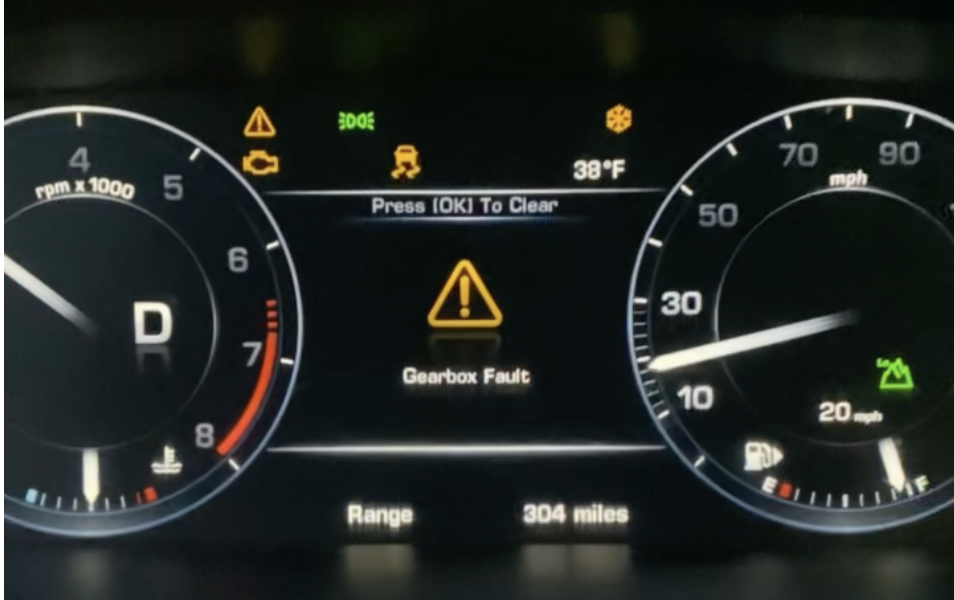
Range Rover Sport Transfer Box Problems: Early Warning Signs and What to Do
You hear a low-pitched whine as speed rises, or a clunk when you pull away. Those noises from under the car are often the first sign of range rover sport transfer box problems. Know the difference between a bearing whine, a failing range motor, and an electrical 4WD fault, and you can stop a small repair turning into an expensive rebuild. This short guide tells you what the sounds mean, quick checks you can do at home, and when to stop and call for professional diagnostics.
Overview: Which transfer boxes are in your Range Rover Sport
Short answer: L320 models use the Magna Power Transfer Unit, later L494 and L461 Sport models use BorgWarner-style units. The Magna PTU on L320s is the one that commonly leaks and sheds bearing debris. BorgWarner units on L494/L461 have known chain tensioner weaknesses that can lead to skipping teeth.
Quick detail: when a technician strips an L320 PTU you often see metal shavings on the input side and failing seals. On L494/L461 the usual culprit is the chain or tensioner, which shows skipping marks or elongated chain links during inspection.
Why model code matters
Parts, fluid spec and disassembly differ by model code. For example, a Magna PTU bearing replacement uses different seals and bearings to a BorgWarner chain rebuild; labour times vary accordingly. Always tell your workshop the chassis code, e.g. L320, L494 or L461, when you book.

Early symptoms: the whine, the clunk and the vibration
Short answer: a low-pitched whine that varies with road speed usually means worn bearings or chain stretch; a clunk under acceleration or direction change points to worn clutch plates or range motor wear; floor vibration at 50–70 mph can be transfer box bearings, not the propshaft.
Practical checks: listen with a phone recording at speed, compare noises in neutral and drive, note whether the pitch follows road speed or engine revs. A whine following road speed implicates the transfer case or propshaft; a whine tied to engine revs suggests gearbox or torque converter issues.
Sounds mapped to likely faults
Whine that rises with speed: bearings or chain. Clunk on pull-away: worn range-change motor or clutch pack. Grinding or loud metallic sounds: catastrophic bearing collapse, stop immediately. Vibration at cruising speeds: transfer box bearing or internal imbalance.


A whine that follows road speed is a red flag; record it and arrange an inspection before bearings shed significant metal.
Electrical faults and the TCCM: intermittent 4WD messages
Short answer: corrosion in the Transfer Case Control Module under the battery can cause ‘4WD fault’, ‘transfer box range change unavailable’ or erratic range changes. The TCCM location makes it vulnerable to battery vapour and spill contamination.
Practical action: pop the battery cover, inspect the TCCM connector for green or white corrosion, clean contacts with electronic contact cleaner, and check for water ingress seals. Record any fault codes with a scan tool; codes pointing to actuator position or communication errors narrow the fault to the TCCM or wiring.
When intermittent warnings mean motor failure
If ‘range change unavailable’ shows intermittently, suspect the range-change motor or its actuator. These motors commonly fail when owners attempt to shift under load or while moving. A bench test of the actuator with the top cover removed confirms motor torque and position feedback.


Mechanical wear: bearings, chains, seals and leaks
Short answer: lack of fluid maintenance accelerates seal and bearing wear; on older Magna PTUs you often find metal shavings near the input seal, while BorgWarner units show chain stretch and tensioner damage.
Owner check: look for oil leaks around the transfer case gasket and input seals, smell the oil for burnt metallic notes, and check the fluid level and colour when the vehicle is cold. Disassembly frequently reveals fine metal debris when bearings begin to fail.
Fluid spec and change interval
Use the correct transfer-case fluid, and change every 40,000–60,000 miles; choose the 40,000-mile interval for towing or serious off-road use. Using the wrong oil or skipping changes lets additives deplete and accelerates wear on chains, bearings and seals.
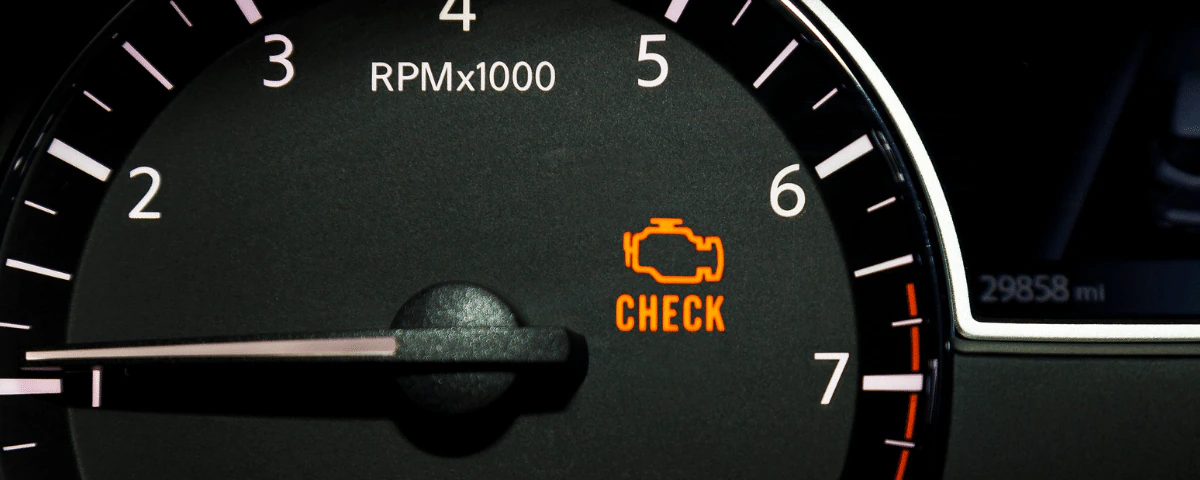
Change transfer-case fluid every 40,000–60,000 miles; use 40,000 miles for towing or regular off-road use.
Quick owner diagnostics: what to try before a workshop visit
Short answer: verify propshaft UJs and wheel bearings before blaming the transfer case, then check the battery area for TCCM corrosion and record the noise at speed for the technician.
Step-by-step checks: ensure tyre sizes front and rear match exactly; check propshaft UJ play by jacking a wheel and moving the shaft by hand; visually inspect for oil at the transfer case gasket and input. If you have a phone audio clip of the whine at 60 mph, bring it to the workshop; it is often diagnostic on its own.
What to avoid
Do not attempt range selection under load, and avoid long-distance driving with grinding noises or severe vibration. Shifting High/Low while moving is the top cause of range motor failure; that damage is often irreparable without a full strip and parts replacement.
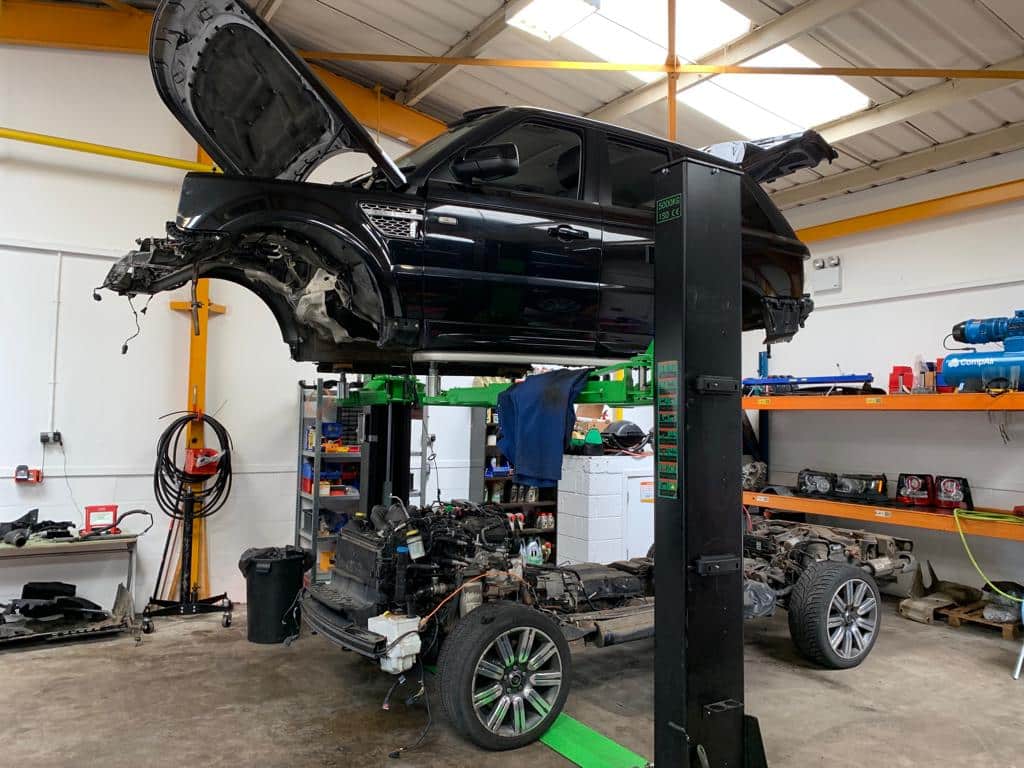

Prevention: fluids, tyres and driving habits
Short answer: change transfer-case fluid every 40,000 miles, keep all four tyres matched in size and tread, and never force range changes while moving; these three rules avoid most range rover sport transfer box problems.
Practical specifics: record fluid changes on invoices with the fluid specification noted; a 5mm tread or tyre diameter difference between axles generates cumulative wear on the transfer chain and diffs. If you tow regularly, shorten service intervals to 40,000 miles or sooner.
When to schedule professional service
If you hear a persistent whine, feel vibrations at 50–70 mph, or get intermittent 4WD warnings, book a live data check and TCCM inspection. A professional will read transfer-case live data, confirm actuator positions and perform a fluid drain and inspection if required.

Keep all four tyres identical in size and tread; a 5mm diameter difference accelerates transfer-case wear dramatically.
When to stop driving and get recovery
Short answer: stop immediately if you feel grinding, severe vibration, or intermittent loss of drive; those are signs of bearing collapse or chain damage and continuing to drive risks a seized transfer case and gearbox damage.
What happens next: a seized transfer case can damage the gearbox output shaft and propshafts; recovery to a workshop for a strip, inspection and metal debris assessment is cheaper than a full drivetrain rebuild. If the fault is electrical, an early TCCM clean and actuator test can avoid further damage.
Temporary fixes vs proper repair
Temporary fixes such as topping up oil or cleaning TCCM contacts can buy short-term mobility but do not replace a strip and inspection. If diagnostics reveal metal shavings or chain skipping, the unit needs a proper rebuild or replacement rather than a quick patch.


Symptom to Cause Guide
| Symptom | Likely Cause | Urgency |
|---|---|---|
| Low-pitched whine increasing with road speed | Worn transfer case bearings or chain stretch | Inspect within 500–1,000 miles; avoid long journeys |
| Clunk on pull-away or direction change | Worn clutch plates or failing range-change motor | Book a diagnostic within 200–500 miles |
| Intermittent ‘4WD fault’ or ‘range change unavailable’ | TCCM corrosion or actuator motor failure | Diagnose electrical connectors and fault codes immediately |
| Severe grinding or sudden loss of drive | Bearing collapse or chain failure | Stop driving, recover to workshop immediately |
| Floor vibration at 50–70 mph | Transfer case bearing imbalance (verify propshaft UJ first) | Inspect within 200 miles; avoid sustained high-speed runs |
Frequently Asked Questions
What are the early warning signs of a transfer box problem on a Range Rover Sport?
Is it safe to keep driving with a noisy transfer box?
How much does it cost to repair a Range Rover transfer box?
What causes Range Rover transfer boxes to fail?
How can I prevent transfer box problems on my Range Rover?
Do you cover Range Rover Sport, Vogue, Velar, Discovery, and Defender transfer boxes?
Will an independent specialist’s transfer box work void my warranty?
Where do I book a transfer box check at 4X4 Specialist?
Final Thoughts
A small whine or intermittent 4WD message is a manageable call to action if you act early. Listen carefully, check simple items like tyre match and propshaft UJs, and get a TCCM and fluid inspection booked before metal debris turns a repair into a rebuild. Early intervention saves time, money and frustration.
Book a transfer box health check
Bring your recording or a short video of the noise. We run live transfer-case diagnostics, TCCM checks and full strip-inspect options so you know whether you need a motor, a bearing job, or a rebuild.
Sources
- Workshop Video and Forum Reports – Technical tear-downs and owner reports on transfer box failures
- Range Rover Owner Threads – Owner experiences and common symptom reporting
- 4X4 Specialist Transmission Service Page – Details of specialist transmission and transfer-case services