
Related on 4X4 Specialist
- DPF & EGR Faults on Land Rover – Why They’re Often Linked to the Same Root Cause
- DPF Cleaning vs Replacement on a Range Rover – Which Is Worth It?
- Read: EGR Valve Failure on Land Rover Diesel – Symptoms, Causes & Cost
→ Range Rover Euro 5/6 emissions repair · Browse our full Land Rover & Range Rover knowledge base

Range Rover AdBlue Warning: ‘No Engine Restarts in X Miles’ Explained
You see ‘No Engine Restarts in X Miles’ on your Range Rover and your heart skips a beat. Breathe easy: this countdown is an emissions lockout, not a mechanical death knell. I’ll explain what it means, why Euro 6 forces it, the usual culprits from low fluid to frozen heaters, and exactly what you can do right now to avoid being stranded.
What the warning actually means
Short answer: range rover adblue warning no engine restarts is a legally mandated countdown that prevents the engine from restarting once it hits zero. The car has either detected a low Diesel Exhaust Fluid level or an AdBlue system fault, and emissions rules require a restart lockout.
Detailed explanation: under Euro 6 rules the vehicle must stop allowing restarts to keep emissions compliant. The engine will continue to run while the countdown is active, so you can drive to a safe location. The risk is the next time you stop, the car will not restart until the AdBlue level is replenished or the fault is fixed and the lockout cleared.

AdBlue / Diesel Exhaust Fluid basics
AdBlue is a urea-based Diesel Exhaust Fluid injected into the SCR system to cut NOx emissions. Use only ISO 22241-certified AdBlue; contaminated or industrial-grade urea triggers faults and crystallisation.
Practical detail: when you get a low-level message top up with at least 3 to 5 litres to restore starting capability. Most Range Rover models have the filler in the fuel filler area or under a small flap; consult the handbook for your model code, for example L405, L494, L663 or L460.


The ‘No Engine Restarts in X Miles’ message is a Euro 6 enforcement feature, not an immediate mechanical failure.
Why Euro 6 creates the countdown
Short answer: the countdown is a legal enforcement tool. Euro 6 requires manufacturers to prevent vehicles operating out of emissions spec; the lockout ensures the SCR system can’t be ignored.
How it behaves: while the countdown displays you can continue to drive legally. The vehicle is warning you that NOx reduction is degraded. Once the counter hits zero the vehicle will not restart after the next stop, forcing the owner to top up or repair the AdBlue system before the next ignition.
Common dashboard messages and symptoms
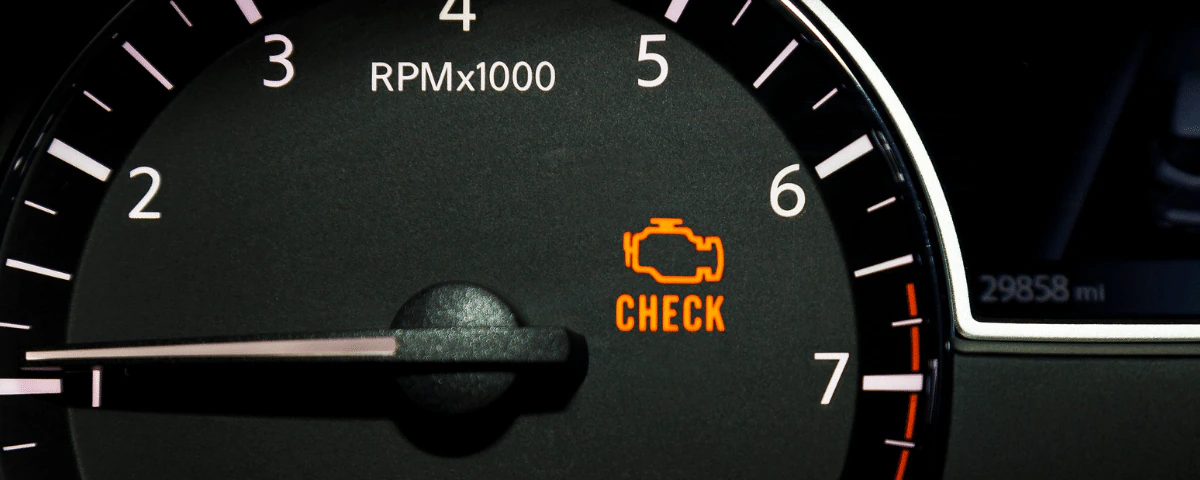
Typical messages: ‘AdBlue System Fault’, ‘Refill AdBlue’, or the fatal ‘No Engine Restarts in X Miles’. You may also see fault codes like P20EE stored in the ECU when the NOx system detects problems.
Symptoms to watch for: no change in driveability is common; emissions faults rarely affect power immediately. More telling signs are repeated AdBlue warnings, inability to register a top-up without a scan, or a dosing malfunction in live data from an OBD tool.


If safe, add 3-5 litres of ISO 22241 AdBlue and run the engine for 30 seconds; many restart problems clear after this.
Top causes: low fluid, heaters, NOx sensors and crystallisation
Low AdBlue level is the simplest cause; some cars do not show a precise percentage so owners miss the refill window. Tank heater failures are common in cold climates; frozen AdBlue can trigger a fault if the heater or its sensor fails.
NOx sensor failures and wiring faults produce incorrect exhaust readings and prevent dosing; codes like P20EE often point here. Crystallised urea clogging the injector or exhaust lines is a frequent mechanic’s job and requires cleaning or injector replacement. Pumps and pressure sensors also fail, producing dosing errors.
DIY checks, top-up and quick reset
Short checklist you can do now: verify the AdBlue tank level, top up with ISO 22241 AdBlue at least 3 to 5 litres, ensure the filler cap and funnel are clean, then start the engine and let it run for 30 seconds. Some cars will register the new level after a short run; others need a short drive of 5 to 10 minutes.
If the countdown does not clear, a diagnostic tool is usually needed to refresh the system and clear the lockout. Tools such as Launch or Topdon can read live dosing values, but some lockouts and NOx sensor calibrations require a JLR-level scan to clear codes like P20EE or to reinitialise dosing after parts replacement.
How to top up safely
Use a clean funnel and pour AdBlue slowly to avoid splashes; AdBlue is corrosive to paint. Replace the cap properly. Record the amount added on your service note; if you needed more than 5 litres it’s a sign the tank was low and you should watch the level more closely.

If the countdown persists, a JLR-level scan or Launch/Topdon live-data read is usually the next step to identify P20EE and similar codes.
Diagnostics, fault codes and tools
Quick answer: get live data. A professional scan reads NOx sensor voltages, dosing valve duty cycle, pump pressure and tank temperature. Codes like P20EE relate to SCR/NOx issues and tell you where to look next.
Tools and procedure: Launch and Topdon hand tools can show live dosing and level data; however JLR-specific software is often required to clear lockouts and calibrate NOx sensors. A typical diagnostic session covers live NOx trace, injector flow test, heater resistance check, and pressure readings from the AdBlue pump.
When the scan points to an injector or crystallisation
If the dosing valve shows zero duty cycle or the injector is blocked, the nozzle and any visible pipes will need cleaning with approved solvents and manual removal of crystalline deposits. In severe cases the dosing injector or the entire tank assembly is replaced; we confirm part numbers on the job sheet before proceeding.
Cold weather problems and crystallisation
In freezing temperatures AdBlue will solidify and the tank heater must melt it before dosing resumes. Heater failures in cold Scottish winters are a frequent source of ‘AdBlue system fault’ messages on Range Rover SDV6 and D300 models.
Prevention detail: if the vehicle sits unused during cold spells, run it for 30 minutes weekly or use the heater plug-in where fitted to keep the tank warm. If you detect heater fault codes, the heater element resistance check and replacement are common workshop tasks.


Prevention and when to call a specialist
Preventive routine: top up early, only use ISO 22241 AdBlue, inspect filler area for contamination, and drive weekly for 30 minutes in winter so the heater can do its job. Keep records of AdBlue fills and any faults; those notes help warranty claims.
If the countdown is active and you cannot clear it by topping up, call for a proper diagnostic. We offer a dedicated Range Rover Euro 5/6 emissions issues service and can run JLR-level scans, NOx sensor calibration and lockout resets to get you moving again. Book before the counter hits zero to avoid a no-restart situation.

Quick-fix guide vs specialist work
| Problem | Quick check or fix | When a workshop is needed |
|---|---|---|
| Low AdBlue level | Top up 3-5 litres, run engine 30s | If countdown remains or refill not recognised |
| Frozen tank/heater fault | Warm vehicle; 30+ minute drive | Heater element resistance test and replacement |
| NOx sensor fault (P20EE) | Read live data for voltages | NOx sensor replacement and calibration with JLR tool |
| Crystallised injector | Visual inspect; clean nozzle if accessible | Injector or pipework replacement and system flush |
Frequently Asked Questions
What does ‘No Engine Restarts in X Miles’ actually mean on a Range Rover?
Is it safe and legal to keep driving with the AdBlue warning showing?
How much does it cost to fix an AdBlue warning?
What are the most common causes of AdBlue warnings on Land Rover diesels?
How can I prevent AdBlue warnings?
Do you cover AdBlue faults on Sport, Vogue, Velar, Evoque, Defender and Discovery?
Will an independent specialist void my Land Rover warranty by working on the AdBlue system?
Where do I book an AdBlue diagnosis at 4X4 Specialist?
Final Thoughts
Don’t ignore a range rover adblue warning no engine restarts. Top up with certified AdBlue early, watch for heater and sensor codes in winter, and get a diagnostic when messages persist. Small, prompt actions keep you moving and avoid expensive repairs.
Need help with an AdBlue warning?
If the countdown is active or you see an AdBlue system fault, book a diagnostic now and we’ll read live data, clear locks where possible, and advise the fastest, most cost-effective repair.
Sources
- YouTube video on AdBlue issues – Visual walk-through of AdBlue system components and common faults.
- YouTube demonstration of AdBlue restart lockout – Shows warning behaviour and steps to clear after refill.
- LandyZone forum discussion – Owner reports and practical tips on AdBlue restart messages.
- YouTube technical teardown – Explains dosing injector and crystallisation cleaning.
- LRUK forum thread – Forum troubleshooting and symptom reports from owners.