
Related on 4X4 Specialist
- DPF Cleaning vs Replacement on a Range Rover – Which Is Worth It?
- EGR Valve Failure on Land Rover Diesel – Symptoms, Causes & Cost
- Read: Range Rover DPF Warning Light – Amber vs Red & What Each Means
→ Range Rover Euro 5/6 emissions repair · Browse our full Land Rover & Range Rover knowledge base
Why Land Rover DPF and EGR Faults Are Usually the Same Problem
If you keep replacing DPFs or EGR valves and the same light returns within months, you are not unlucky, you are missing the shared root cause. On Euro 5/6 Land Rover diesels the EGR recirculates soot into the inlet, the inlet coats up, the DPF blocks faster and exhaust back-pressure makes the EGR fail sooner. Read on for short, practical checks you can do, fault codes to watch for and the preventative measures that actually stop the cascade.
Short answer: land rover dpf egr faults linked
Short answer first: they are often the same problem, not two separate ones. A sticking EGR valve or a carboned EGR cooler sends extra soot into the inlet manifold; that soot leaves the engine and chokes the DPF. Common codes you’ll see together are P0401 (EGR flow insufficient), P049B (exhaust gas flow insufficient) and P2002 (DPF efficiency below threshold).
Practical check: read live EGR position and DPF differential pressure at idle and 2,000 rpm. If EGR position shows erratic percentages and DPF pressure rises above a few hundred millibars under load, you have a linked fault rather than two isolated failures.

How EGR recirculation loads the DPF
EGR systems route cooled exhaust gas back into the inlet to cut NOx. That gas carries soot; over time the EGR cooler, valve and inlet manifold develop a carbon coating. On TDV6, SDV6 and Ingenium diesels this coating is the primary trigger for the cascade.
Short trips make it worse because the engine never hits temperatures needed for passive soot burn. Drive patterns matter: a 30+ minute motorway run at steady 60-70 mph clears a lot of accumulated soot and aids passive DPF regen.
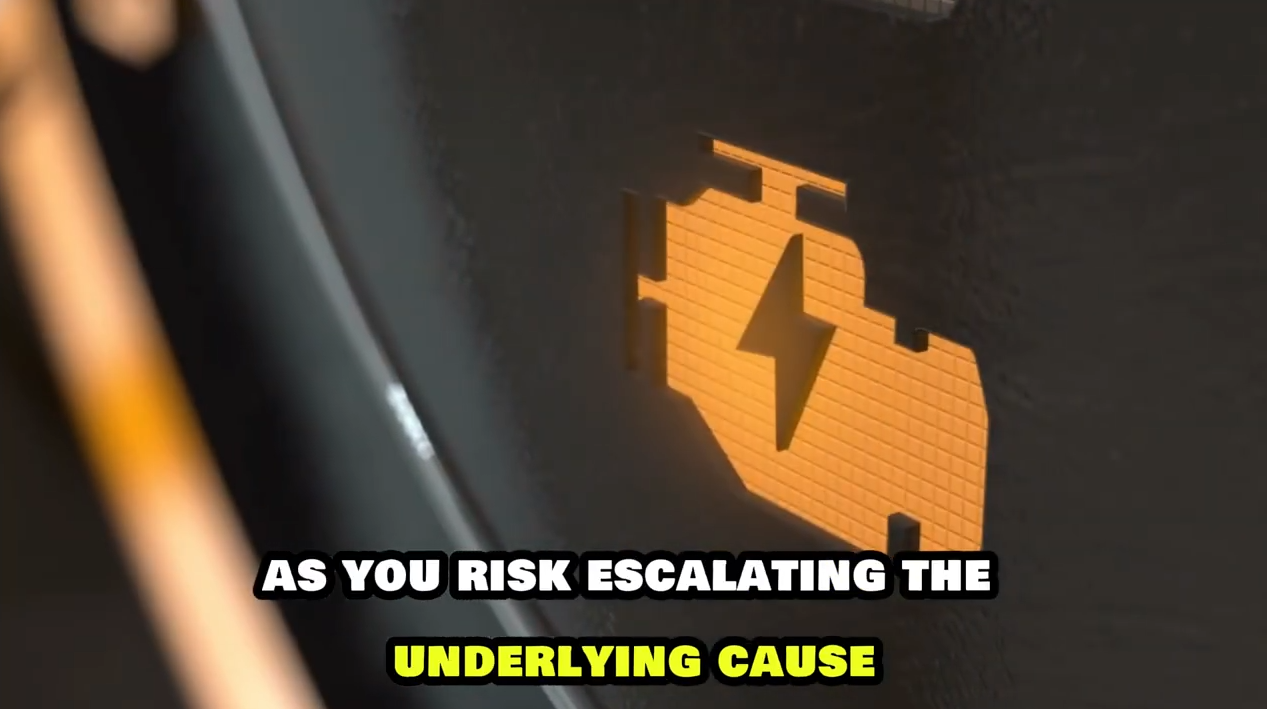

If either flags, check the inlet manifold, EGR cooler and DPF differential pressure with live data before replacing parts.
Blocked DPF means higher exhaust back-pressure and EGR strain
A partially blocked DPF raises exhaust back-pressure. Higher back-pressure changes EGR flow dynamics and can force the EGR valve to stick or the EGR cooler to overheat. When P2002 appears alongside P0401 you are seeing the exhaust system stressing itself.
Practical check: measure differential pressure across the DPF at idle and under a gentle load; if pressure jumps dramatically above 200–300 mbar under light throttle, stop driving and book a diagnostic. Continued driving risks limp mode or a failed forced regen.


Common fault codes and live-data checks
Watch for P0401, P049B and P2002, plus erratic EGR position readings and abnormal NOx or differential pressure traces. On Range Rover L322 TDV6 or L405 SDV6, EGR position should move smoothly from 0 to its commanded angle; stuttering or long delays means carbon or a failing position sensor.
Live-data diagnostics are decisive: check EGR commanded vs actual percentage, DPF inlet/outlet pressure in mbar, and NOx sensor voltages during a gentle road test. A combined live-data session typically takes 60–90 minutes to rule in or out the root cause.


A 30+ minute motorway run at least every fortnight helps passive regen and reduces soot build-up in both EGR and DPF.
Why replacing only the DPF or EGR usually fails
Replace a DPF and leave a sticking EGR: the new DPF will block again within months because the inlet still pumps soot into the exhaust. Replace an EGR but leave a fouled DPF: poor regen conditions persist and the EGR will re-carbonise fast. The inlet manifold is the common denominator.
The right fix is a root-cause approach: diagnose with live data, clean or replace the EGR cooler and inlet manifold, check DPF differential pressure sensors, then replace only the components that truly need it. That approach avoids repeat bills and wasted parts.

Prevention: simple habits and the right fluids
Drive for 30+ minutes at sustained motorway speeds at least once every fortnight to help passive DPF regeneration. On short urban runs, consider a planned run every 10–14 days to clear soot from the system.
Use quality diesel from major-brand stations and the correct low-SAPS engine oil specified for your model; poor fuel or wrong oil increases soot production. Also schedule a professional intake/EGR clean before the first DPF warning appears to avoid a cascade.

Replacing only the DPF or only the EGR while leaving the inlet coated guarantees repeat faults within months.
What a combined DPF/EGR diagnostic and repair looks like
A proper session includes live-data capture of EGR position, DPF differential pressures, NOx readings and a road test with forced-regen capability; this typically takes around 90 minutes for a full root-cause check on models such as Range Rover L322, Sport L494, Evoque and Discovery 4.
If cleaning is required we strip and chemically or ultrasonically clean the EGR valve and cooler, remove inlet manifold carbon, replace faulty position sensors or differential pressure sensors, then verify a successful regen in live data. Learn more about our combined emissions work on our Range Rover Euro 5/6 emissions issues service service page.
Typical diagnostic checks and timings
Live-data capture: 30 minutes. Physical inspection and sensor checks: 30 minutes. Inlet/EGR clean or parts swap: 60–180 minutes depending on model and access. Combined appointments let you avoid doing the job twice.
Safety, limp mode and when to stop driving
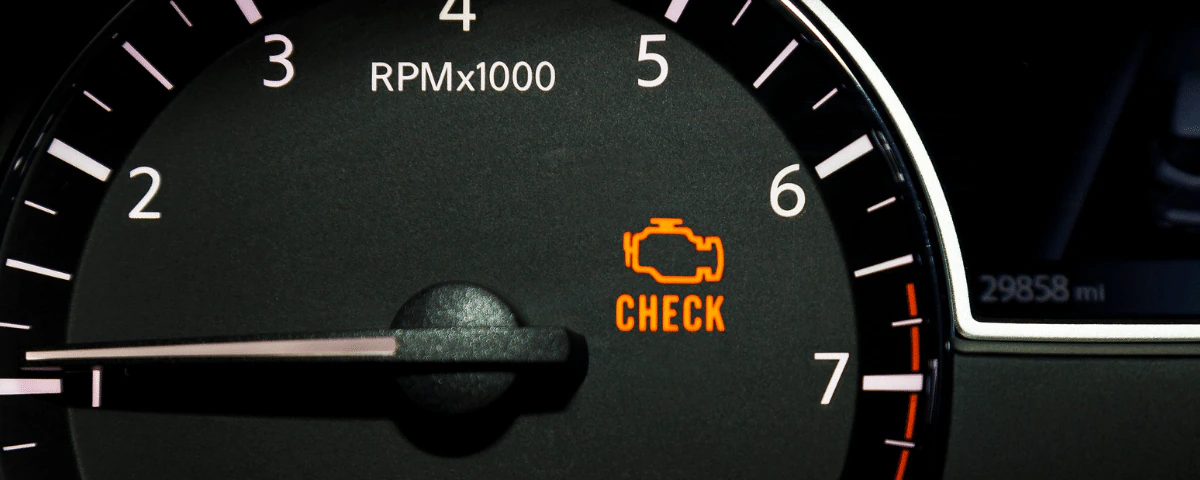
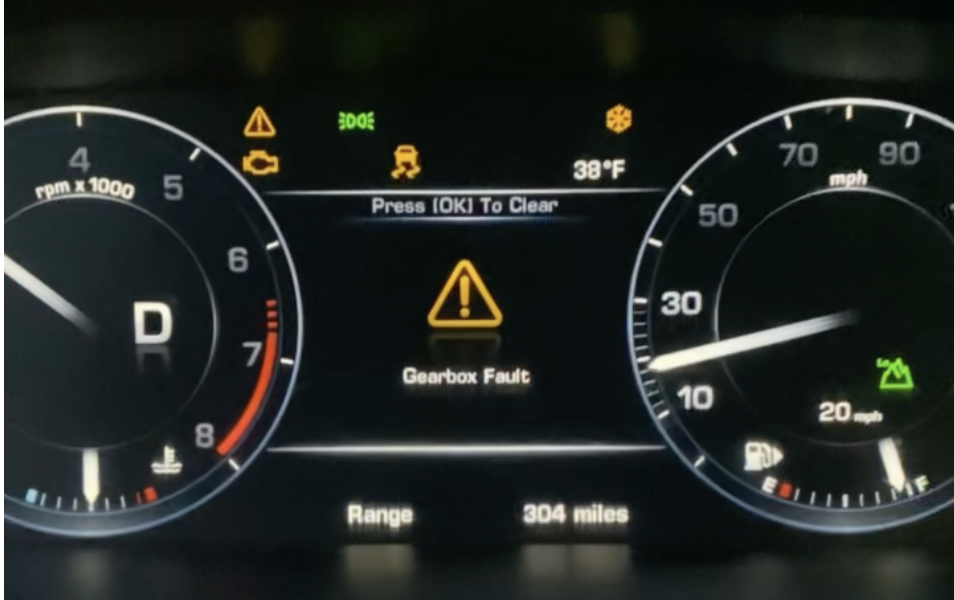
If both DPF and EGR warnings appear and the vehicle enters limp mode, drive home gently at moderate speed if you are close, then book a diagnostic. Continued hard driving risks forced regen failure or an irreparably blocked DPF which leads to expensive forced cleaning or replacement.
If you see rapid fill of soot counter, loss of power plus P2002 with P0401, stop driving and arrange recovery or a short gentle drive to a workshop. A timely combined diagnosis prevents escalation and the need for full DPF replacement.
Quick fault-code to check-action guide
| Fault code | What it means | Quick owner check / workshop action |
|---|---|---|
| P0401 | EGR flow insufficient | Check live EGR position %, clean EGR cooler and inlet manifold; inspect EGR position sensor (diagnostic 60–90 mins) |
| P049B | Exhaust gas flow insufficient | Check for EGR cooler restriction and DPF back-pressure; road test with pressure logging |
| P2002 | DPF efficiency below threshold | Measure differential pressure in mbar under load; force regen if pressure allows or perform combined clean |
Frequently Asked Questions
Why do DPF and EGR faults so often happen together on a Land Rover?
Is it safe to keep driving with both DPF and EGR warning lights on?
Why is fixing only the DPF or only the EGR usually a waste of money?
How can I prevent the DPF/EGR cascade in the first place?
Do you cover combined DPF/EGR diagnosis on Sport, Vogue, Velar, Evoque, Defender and Discovery?
Final Thoughts
If your Land Rover keeps returning DPF or EGR faults, treat it as a single emissions-system problem rather than two isolated failures. A fast live-data diagnostic and inlet/EGR clean prevents repeat bills and keeps your diesel running cleanly and reliably.
Book a combined DPF/EGR diagnostic
Call 01786 625624 to arrange a 90-minute combined DPF and EGR diagnostic; we document live data, parts and post-repair logs and operate from Alva Industrial Estate, FK12 5DQ with JLR-approved diagnostic equipment.
Sources
- Range Rover Euro 5/6 emissions issues service – Details of combined emissions diagnostics and servicing for Range Rover Euro 5/6 diesel models.