
Related on 4X4 Specialist
- DPF & EGR Faults on Land Rover – Why They’re Often Linked to the Same Root Cause
- DPF Cleaning vs Replacement on a Range Rover – Which Is Worth It?
- Read: Range Rover AdBlue Warning – ‘No Engine Restarts in X Miles’ Explained
→ Range Rover Euro 5/6 emissions repair · Browse our full Land Rover & Range Rover knowledge base
Land Rover Diesel EGR Valve Failure: Symptoms, Causes and What It Will Cost You
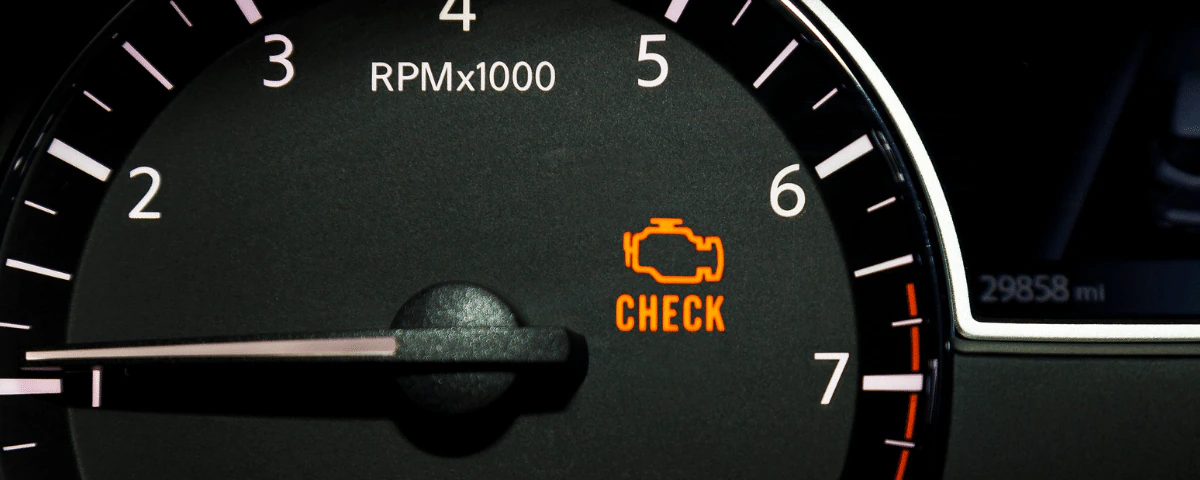
If your Land Rover diesel has gone rough at idle, spits black smoke under acceleration or just dropped power with the EML on, the EGR is one of the first places to look. A sticking EGR upsets the air-fuel mix and fills the inlet with carbon; on engines from the TD5 through TDV/SDV and the Ingenium family this quickly becomes a costly problem if ignored. This guide cuts straight to the checks, fault codes and realistic repair options so you can act with confidence.
Quick answer: what land rover diesel egr valve failure looks like
Short answer first: a stuck-open EGR gives rough idle, hesitation and black smoke; a stuck-closed unit raises combustion temperatures and NOx. Typical fault codes you will see on an OBD2 scan are P0401 (insufficient EGR flow) and P0403 (EGR circuit fault).
Practical check: if you have a Range Rover Sport L320, Discovery 4 SDV6 or a Defender TD5 and the engine falters at low revs when warm, log live EGR position with diagnostic kit; diagnostics typically take about 1 hour and will show whether the valve moves as commanded.

How the EGR valve works on Land Rover diesels
The EGR valve recirculates measured exhaust gas back into the inlet to reduce peak combustion temperatures and NOx emissions; you will find EGR systems on TD5, TDV6, SDV6/SDV8 and Ingenium diesels. Modern units use an actuator and a position sensor; some systems also include an EGR cooler (Ingenium, SDV variants).
If the valve cannot modulate correctly because of carbon, a failed actuator or a bad position sensor, engine management will record P0401 or P0403 and often trigger Reduced Engine Performance on the dash until the fault is addressed.
EGR cooler role
EGR coolers drop exhaust temperature before recirculation to reduce NOx. If a cooler develops an internal leak, coolant can enter the EGR and worsen carbon deposits, especially on Ingenium D and SDV6 engines where cooler units sit low in the circuit.


Black smoke under load and a rough idle when warm are prime clues to land rover diesel egr valve failure. Scan for P0401/P0403 and record live EGR position.
Common symptoms when the EGR is stuck open
Stuck open symptoms are obvious: rough idle, stalling at idle, black exhaust smoke under load and hesitation on acceleration; you will often see the EML and Reduced Engine Performance on Range Rover L322 TDV6, L405 SDV8 and Evoque Ingenium diesels.
DIY check: with the engine warm (post-30 minute motorway run) and a proper OBD live data view, you should see EGR position change with load. If position remains high at idle or spikes under throttle you likely have an EGR stuck open or an actuator stuck; log the behaviour and bring the live data to your technician.

Symptoms when the EGR is stuck closed
If the EGR stays closed you will see higher combustion temperatures and increased NOx at the tailpipe. This often shows as a NOx-related failure at MOT or a NOx sensor code, and intermittent EML events on TDV6, SDV6 and Ingenium engines.
A stuck-closed unit can also make the engine feel crisp but hotter; you might hear light knocking or detonation under high load on older TD5 or Puma engines. Over time the inlet manifold will still collect carbon from normal operation, just more slowly than with a stuck-open valve.
If you mostly drive short urban runs, do a 30-minute motorway drive fortnightly to burn soot and extend EGR life on TD5, TDV and Ingenium diesels.
Primary causes: carbon build-up, cooler failure and electrical faults
Number one cause is carbon and soot caking the valve and seats, driven by short journeys that never let the system reach temperatures high enough to burn deposits; this is especially common on TD5, TDV6, Freelander 2 TD4 and Ingenium diesels.
EGR cooler failure is the second major cause. When a cooler leaks, coolant enters the EGR chamber and turns soft carbon into a hard, cement-like deposit that often requires part replacement on SDV6/SDV8 and some Ingenium engines.
Electrical faults include failed actuator motors or bad position sensors; a faulty EGR position sensor will produce P0403 or similar electrical codes and leaves the ECU unable to confirm valve movement even if the mechanism is mechanically free.
Short trips accelerate failure
Regular city driving at low speed leaves soot in the EGR path. A fortnightly 30-minute motorway run is one of the simplest and most effective preventative steps you can take for TD5, TDV and Ingenium diesels.


Diagnostics: what your garage will check
Start with an OBD2 scan logging codes P0401 and P0403, then capture live EGR command versus actual position. For TDV6, SDV6 and Ingenium engines we test for movement under load and log inlet pressure differentials; diagnostics typically take about 1 hour.
Next is a visual inspection: inlet manifold and throttle body carbon, EGR cooler coolant residue, and electrical checks on the actuator and position sensor. If you are doing simple DIY checks, note whether the engine idles poorly when warm and whether an extended 30-minute motorway drive clears the symptom temporarily.
DIY checks you can do
With a scanner that shows live data, command the EGR and watch the actual position. No movement suggests actuator or wiring failure; movement with no flow points to internal carbon or a blocked cooler. Never force the valve by hand on modern electric-actuated units; that can damage the position sensor.
When to call a specialist
If you have recurring P0401, visible inlet carbon, coolant smell from the exhaust or EML plus Reduced Engine Performance, stop driving in heavy traffic and book a diagnostic. Persistent black smoke or a flashing EML requires immediate attention.
A clean can work if deposits are soft; coolant-welded carbon from a leaking EGR cooler usually requires valve or cooler replacement and extra labour.
Repair options and what affects cost
Options are cleaning, replacing the valve only, replacing valve plus cooler, or inlet manifold refurbishment if carbon is severe. A basic clean on a TD5 or early TDV6 can be done in a couple of hours; on SDV8 or L405 engines EGR cooler replacement and associated manifold work increases labour and parts complexity.
Cost drivers are access time, whether the cooler is leaking, and whether the inlet manifold or turbo has damage from carbon. We always inspect the inlet and test EGR flow before quoting; if your vehicle is Euro 5/6 Range Rover family, see our emissions issues service page for the specific diagnostics we run: Range Rover Euro 5/6 emissions issues.
Typical labour expectations
Diagnostics: ~1 hour. Cleaning: 1 to 3 hours depending on access. Valve replacement: 2 to 6 hours depending on model and whether the cooler or manifold needs removing. SDV8 and some Ingenium installations are at the higher end.
Parts choices
Use genuine JLR or OE-equivalent EGR valves and coolers; aftermarket budget units sometimes fail earlier. We document part numbers and post-fit diagnostics for traceability and warranty support.
Preventive maintenance to keep the EGR healthy
Drive at sustained motorway speeds for 30 minutes every one to two weeks to help burn off soot on TD5, TDV6 and Ingenium diesels. Use manufacturer-recommended low-SAPS oil for DPF-equipped cars and quality diesel from major brand forecourts to reduce soot production.
Book periodic EGR cleaning as part of your service if you do many short trips. Promptly address any EML or small EGR fault codes; small electrical or flow faults become large inlet and turbo jobs if they are ignored for thousands of miles.
EGR Service Options at a Glance
| Service | Typical Labour | When to Choose |
|---|---|---|
| Cleaning only | 1-3 hours | Soft carbon, mobile actuator, no cooler leak; TD5, early TDV6 |
| Valve replacement | 2-6 hours | Actuator/sensor failure or heavily coked valve; common on Ingenium and TDV6 |
| Valve + cooler replacement | 3-8 hours | Cooler leak or cemented deposits; SDV6/SDV8 and some Ingenium installs |
Frequently Asked Questions
What does EGR valve failure look like on a Land Rover diesel?
Is it safe to keep driving with EGR symptoms?
How much does EGR valve replacement cost on a Land Rover?
What are the most common causes of EGR valve failure?
How can I prevent EGR valve failure?
Do you cover EGR work on Sport, Vogue, Velar, Evoque, Defender and Discovery?
Will an independent specialist void my Land Rover warranty?
Where do I book an EGR diagnosis at 4X4 Specialist?
Final Thoughts
EGR valve faults are one of the most common diesel headaches but they are manageable if you act quickly. Spot black smoke, rough idle or P0401/P0403 early; a proper diagnostic and targeted clean or replacement will protect your inlet, turbo and DPF and save you money in the long run.
Book an EGR diagnostic
If your Land Rover is showing EGR symptoms we can log live EGR position, inspect the cooler, advise clean versus replacement and quote on the day. Diagnostics typically take an hour and we document all codes and part numbers for your records. Call us to book or discuss your vehicle.
Sources
- Technical reference material and workshop experience – Guidance on EGR symptoms and diagnostic codes useful for workshop diagnostics.