
Related on 4X4 Specialist
- Charging System Fault on Range Rover MHEV – What Does It Mean?
- DC-DC Converter Failure on Land Rover MHEV – Symptoms Before It Dies Completely
- Read: DC-DC Converter Replacement Cost on Range Rover – Dealer vs Specialist
→ Land Rover EV/PHEV/MHEV repair · Browse our full Land Rover & Range Rover knowledge base
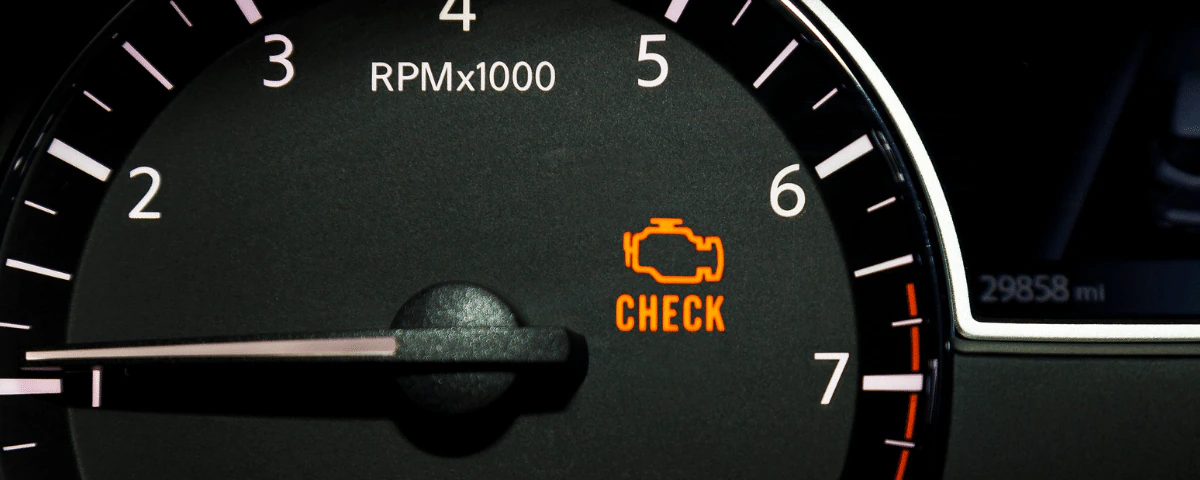
Range Rover Charging System Fault: The DC-DC Converter Explained
You see a ‘Charging System Fault’ on your Range Rover dash and the engine keeps running, but electronics start acting odd. In modern MHEV and PHEV Range Rovers that warning usually points at the DC-DC converter, not a conventional alternator. Read on for a clear, practical guide to what the DC-DC converter does, why it fails, quick checks you can do at the roadside, and when to get specialist JLR diagnostics.
Quick answer: what the ‘Charging System Fault’ actually means
Short answer: on MHEV and PHEV Range Rovers the ‘Charging System Fault’ usually means the DC-DC converter has stopped supplying the 12V system. The engine can run and high-voltage systems can be fine, while lights, infotainment and ECUs run from a depleting 12V battery.
Practical check: if the dash warns and your 12V items dim, park safely and measure the 12V battery at rest and with ignition on; if you see no rise toward charging voltage the DC-DC is likely at fault, not the engine-driven generator.

What is a DC-DC converter on Range Rover MHEV and PHEV systems
Function first: the DC-DC converter steps down high-voltage DC from the 48V battery on MHEV cars or the 400V+ traction battery on PHEV cars to a regulated 12V supply for the vehicle. There is no traditional alternator on these architectures; the DC-DC supplies the 12V battery and all conventional electrics.
Models and architectures: examples include Range Rover L405 and L460, Range Rover Sport L494/L461, Velar L560, Defender L663 MHEV, Evoque L551 PHEV/MHEV and Discovery variants; each uses a DC-DC module sized for its architecture.
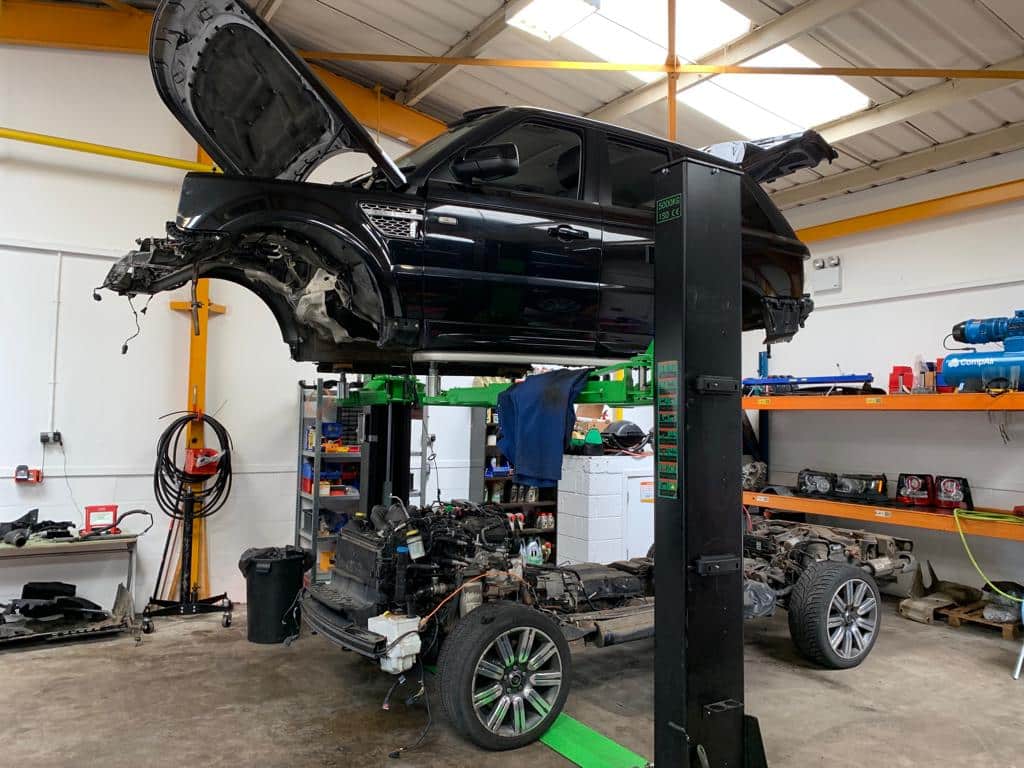

On MHEV/PHEV Range Rovers the DC-DC converter replaces the alternator; a Charging System Fault usually means the converter is not feeding the 12V system.
How the DC-DC converter integrates with 48V and high-voltage batteries
Integration: the DC-DC links the Generator Control Module and the vehicle CAN networks to manage 12V charging. On PHEVs the converter draws from the 400V traction pack; on MHEVs it draws from a 48V battery and beltless motor/generator system.
Operational detail: the DC-DC reacts to state-of-charge requests from the vehicle; if the 12V battery is low the converter will deliver high inrush current to restore charge, which is why a chronically weak 12V battery stresses the converter.


Symptoms of DC-DC converter failure and the ‘Charging System Fault’
What you will see: sudden dash warning ‘Charging System Fault’, slow dimming lights, infotainment reboots, intermittent ECU errors, or the 12V battery flattening over a few drives. The engine and hybrid drive may continue to operate normally while 12V systems fail.
Roadside checks: measure static 12V battery voltage (12.4 to 12.7V healthy at rest). With the vehicle awake you should see the voltage rise toward charging levels; if it stays at or falls below resting voltage, the DC-DC is probably not charging even though the vehicle runs.
A tired 12V battery is the most common root cause; test battery state-of-health before ordering a converter.
Common causes of range rover charging system fault dc dc converter
Top causes: a weak or flat 12V battery causing repeated converter overcurrent, cooling failures leading to overheating, HV input wiring corrosion or poor connectors, and early MHEV software bugs needing module updates. Internal component age failure like capacitors or power transistors is less common but happens with time.
Failure cascade: a tired 12V battery forces the DC-DC into sustained heavy output every start, creating higher temperatures and stress; if the DC-DC cooling pump or airflow is blocked, that heat kills the module faster.

Diagnosing a DC-DC fault: what a specialist does
Short procedure: a trained technician uses JLR diagnostic tools to read live data, check Generator Control Module messages, monitor DC-DC current and temperature, and rule out a low 12V battery masquerading as converter failure. Some failures show no DTCs; live-data monitoring is essential.
Practical steps you can ask for: battery state-of-health test, live voltage/current trace, HV connector inspection, cooling circuit pressure/flow check, and software revision check. If you want an EV-trained specialist, our Land Rover EV and hybrid repair specialist service is set up for full DC-DC diagnostics and repair for JLR hybrid models.
Why dealers and independents need JLR tools
JLR-specific tools identify Generator Control Module faults and tell whether the DC-DC is being instructed correctly by the vehicle. Generic readers often miss live-data nuances and can misdiagnose a failing 12V battery as a converter fault.
Blockages, air locks or pump faults in the converter cooling circuit will overheat and kill the unit.
Repair, prevention and warranty considerations
Repair choices: replacement of the DC-DC module is common; some units are repairable by specialist electronics shops but replacement with an OE-equivalent unit protects vehicle integration. Labour varies by model but most JLR architectures give reasonable access, so workshop time is moderate.
Preventive care and warranty: replace the 12V battery around 4 years to reduce converter stress, keep the DC-DC cooling circuit serviced, and apply JLR module updates for early MHEV cars. UK Block Exemption allows independent certified work during warranty when OE-equivalent parts are used and documented, so your warranty need not be voided by independent repair.
When to call a specialist
If the dash shows ‘Charging System Fault’ and your 12V voltage does not recover, or if you experience repeated failures after a 12V replacement, book a full HV-trained diagnostic so we can confirm DC-DC failure before ordering parts.
Model differences and special notes
Not every Range Rover uses the same converter. Examples: Range Rover L405 and L460 P400e/P510e use traction-battery-fed DC-DCs, Defender L663 uses a 48V MHEV converter on D300/D350 mild-hybrid variants, and Evoque L551 P300e uses a compact high-voltage-fed converter. Access, cooling layout and part numbers vary by model and year.
Software notes: early MHEV models sometimes needed module updates to prevent false DC-DC faults; if you have a 2018-2020 MHEV car ask for software revision checks as part of diagnosis. Always confirm the exact VIN and module part numbers before ordering a replacement.
JLR live data is essential; no-DTC failures are common, so insist on live-voltage and current traces during diagnosis.
Symptoms, Likely Cause and Owner Action
| Symptom | Likely Cause | Owner Action |
|---|---|---|
| Charging System Fault with dimming lights | DC-DC not supplying 12V or 12V battery weak | Measure 12V resting and live; drive to garage with minimal electrical load |
| No diagnostic codes but 12V not charging | DC-DC internal failure or CAN comms issue | Book JLR live-data diagnosis with HV-trained technician |
| Repeated converter failures after battery replacement | Cooling issue or software causing stress | Inspect cooling circuit, update modules, check for air locks |
Frequently Asked Questions
What does the DC-DC converter actually do on a Range Rover?
Is it safe to drive with a ‘Charging System Fault’?
What are the most common causes of DC-DC converter failure?
How can I prevent DC-DC converter failure?
Where do I book a DC-DC diagnosis at 4X4 Specialist?
Final Thoughts
A ‘Charging System Fault’ on a Range Rover is not a mystery once you understand the DC-DC converter’s job. Early checks for a tired 12V battery, cooling faults and wiring corrosion save money and stress. If you see the warning, get a live-data JLR diagnosis so the right fix is done first time.
Book a DC-DC diagnosis
If your Range Rover shows a charging warning, book an HV-trained diagnostic so we can confirm whether the DC-DC converter or the 12V battery is at fault.
Sources
- 4×4 Specialist Land Rover EV and hybrid repair specialist – Workshop information on hybrid and EV diagnostics and DC-DC work.