
Related on 4X4 Specialist
- Can You Replace Just One Tyre on a Range Rover AWD? – What You Need to Know
- Range Rover Tyre Pressure Warning – TPMS Fault vs Actual Puncture
- Read: Range Rover Vibration at Speed – Could It Be the Tyres or Something Else?
→ independent Range Rover specialist · Browse our full Land Rover & Range Rover knowledge base

Range Rover pothole tyre damage replace vs repair: a practical guide
You hit a pothole, felt the thud and now you are staring at a tyre wondering if it is safe. For Range Rover owners the key split is simple: sidewall eggs and visible cord mean replace, small tread punctures can sometimes be repaired to BS AU 159 standard. This guide walks you through the checks to make, common signs of wheel or suspension damage on models from Sport and Velar to Evoque and Defender, and the immediate steps to stay safe.
Short answer: replace vs repair, fast
If you see a sidewall bulge or egg, visible cord, a cut through the sidewall, a puncture in the shoulder area, or any run-flat that has been driven on after a strike, replace the tyre immediately; these indicate internal belt or carcass damage and risk sudden failure.
Repair is only appropriate for small punctures in the central tread area, fitted and inspected by a qualified tyre fitter to BS AU 159 standards; on an AWD Range Rover you may also need a matching pair to avoid differential wear if tread depths differ significantly.

How potholes damage tyres: bulges, cuts and punctures
A blunt, high-energy hit can break cords inside the tyre carcass and force the belt to separate; the first visible sign is a bulge or egg on the sidewall, which always means replacement because the tyre can delaminate without warning.
Sharp-edged potholes often slice the shoulder or sidewall; any cord exposure or sidewall puncture is non-repairable. Low-profile tyres on 20-, 21- or 22-inch wheels have less sidewall to absorb impact, so models like Sport and Velar with 22-inch wheels are especially at risk.


If you spot an ‘egg’ or see cords through the sidewall, replace the tyre; these failures can be sudden and dangerous.
Tread punctures and the BS AU 159 repair rules
Only central tread punctures that fit within the puncture size limits and show no internal cord damage are repairable, and repairs must meet BS AU 159 using a combined plug-patch technique; shoulder and sidewall repairs are prohibited.
If a puncture is repaired, have the tyre removed and inspected from the inside; a surface plug you can see from the outside is not sufficient for a safe repair on any Range Rover, particularly on run-flat tyres or tyres fitted to an AWD vehicle where matching tread depth matters.


Wheel rim damage, buckling and vibrations
Rim buckles and dents from a pothole can cause vibration at speed and poor tyre seating; inspect the rim for hairline cracks, joints that have split or a visible dent in the drop centre, and note that some alloy straightening shops can repair bent rims where there are no cracks.
If you feel a vibration only at higher speeds after the hit, suspect a buckled rim or an internal tyre delamination; a four-wheel balance and a road test after straightening or replacement will confirm the fix.
When wheel straightening is acceptable
Straightening is an option for single-sided dents on non-cracked aluminium rims, typically carried out on a machine that measures run-out; if the rim flange or bead area is fractured you must replace the wheel to ensure tyre seating and TPMS integrity.
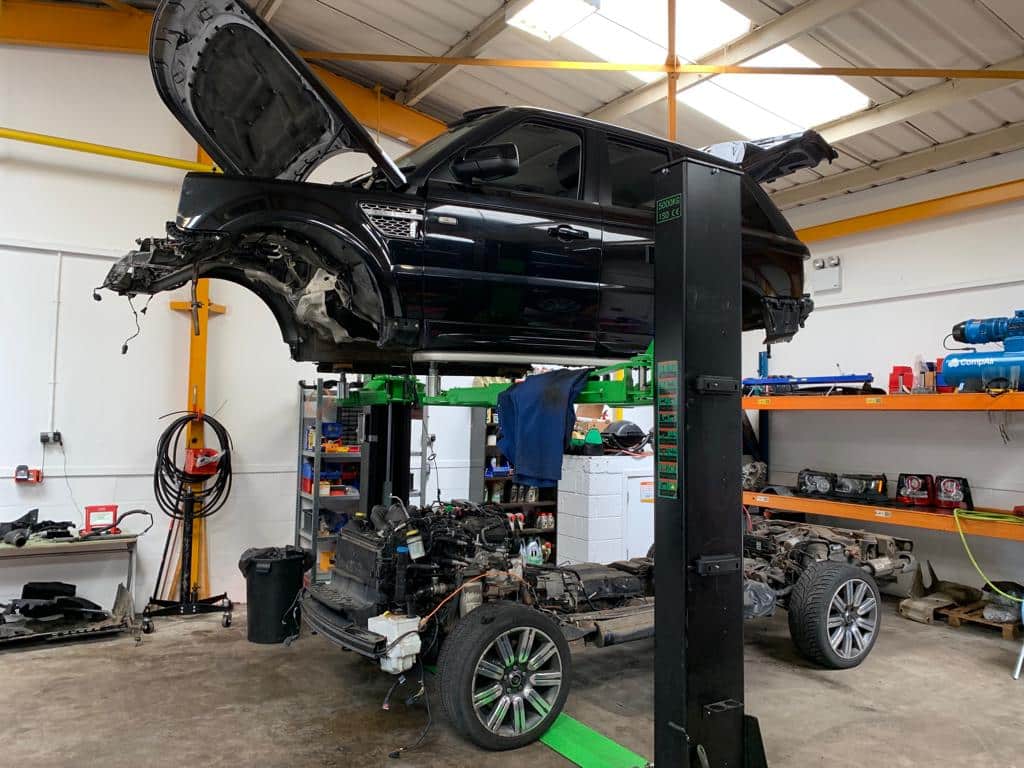
Only central tread punctures repaired to BS AU 159 by a qualified fitter are acceptable; shoulder and sidewall repairs are prohibited.
Suspension, steering and air suspension issues to look for
If the steering pulls to one side after the impact, get a four-wheel alignment; the impact can bend a lower control arm, knock a track rod end or move a steering rack, which will increase tyre wear if left unchecked.
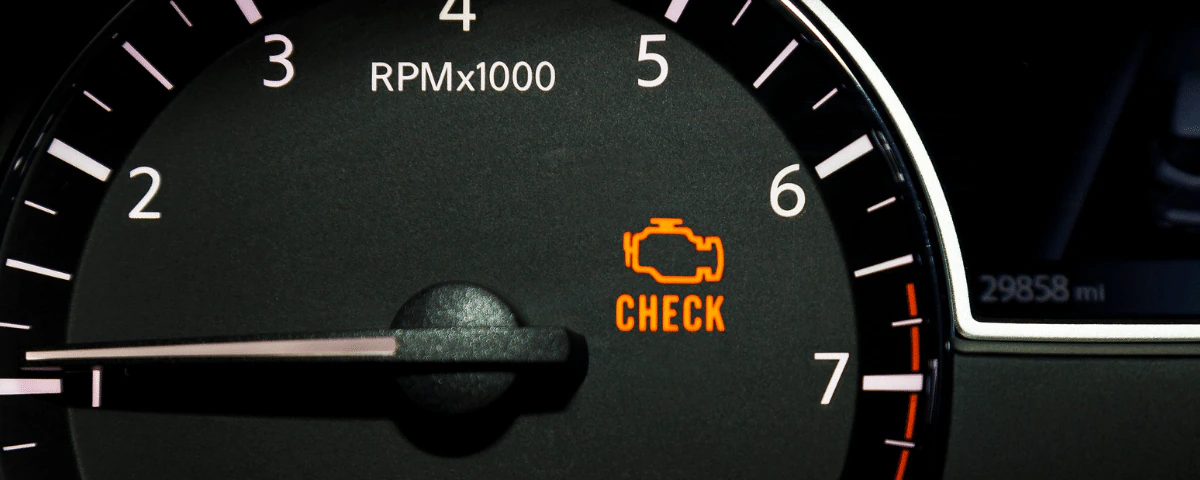
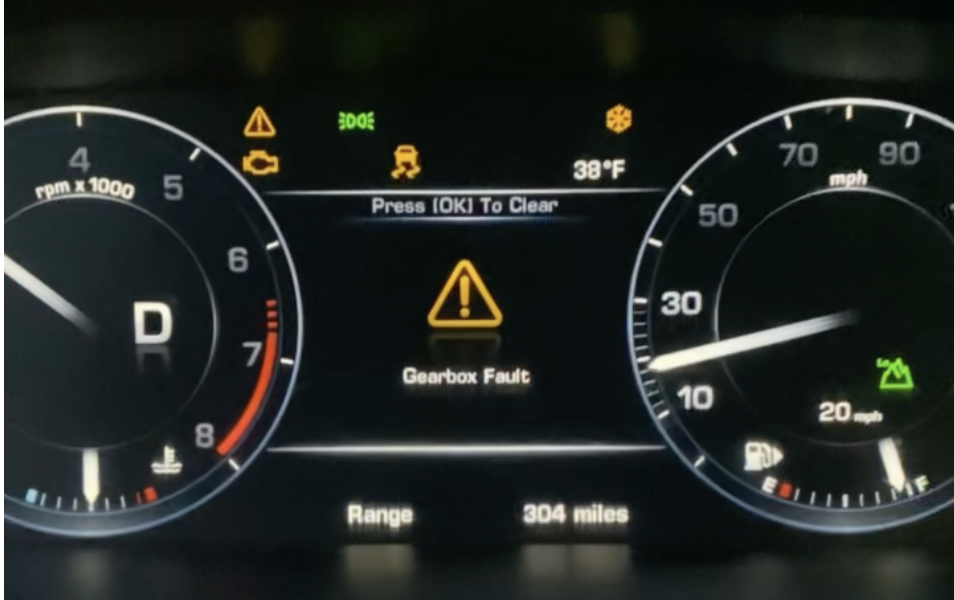
Range Rover air suspension is vulnerable to pothole damage: height sensor faults, ruptured air springs and damaged air lines can trigger warnings; any air suspension light should prompt an electronic scan and physical inspection of the air springs and sensors.
Electronics and ADAS knock-on effects
A hard hit can damage wheel-speed sensors and trigger ABS or stability control warnings; ADAS cameras and radar do not usually get struck by potholes but alignment drift can affect lane-keeping and adaptive cruise performance, so include a diagnostic scan after significant impacts.

Quick checks you can do safely at the roadside
Park safely off the road and check tyre pressures against the placard on the driver door or the owner handbook; under-inflated tyres transmit more force to the rim and increase the chance of rim damage.
Run your hand along the sidewall looking for soft spots or bumps, inspect the bead area for cuts or cord, and check the alloy edge for dents; if you detect a bulge, low pressure that continues to drop, or visible cord, do not drive at speed, swap to a spare and get it replaced.
Noise and handling checks
On a short, slow drive post-inspection listen for clunks over bumps and check for new vibrations or steering pull; both are reasons to stop and have a four-wheel alignment and suspension check as bent arms and damaged dampers often present this way.


Steering pull, vibrations, ABS or air suspension warnings need a lift, scan and alignment before returning to high-speed driving.
Replace vs repair decision tree
Immediate replace if: sidewall bulge/egg; sidewall cut or split; cord or ply visible; shoulder puncture; run-flat driven on after the strike. Repair only if: central tread puncture within allowable size and inspected internally to BS AU 159 by a competent fitter.
When in doubt, replace. On AWD Range Rovers you may need to replace tyres in axle-matched pairs to keep rolling circumference within safe limits; always record the tyre serial and fitment position in case you are claiming costs from the local authority.
When to call a specialist and claiming pothole costs
Call a specialist if you find a bulge, rim crack, persistent vibration, steering pull, an air suspension warning light, or an ABS/DSC fault after the impact; these symptoms require a workshop lift, a scan and a four-wheel alignment to put right.
If the pothole was on a public road, keep photos, a location note and repair receipts; many local councils accept liability for damage caused by unfilled potholes, so retain invoices and exact tyre/wheel details when you make a claim.
Quick replace vs repair summary
| Damage | Repairable? | Recommended action |
|---|---|---|
| Sidewall bulge / egg | No | Replace tyre immediately |
| Sidewall cut or cord exposed | No | Replace tyre; inspect wheel |
| Central tread puncture within limits | Sometimes | Remove tyre, internal inspection, BS AU 159 plug-patch repair by qualified fitter |
| Run-flat driven on after impact | No | Replace tyre regardless of visible condition |
| Buckled rim with no crack | Sometimes | Straighten where safe; balance and road-test |
Frequently Asked Questions
After hitting a pothole, when do I need to replace vs repair the tyre?
What are the warning signs my pothole hit caused damage beyond the tyre?
How much does pothole damage repair typically cost on a Range Rover?
What are the most common causes of severe pothole damage?
Does pothole damage affect air suspension or ADAS?
Final Thoughts
A pothole strike on your Range Rover is unsettling but the decision is straightforward when you know what to look for: sidewall eggs, cord and run-flat damage mean replace; small central tread punctures may be repaired to BS AU 159. Inspect wheels, check for vibrations, and get a scan and four-wheel alignment where symptoms appear. When in doubt, replace the tyre and sort the rest in the workshop; it is the safest route.
Book a post-pothole inspection
If you want a same-week lift, scan and alignment after a pothole strike, call 01786 625624 or visit our Range Rover air suspension repairs page to book an inspection. We handle air suspension faults, wheel straightening checks and full post-impact diagnostics from our Alva workshop.
Sources
- Monroe technical resources – Overview of air suspension function and vulnerabilities
- Guidance on Land Rover air suspension repairs – Workshop air suspension and post-impact repair services