
Related on 4X4 Specialist
- Can You Replace Just One Tyre on a Range Rover AWD? – What You Need to Know
- Pothole Damage on a Range Rover – When to Replace vs Repair a Tyre
- Read: Range Rover Vibration at Speed – Could It Be the Tyres or Something Else?
→ independent Range Rover specialist · Browse our full Land Rover & Range Rover knowledge base
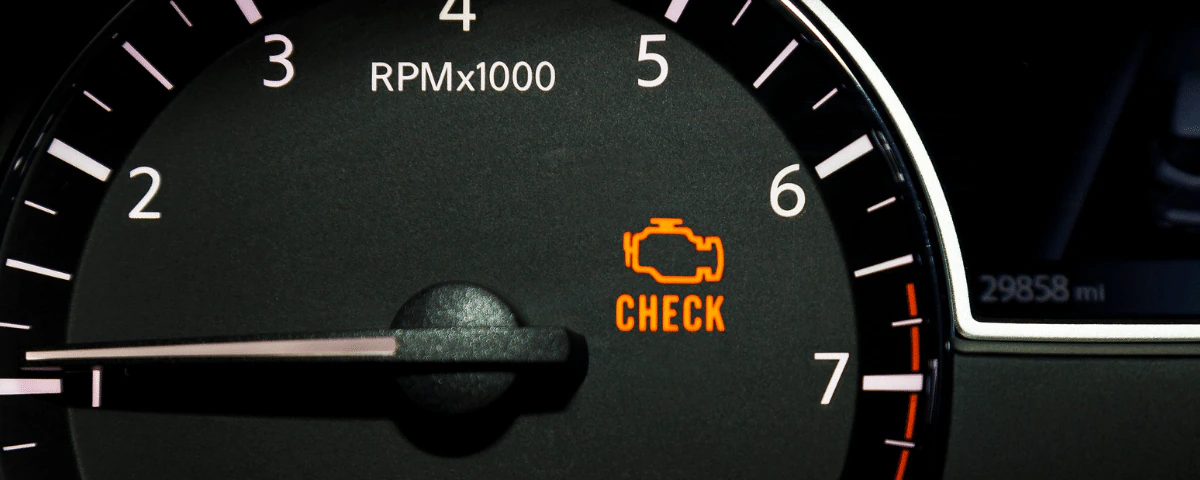
Range Rover TPMS Fault vs Puncture: How to Tell Which Is Triggering Your Tyre Pressure Warning
You see the tyre pressure light on your Range Rover and your heart sinks. Is it a nail in the tyre or a dead TPMS sensor? Think clearly: one is a safety risk you must fix now, the other still needs attention so you do not lose monitoring capability. This piece gives a short answer, a home check you can do in 10 minutes, and clear criteria to decide whether to book diagnostics or a tyre repair.
Quick answer: range rover tpms fault vs puncture
Short answer first: check pressures with a reliable gauge before assuming a TPMS failure; that manual check takes under 10 minutes and avoids unnecessary parts costs. A genuine puncture normally shows one wheel low on the gauge; a TPMS sensor fault often leaves all four tyres at the correct pressure while the dash warns.
On Range Rover models from L322 to L460 the TPMS light behaviour helps you decide: a flashing light that then settles to solid commonly indicates a TPMS Fault; a steady low-pressure light accompanied by an in-car readout naming a wheel usually means a puncture or slow leak.

How Range Rover TPMS works in practice
Range Rovers use a direct TPMS system with one sensor mounted at each wheel valve; that includes Sport, Vogue, Evoque, Velar, Defender and Discovery models. Each sensor transmits pressure and battery status to the vehicle ECU so diagnostic tools can read individual sensor IDs on L405 and L460 platforms.
Sensor battery life is finite, typically 5 to 7 years depending on mileage and climate. When a single sensor battery dies you will often see that wheel report zero or dashes on a scan tool while the other three read normally.


Always use a reliable digital gauge and check all four tyre pressures against the door placard before assuming a TPMS fault; it takes under 10 minutes and saves time and money.
Symptoms: puncture versus TPMS sensor fault
Slow puncture signs: pressure on one wheel falls over days or weeks, tyre feels softer at low speed, and visual inspection often shows an embedded nail or bolt. Slow leaks are usually traceable to a single wheel; repairing a puncture per tyre-industry rules often takes 20–40 minutes for a professional patch or plug.
Sensor-fault signs: you get a warning with all tyres reading correctly on a manual gauge, warnings spike in cold weather because batteries lose output at low temperature, and the message may read ‘TPMS Fault’ rather than naming a low tyre. On vehicles with sensors older than 5 years, a dead battery is the most common cause.

Step-by-step home diagnostic: what you can do now
Step 1, manual pressure check: use a good digital gauge and check all four tyres against the door placard pressure for your model; this takes 5–10 minutes. If one tyre reads clearly low, inflate to the placard pressure and watch the wheel for re-loss over 24–48 hours to confirm a slow puncture.
Step 2, visual and simple checks: look for nails, cuts, or sidewall damage; check the valve cap and valve stem for corrosion common on older L322 alloys; swap to a full-size spare if fitted and see if the warning changes. If pressures are correct but the light persists, a TPMS sensor or the module likely needs scanning.
Quick reset attempts
Some Range Rover models auto-reset after you correct pressures and drive; try a 10–20 minute run at 30–40 mph. If the light stays on, manual relearn via the instrument menu or a diagnostic tool is required; do not attempt sensor cloning without the right programmer.

Expect more TPMS warnings in cold months because sensor batteries lose output; seasonal pressure adjustment is normal.
Distinguishing warning messages on the dash
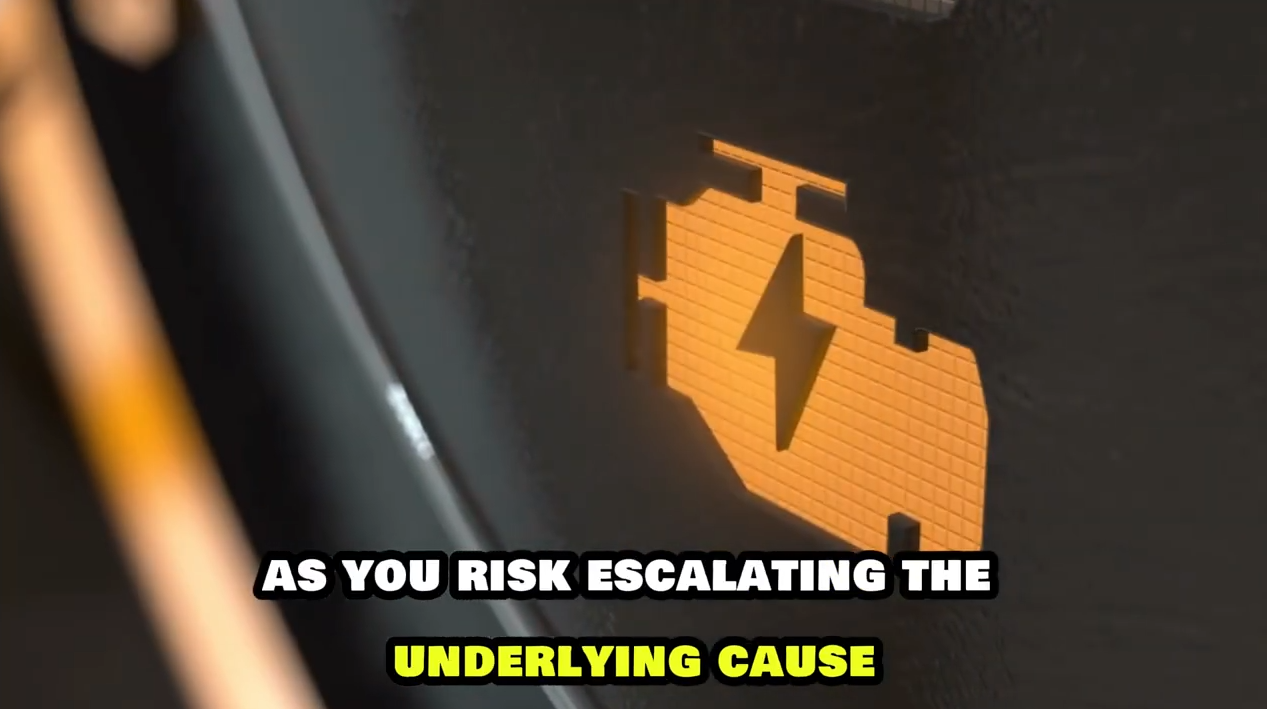
Pay attention to wording: ‘Tyre Pressure Low’ or a named wheel is almost always a real pressure loss; this is the message you must fix immediately to avoid blowout risk. If the light simply reads ‘TPMS Fault’ or you see a flashing light that settles, the system flags communication or sensor issues rather than an immediate pressure danger.
On L405 and later models the infotainment system or instrument cluster can show the offending sensor ID; reading those codes with a diagnostic tool takes 10–30 minutes and confirms whether a sensor reports battery low, no signal, or erratic pressure values.

Common causes and practical fixes
Top causes: small punctures, seasonal pressure changes (approx 1 psi per 10°F or 5.6°C), dead sensor batteries after 5–7 years, non-programmed aftermarket sensors fitted at generic tyre shops, damaged valve stems, or rarely TPMS module faults. Each cause has a normal fix and a typical time to fix.
Fixes and ballpark costs: a professional puncture repair when permitted usually costs under £30 and takes 20–40 minutes. TPMS sensor replacement including coding or cloning to a Range Rover typically ranges from £80 to £180 per sensor with 30–60 minutes labour. After tyre replacement or rotation, expect a 10–30 minute relearn or a short diagnostic session if auto-reset does not occur.
A dedicated diagnostic read of each sensor confirms battery health and communication faults quickly; this prevents needless sensor replacements.
When to call a specialist and use diagnostics
Call a pro if the warning persists despite correct pressures, if a sensor ID reads zero on a scan, or if you cannot find a visible cause; a JLR-capable diagnostic will read each sensor’s ID, battery state and fault codes in under 30 minutes. Persistent TPMS fault with good pressures usually points to a dead sensor battery, damaged valve, or module issue that needs programming or replacement.
If you want a fast, definite answer book a TPMS diagnostic session; we run JLR diagnostic equipment to confirm individual sensor status and complete sensor coding or cloning where needed. Learn more about our Range Rover diagnostics service at https://4×4-specialists.com/range-rover-diagnostics/.
TPMS Fault vs Puncture at a Glance
| Aspect | TPMS Fault | Puncture / Slow Leak |
|---|---|---|
| Dash behaviour | Flashing then steady, or ‘TPMS Fault’ message | ‘Tyre Pressure Low’ or named wheel displayed |
| Manual gauge reading | All four tyres at correct pressure | One tyre reads significantly low |
| Typical cause | Dead sensor battery (5–7 years), non-programmed sensor, valve damage | Nail, screw, valve core leak, rim damage |
| Time to diagnose | 10–30 minutes with a scan tool | 5–48 hours to confirm slow leak; repair 20–40 minutes |
| Typical cost | £80–£180 per sensor including coding | Repair under £30 if patchable; tyre replacement varies |
Frequently Asked Questions
How do I tell if my Range Rover TPMS warning is a real puncture or a sensor fault?
What are the warning signs of a TPMS sensor failure vs a slow puncture?
How much does it cost to fix a TPMS sensor vs a puncture?
Can I prevent TPMS issues?
Does a TPMS fault affect air suspension or ADAS?
Final Thoughts
A simple manual gauge check separates most punctures from sensor faults in under 10 minutes. If pressures are correct but the warning remains, a TPMS sensor, valve or module needs a diagnostic read and likely programming or replacement. Treat any ‘Tyre Pressure Low’ message as urgent; treat ‘TPMS Fault’ as something you must fix promptly so you do not lose tyre monitoring.
Book a TPMS diagnostic with 4X4 Specialist
If you want a definitive read of each sensor, coding or a same-day fix call us on 01786 625624 or visit our diagnostics page. Our Alva workshop, FK12 5DQ, is about 30 minutes from Stirling and most TPMS checks take under an hour.
Sources
- YouTube TPMS tutorial – Video demonstration of TPMS behaviour and sensor replacement
- Land Rover Forums discussion – Owner experiences describing TPMS fault messages and fixes
- YouTube TPMS diagnostic guide – Walkthrough of TPMS sensor diagnosis with scan tools
- Landroverworld forum thread – Forum thread on identifying TPMS faults vs tyre leaks