
Related on 4X4 Specialist
- Discovery Sport MHEV Fault – 48V Battery Issues & What It Costs to Fix
- Why Does My Range Rover Keep Killing Its 12V Battery? MHEV Explained
- Read: Charging System Fault on Range Rover MHEV – What Does It Mean?
→ Land Rover EV/PHEV/MHEV repair · Browse our full Land Rover & Range Rover knowledge base

MHEV 48V Battery Offline: Causes, Diagnosis and Repair for Range Rover Owners
You see ’48V Battery Offline’ on the dash and the stop-start has disappeared. That message means the vehicle has intentionally isolated the 48V hybrid pack to protect the car, but it does not tell you why. Read on for a short answer, simple checks you can do at home, the fault codes your technician will look for, and realistic repair paths so you know what to expect.
What ‘mhev 48v battery offline’ actually means
Short answer: the MHEV control module has electrically isolated the 48V battery from the rest of the vehicle because it detected a fault. The isolation can be triggered by cell voltage imbalance, over-temperature, insulation/isolation faults, or loss of communication with the Battery Energy Control Module, BECM.
Detailed detail: when isolated you lose stop-start, 48V boost and regenerative charge. The combustion engine runs normally; fuel economy and acceleration feel different. A manufacturer-level diagnostic tool is required to read the precise isolation reason and the BECM event that forced it offline.

Common symptoms and on-car behaviour
Typical symptoms: ’48V Battery Offline’ or ’48V System Fault’ messages, stop-start disabled, reduced regen and a ‘limited mode’ or reduced performance lamp. You may also see codes like U0111 (loss of comms with BECM), or DC-DC related faults P0A94-49 and P0D33-11 logged in the system.
What you will feel: slower torque fill on acceleration, the engine revving more at idle, and audible charging attempts from the rear of the engine bay. The car will still drive on combustion power; however expect reduced fuel economy.
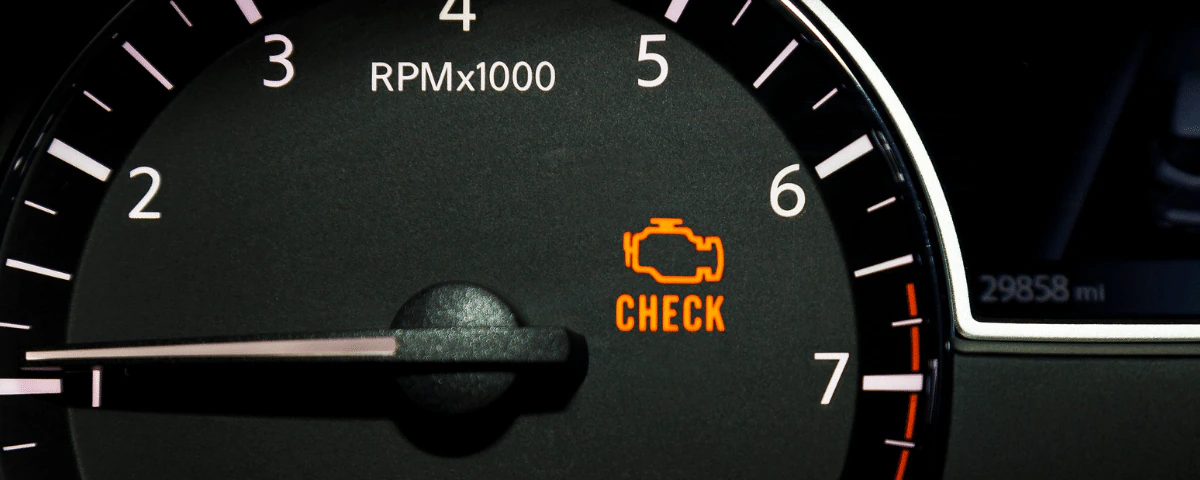

A 12V AGM test, a visual check for coolant and a 10 minute battery disconnect will resolve or rule out the cheapest causes in many cases.
Top causes you should know
Weak 12V AGM battery is the single most common trigger; if the 12V falls below about 12.2V during key-on routines the 48V system can report false isolation. Replace the 12V AGM if resting voltage is under 12.2V or if cranking voltage drops below 10V.
Cell imbalance within the 48V pack, particularly when one cell differs by more than 0.5V, forces a BMS isolation. Cooling circuit faults, such as air-locks or pump failure, cause over-temperature isolation. Wiring chafe, connector corrosion or continuity worse than 0.5 ohm at 48V terminals prevents proper charging and can provoke isolation.


Quick checks you can do before booking a specialist
Check the 12V resting voltage with a multimeter: 12.6V is healthy, below 12.2V is weak. If low, fit a smart charger and re-test after a full charge; a 12V swap is quick and often fixes false 48V offline warnings. Disconnecting the 12V and 48V for around 10 minutes can clear temporary BMS glitches before you book a diagnostic.
Visual checks: look for coolant pooling at the rear of the engine bay, broken or crushed coolant pipes to the 48V pack, and any green or white powder at connectors that indicates corrosion. Never open or touch high-voltage connectors; leave insulation and live testing to HV-trained technicians.
Manufacturer-level BECM data and insulation testing identify the exact isolation reason; generic OBD scanners often miss the key fault.
Why JLR diagnostics are essential
Generic OBD-II scanners often miss BECM events and the exact isolation cause. JLR diagnostic tools give live cell voltages, the BECM isolation code and will show U0111 when the MHEV ECU has lost communication. Many 20-22MY Range Rover and Range Rover Sport cars required BECM software updates to cure intermittent comms.
A technician will also run insulation and continuity tests: acceptable continuity at 48V terminals is typically below 0.5 ohm. The workshop will log BECM events, check DC-DC converter efficiency and currents, and verify if codes P0A94-49 or P0D33-11 are present and repeatable.


Repair paths and typical timescales
Simple fixes: 12V AGM swap and BMS reset is fast, typically 0.5 to 1 hour in the workshop. A software reflash of the BECM takes around 0.5 to 1 hour and often resolves comms-related isolation on affected 2020 to 2022 models.
Moderate to major repairs: DC-DC converter repair or replacement, 48V cooling pump and sensor replacement, or wiring repairs usually take 1 to 4 hours depending on access. A complete 48V battery pack replacement is the most expensive job and can require several hours to dismantle, code and test; this is reserved for packs showing irreversible cell faults or insulation failure.
Driving the car weekly and using a smart charger while stored prevents cell imbalance and false 48V offline events.
Preventive maintenance to avoid ’48V Battery Offline’
Keep the 12V AGM healthy: test it annually and fit a manufacturer-spec AGM when needed. If you store the vehicle for more than two weeks, put the 12V on a smart charger; this prevents low 12V voltage which commonly causes false isolation events.
Drive the car regularly so the 48V system cycles and cells stay balanced; occasional steady motorway runs of 20 to 40 minutes are useful. Ask your workshop to check the 48V cooling circuit and apply BECM software updates as part of any diagnostic visit.

When to stop driving and call for specialist help
You can usually drive short distances with the 48V offline, but pull over and seek assistance if you see a red high-voltage warning, a ‘Stop Vehicle’ message, smoke, a chemical electrical smell, or visible coolant leaking from the rear of the engine bay. These are immediate safety reasons to stop.
For anything else, gather the dash messages and approximate time the fault appeared, then book a JLR-level diagnostic. If you need specialist 48V MHEV work in central Scotland we offer Land Rover EV and hybrid repairs and full BECM diagnostics.
Common Causes, Typical Labour and Repair Scale
| Cause | Typical Labour | Repair Cost Scale |
|---|---|---|
| Weak 12V AGM | 0.5 to 1 hour | Low (battery £90-£180) |
| BECM software update | 0.5 to 1 hour | Low (diagnostic fee £60-£120) |
| DC-DC converter fault | 1 to 3 hours | Medium (£600-£1,500 estimated) |
| Cooling pump / sensor / air-lock | 1 to 4 hours | Medium (£200-£700 estimated) |
| 48V battery pack replacement | Several hours | High (£3,000+ depending on model) |
Frequently Asked Questions
What does ’48V Battery Offline’ actually mean on a Range Rover MHEV?
Is it safe to drive with the 48V battery offline?
How much does it cost to fix a 48V battery offline fault?
What are the most common causes of 48V battery offline?
How can I prevent the 48V battery from going offline?
Do you cover 48V battery offline faults on Sport, Vogue, Velar, Defender and Discovery?
Will an independent specialist void my warranty by working on the 48V system?
Where do I book a 48V system diagnosis at 4X4 Specialist?
Final Thoughts
A ‘mhev 48v battery offline’ message can look scary, but most cases are diagnosable without replacing the entire pack. Start with basic 12V checks, visual inspections and a 10 minute restart, then move to a JLR-level diagnostic to find the exact BECM isolation reason. With the right test data you avoid unnecessary parts and get the car back to full hybrid function sooner.
Book a 48V system diagnostic
If your Range Rover shows ’48V Battery Offline’ book a focused BECM diagnostic so we can identify the isolation reason, test insulation and advise on the right repair path.
Sources
- NHTSA TSB PDF – Technical service bulletin with BECM notes and mitigation
- AMIBA Power troubleshooting guide – Notes on cell imbalance and common 48V pack behaviours
- STS Parts DC-DC repair reference – Practical reference for DC-DC converter faults and repair