
Related on 4X4 Specialist
- All-Terrain Tyres on a Range Rover – What You Gain & What You Give Up
- Best Tyres for a Range Rover – Michelin vs Pirelli vs Continental Compared
- How Long Should Range Rover Tyres Last? – What’s Normal & What’s Not
→ Range Rover & Land Rover diagnostics · Browse our full Land Rover & Range Rover knowledge base

Range Rover Run Flat Tyres: Worth Keeping or Time to Switch?
You notice the stiff ride, you see the ZP or RFT stamped on the tyre sidewall, and you wonder if run-flats are worth the trade-off. Short answer: it depends on how and where you drive. This guide gives straight facts – puncture range, cost premium, ride impact and a clear checklist to switch safely if you want a softer ride and lower running bills.
Short answer first
Short answer: range rover run flat tyres worth it for some owners, not for others. Run-flats let you drive roughly 50 miles at around 50 mph after a loss of pressure, avoiding a roadside wheel change. They cost 20 to 35 percent more per tyre and often deliver a firmer ride because of reinforced sidewalls.
Decide by use: if you tow heavy trailers, do long motorway runs or need to avoid changing wheels on the hard shoulder, keep them. If you want a softer ride, lower tyre bills and wider tyre choice, switching to standard tyres usually makes sense.

What run-flat tyres are and how they work
Run-flat tyres use reinforced sidewalls so the tyre supports the vehicle after a puncture. Practical limit: about 50 miles at reduced speed; that normally gets you to a garage or safe lay-by.
They remove the need for a spare wheel on many Range Rovers, saving boot space and a few kilograms. However the reinforced carcass increases rolling resistance and weight, which impacts economy and NVH.
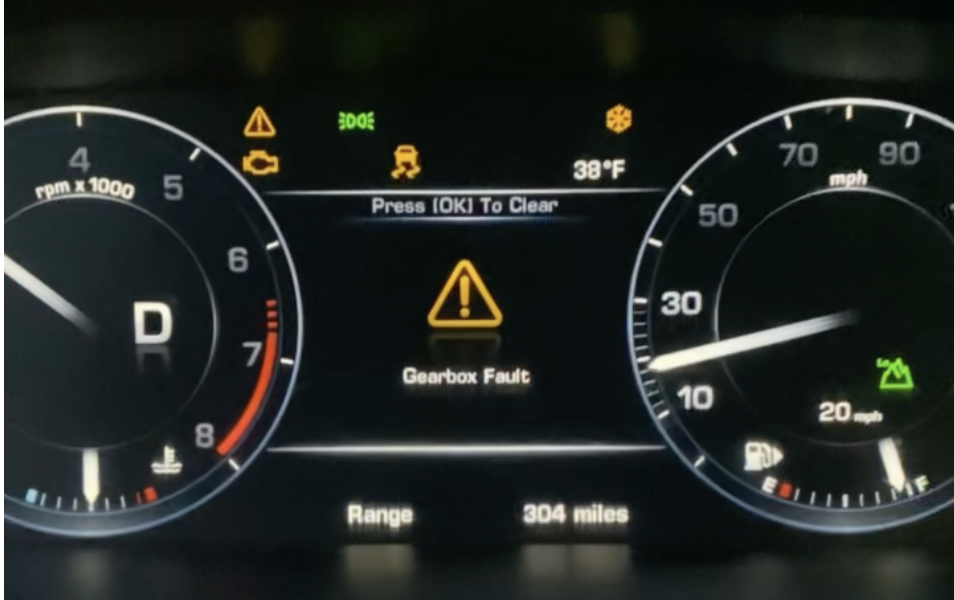

Run-flats give roadside peace of mind and remove the need for a spare, but switching to standard tyres usually gives a noticeably softer ride and lower tyre bills.
Pros of sticking with OE run-flats
Safety and convenience: you avoid changing a wheel at the roadside. On a long A-road or motorway stint this can be the difference between a safe finish and a risky roadside change, particularly with alloy wheels and heavy tow loads.
Fitment compatibility: full-size Range Rover (L405/L460) and Range Rover Sport (L494/L320) commonly left the factory with run-flats. Keeping OE-type tyres means no rolling-radius or load-rating rechecks for systems that expect the factory diameter.


Cons that make many owners switch
Ride quality is routinely firmer, because the stiff sidewalls transmit more road texture into the cabin. Owners commonly report a noticeable comfort gain when moving to standard tyres on the same wheel size.
Cost and repairability: run-flats often cost 20 to 35 percent more per tyre. Most punctures on run-flats are considered non-repairable, so you frequently replace a tyre rather than repair it. Expect earlier tread wear in some fitments, possibly up to around 6,000 miles sooner in harsh fitments.

Always keep overall rolling radius and load rating identical when moving from run-flat to standard to preserve handling, TPMS and air-suspension behaviour.
Run-flat vs standard on paper and on the road
Comfort: standard tyres win. Expect a softer ride and often quieter cabin. Tread life: many standard compounds outlast run-flats depending on brand; some owners see 4,000 to 6,000 miles extra life on standard equivalents.
Economy and availability: run-flats add weight and rolling resistance, typically shaving 1 to 2 percent from fuel economy. They can also be harder to source in some low-profile, wide Range Rover sizes; standard tyres give you a wider market and usually lower replacement prices.
How to identify run-flats and match replacements
Check the sidewall for markings: ZP (Michelin), RFT or EMT (Pirelli/Goodyear), SSR (Continental), ROF (some Goodyear), DSST (Dunlop). JLR factory-fit tyres often carry an OE marking too. Markings are definitive for identification before removing a tyre from the rim.
When replacing any tyre, keep the same overall rolling radius and load rating. That preserves handling, ABS and stability calibration; for example a 255/55R20 must be swapped for an equivalent 255/55R20 load-rated tyre, not a narrower or lower-profile option without recalibration.
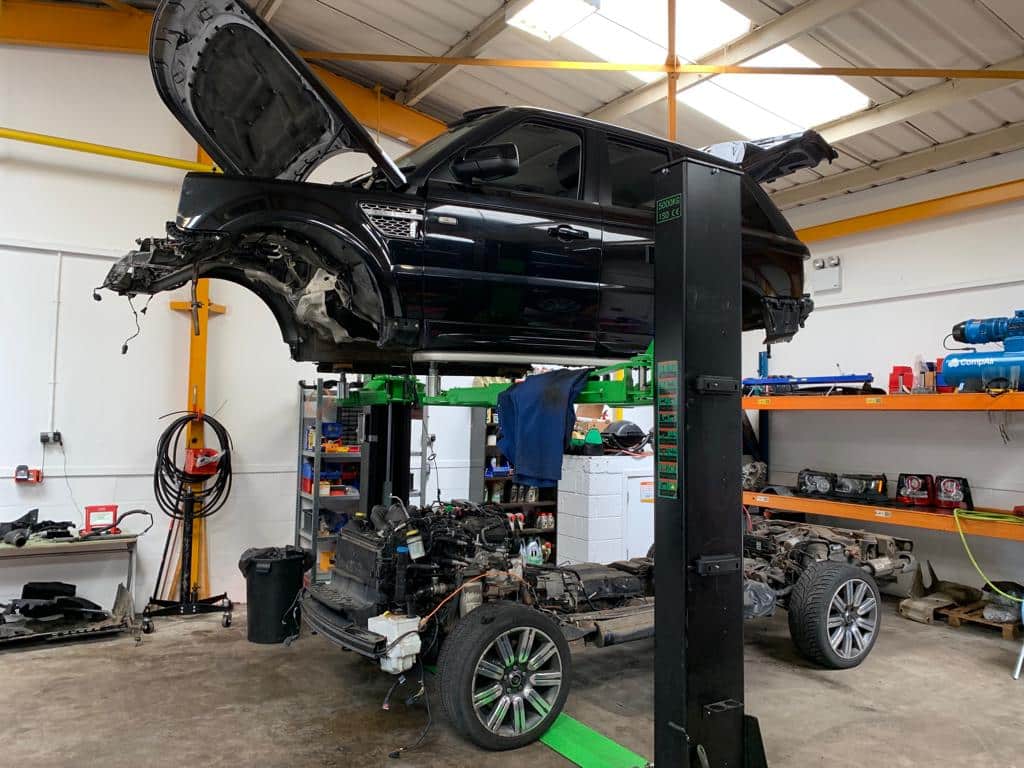
If you remove run-flats, equip the vehicle with a quality tyre-repair kit and ensure robust breakdown cover; most Range Rovers left the factory without a spare wheel.
Step-by-step: switching from run-flats to standard tyres
Step 1, confirm fitment: record current tyre size, load index and speed rating from the sidewall or VIN. Step 2, pick a standard tyre with the same overall rolling radius and equal or higher load rating; this keeps ESP, ABS and ride-height software happy.
Step 3, prepare for no spare: most Range Rovers lack a spare, so carry a competent tyre-repair kit and ensure you have roadside breakdown cover. Step 4, fit and rebalance, then reset the TPMS; many systems require a relearn drive cycle or an active reset with a diagnostic tool.
Practical checks you can do at home
Check the sidewall markings and measure tread depth. If you see RFT, ZP or SSR you have run-flats. Verify spare space in the boot; if there is no space for a full-size spare, plan for a sealant kit and robust breakdown cover.

TPMS, air suspension and ADAS: what changes
TPMS sensors do not care whether the tyre is run-flat or standard, they read pressure. After any tyre change the TPMS usually needs a relearn cycle or active reset; we handle this with JLR diagnostic tools. Also check wheel torque: wheel nuts should be torqued to the factory setting, typically 175 Nm for many Range Rover wheel types, but confirm for your wheel.
Air suspension is unaffected provided the rolling radius remains the same. If you switch to a tyre with a different overall diameter, ride height readings and level sensors can be thrown off; for a post-switch air suspension check and any recalibration consult our repair guidance at Range Rover air suspension repairs.
When to keep run-flats, and when to call a specialist
Keep run-flats if you regularly tow, cover long motorway miles, or dislike roadside wheel changes. If you do mostly urban or B-road driving and value a quieter, softer ride, switching to standard tyres usually delivers a noticeable comfort gain and lower running costs.
Call a specialist when you need exact tyre-equivalent recommendations for your VIN, TPMS recalibration, or an air-suspension check post-change. If you want help matching load ratings and rolling radius we can advise and fit the tyres correctly.
Run-flat vs Standard Tyres – Quick Comparison
| Feature | Run-flat | Standard tyre |
|---|---|---|
| Ride comfort | Firmer; reinforced sidewalls transmit more road texture | Softer; wider compound choice and better compliance |
| Puncture outcome | Drive up to ~50 miles at reduced speed; most punctures are non-repairable | Often repairable depending on damage location; cheaper to repair |
| Cost | Typically 20-35% more per tyre; higher replacement frequency in some fitments | Lower initial cost; often longer tread life |
| Availability | Limited in some low-profile/large sizes; brand-limited selection | Wider market choice and easier to source |
| Impact on vehicle systems | Keep factory rolling radius to avoid recalibration; TPMS unaffected but needs relearn | Same rules: match diameter and load rating; TPMS relearn required |
Frequently Asked Questions
Are run-flat tyres on a Range Rover actually worth keeping?
How do I tell if my Range Rover has run-flats fitted?
How much do run-flat tyres cost versus standard equivalents?
Can I switch from run-flats to standard tyres on my Range Rover?
Does switching tyre type affect air suspension or TPMS?
Final Thoughts
There is no one-size-fits-all answer to range rover run flat tyres worth it. Keep run-flats for peace of mind on long runs or towing. Switch to standard tyres for better comfort, wider choice and lower running costs, but do it correctly: match rolling radius and load rating, carry a repair kit, and reset TPMS. Make the choice based on your miles, roads and how much you value comfort over roadside convenience.
Need help deciding or booking a tyre swap?
If you want hands-on advice for your VIN, TPMS recalibration or an air-suspension check after switching tyres, call us or visit our air suspension repairs page to book. We’ll confirm equivalent standard sizes, handle the fitment and recalibrate systems.
Sources
- KBB Run-Flat Guide – Overview of run-flat performance and typical drive distance after puncture
- Tires Easy Run-flat Pros and Cons – Pricing and availability comparison for run-flat tyres
- State Farm run-flat summary – Notes on repairability and wear differences between run-flat and standard tyres
- Armormax note on fuel economy – Explanation of run-flat weight and rolling resistance impacts on fuel economy