
Related on 4X4 Specialist
- Range Rover PHEV Battery Repair vs Replacement – What Are Your Options?
- Discovery Sport MHEV Fault – 48V Battery Issues & What It Costs to Fix
- How Long Does a Range Rover P400e Battery Last & What Does Replacement Cost?
→ Land Rover EV/PHEV/MHEV repair · Browse our full Land Rover & Range Rover knowledge base

Range Rover PHEV Battery Degradation: What to Expect and When to Replace
Noticing your P400e, P440e or P510e losing its electric miles can be unsettling. In plain terms, range rover phev battery degradation is usually gradual: expect 2–3% usable capacity loss per year under typical UK use, with many packs lasting 8–12 years or 100,000–150,000 miles. This guide tells you what that looks like in the car, simple checks you can do, and when a module-level repair makes more sense than a full pack swap.
Short answer: How bad is range rover phev battery degradation?
Short answer first, then detail: most Range Rover PHEV packs keep useful capacity for 8–12 years or roughly 100,000–150,000 miles; expect around 2–3% capacity loss per year on P400e, P440e and P510e examples in UK conditions.
What you will feel in daily life: a new Range Rover PHEV with about 30 miles of EV range will typically drop to 25–27 miles by year five, while the car will simply run the petrol engine more often without immediate safety risk.

Why PHEV batteries age differently to full EV packs
PHEV packs are smaller than full BEV batteries, so they cycle more frequently; typical PHEV chemistry will tolerate 4,000–8,000 full-equivalent cycles before noticeable aging, meaning PHEV packs see more intensive cycling on a daily commute in a P400e (L405) or P510e (L460).
Thermal management matters: older-generation PHEVs often lack active liquid cooling found on modern BEVs, so packs on vehicles left parked in summer heat or exposed to wide temperature swings age faster; sustained ambient temperatures above 35°C are particularly harmful to long-term capacity.
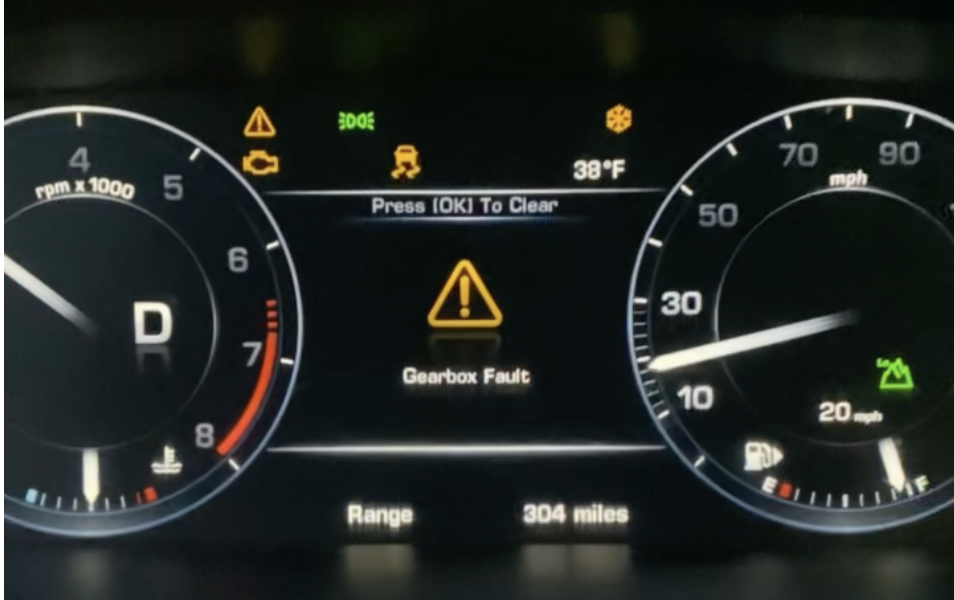

Log EV miles from a full charge; if you lose more than 5% in a year book an SOH test.
Common signs of accelerated range rover phev battery degradation
Symptom checklist: steady drop in EV range (30 miles to mid-20s), repeated hybrid warning light, longer-than-normal recharge times, or the car defaulting to the petrol engine more often on a P440e (L460).
What to watch for in numbers: a state-of-health (SOH) under 80% at 5–7 years is a red flag; a sudden battery fault, unusual cell imbalance or HV-system warning requires immediate diagnostic attention as it can indicate a failing cell block rather than normal ageing.
Onboard clues you can read
Check the centre display for EV range and log a few full-charge to low-charge days; if usable range drops by more than 5% in a year that is accelerated-normal aging is nearer 2–3% annually on UK-driven PHEVs.


How to check Range Rover PHEV battery health yourself and professionally
Quick owner check: record EV range after a full charge, note ambient temperature, and repeat across a week; if range loss is rapid, get a state-of-health test that returns cell-block voltages and internal resistance values.
Professional check: a full SOH report with live cell-block data takes around an hour; we use HV-trained technicians and JLR-level diagnostic tools to read cell voltages, block balancing and SOC behaviour on P400e, P440e and P510e packs to diagnose whether a single module or the whole pack is affected.
What a report includes
Expect per-block voltages, internal resistance trends, overall SOH percentage, and a recommendation: monitor, module replacement, or full pack replacement; module-level swaps are often far cheaper than a dealer full-pack change.


Use an 80–90% daily charge limit, schedule charging to finish near departure, and avoid repeated 0–100% cycles.
Charging and storage habits that actually slow degradation
Use a daily charge window rather than topping to 100% every night: set the charge limit to 20–80% or 80–90% for everyday use on a Range Rover PHEV and reserve 100% for long trips; avoid repeated full 0–100% cycles which stress cells more than shallow cycling.
Schedule charging to finish close to departure time, avoid long periods parked at 100% or 0%, and if storing the car for more than a month leave the battery around 50%; these practices reduce calendar ageing and preserve usable capacity on P400e (L405) and P440e (L460) platforms.
Heat management and driving frequency
Drive the car regularly; battery management systems balance cells best in normal use. If you live somewhere exposed to heat, shade the car or park under cover as sustained high temperatures accelerate chemical degradation.
Repair vs replacement: when to spend and what to expect
Full-deck replacement at a main dealer typically runs well into five figures in pounds sterling for a pack swap, but most PHEV issues are module-specific: replacing one or two bad modules is commonly far cheaper and restores most usable capacity.
Warranty and timing: the HV battery often carries an eight-year warranty window; outside warranty we perform module-level diagnostics and can replace individual blocks, which keeps costs down while restoring SOH, especially on models like the Range Rover Sport P400e (L494) and Evoque P300e (L551).
When replacement is the right answer
If multiple adjacent modules show elevated internal resistance, or the SOH is low across the whole pack, a full pack swap may be the only sensible long-term fix; otherwise a module repair typically returns 70–95% of original usable capacity for a fraction of the dealer cost.
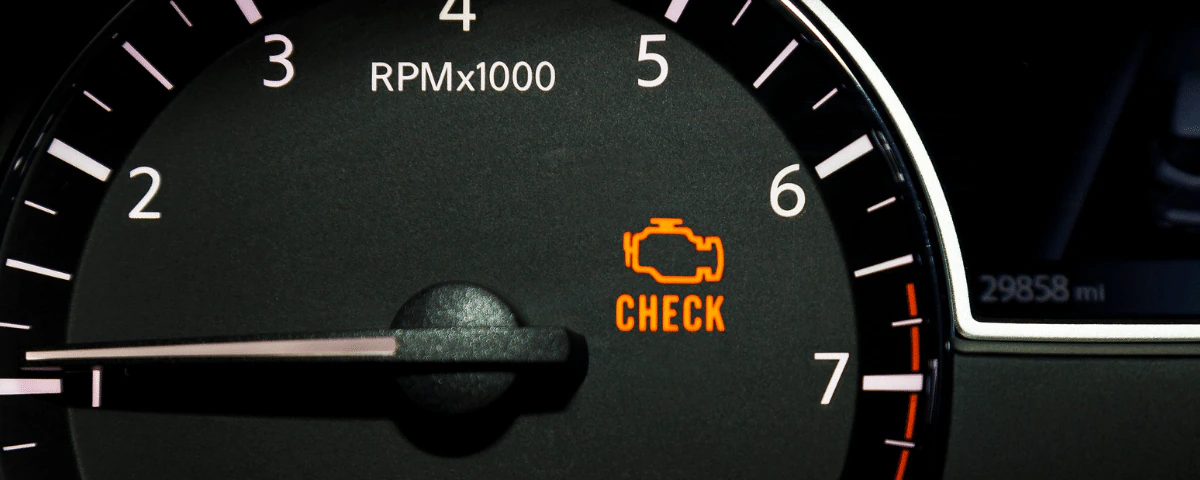

Most PHEV packs need one or two modules replacing, not a full-pack swap, which keeps costs far lower.
When to call a specialist and next steps
Call for a state-of-health check if you see a year-over-year EV range drop above 5%, hybrid warning lights, or imbalance warnings; these symptoms suggest accelerated degradation or a failing block rather than normal aging.
We recommend an annual SOH for any PHEV over three years old, and immediate diagnosis when the hybrid system flags a fault; module-level diagnosis and repair spare you the full-pack bill in many P400e and P510e cases.
Symptoms, Likely Cause, Recommended Action
| Symptom | Likely Cause | Recommended Action |
|---|---|---|
| Gradual 2–3% annual range loss | Normal calendar and cycle ageing | Monitor, continue 80–90% charging, annual SOH |
| Rapid >5% range loss in 12 months | Module degradation or poor charging habits | Book live cell-block SOH test |
| Hybrid warning light or cell imbalance | Failing cell block or internal short | Immediate diagnostic; possible module isolation |
| Very low SOH (<70%) across pack | Widespread cell aging | Consider full pack replacement |
Frequently Asked Questions
How much PHEV battery degradation is normal on a Range Rover?
Is it safe to keep driving a degraded PHEV battery?
How much does a Range Rover PHEV battery cost to replace?
How can I extend the life of my Range Rover PHEV battery?
Do you cover battery work on Sport, Velar and Evoque PHEVs?
Final Thoughts
Range rover phev battery degradation is usually slow and manageable. With sensible charging, regular SOH checks and early module-level repairs you can keep usable EV miles high and avoid an expensive full-pack swap. Spot abnormal loss early and you’ll almost always have cost-effective options.
Book a PHEV battery state-of-health check
If your P400e, P440e or P510e is losing range, book an hour-long SOH diagnostic. We provide cell-level reports, module-level repairs and honest advice. Find full details and book through our Land Rover EV and hybrid repair specialist page below. Our workshop is at Alva Industrial Estate, FK12 5DQ and we’re about 30 minutes from Stirling.
Sources
- topspeed.com PHEV battery lifespan overview – Summary of typical PHEV battery life and cycle information.
- insideevs.com ADAC PHEV battery health testing – Comparative testing showing different manufacturer degradation patterns.