
Related on 4X4 Specialist
- Defender 90 vs 110 vs 130 – Which Has the Fewest Reliability Issues?
- Land Rover Defender Ingenium Engine Problems – Timing Chain & Oil Dilution Explained
- Read: Discovery 5 Ingenium Diesel Timing Chain – Are the Updated Engines Better?
→ Land Rover Discovery servicing · Browse our full Land Rover & Range Rover knowledge base

New Land Rover Defender Common Problems – What to Watch Out For
If you own or are buying an L663 Defender, you need to know the fault patterns that show up in real use. From a worrying cold-start rattle on 2.0 Ingenium diesels to Pivi Pro reboots and air suspension niggles after hard off-road use, these are the practical defects you will actually encounter. Read the checks you can do immediately, what costs to expect, and when to stop driving before you risk catastrophic damage.
Timing chain failures on 2.0 Ingenium diesels
Short answer: A persistent cold-start rattle on 2.0 Ingenium diesel L663s can be the first sign of timing chain wear; if it lasts more than a few seconds you must stop and get it inspected. Model detail: 2.0 Ingenium engines fitted to early Defender 110 and 90 variants have shown this pattern, with some high-mileage examples failing as early as c.40,000 miles.
Why it matters and checks to run: Oil dilution from incomplete DPF regenerations accelerates guide wear, the plastic guides shed particles and can block the oil pickup. Practical checks you can do right now include: listen for rattle at cold start for longer than three seconds, check oil level and colour weekly, record short-trip usage and engine hours, and insist on low-SAPS oil at every service (service interval typically 10,000 miles or annually). When to call us: any sustained rattle, sudden oil pressure drop, or engine warning lamp.

Oil dilution and DPF regeneration issues
Short answer: Short urban trips prevent full DPF regeneration and allow unburnt fuel to dilute engine oil, which speeds up timing chain stretch and bearing wear on Ingenium diesels. Target model: L663 D300 and other diesel variants with the 2.0 Ingenium where DPF regen is frequent.
Practical steps: schedule a 25-40 minute sustained motorway run at least once a fortnight to allow full DPF regeneration, check oil weekly and change early if contaminated, and use the correct low-SAPS oil specified for your engine at every 10,000 mile or annual service. If you detect increased oil smell of diesel, high oil level or a fuel smell in the dipstick, book a diagnostic immediately.


A cold-start rattle on a 2.0 Ingenium diesel that lasts over a few seconds needs immediate inspection; it precedes catastrophic timing-chain damage.
Turbocharger problems and causes
Short answer: Turbo failure on 2.0 Ingenium diesels is usually downstream of poor oil quality or contamination; symptoms include lag, whining, increased smoke and oil consumption on a D300 or 2.0 petrol/diesel engine.
Checks and prevention: inspect for excessive blow-by, check oil feed and return pipes for leaks or restriction, and look for sudden turbo shaft play. If you run into oil pressure warnings or metallic noise after a cold start, stop and call for a workshop diagnosis. Regular oil changes and avoidance of diluted oil reduce the risk of turbo seizure.

Piston cooling oil jet solenoid and coolant leaks
Short answer: Coolant leaks at the thermostat housing can affect the piston cooling oil jet solenoid and reduce sump lubrication, a subtle fault that can accelerate engine wear on some L663 engines.
Owner checks and symptoms: look for milky oil on the dipstick, unexplained coolant loss around the thermostat housing, and intermittent oil pressure warnings. If you see coolant staining at the front of the engine or the thermostat housing is warm with an oily residue, book an inspection to avoid piston cooling disruption.
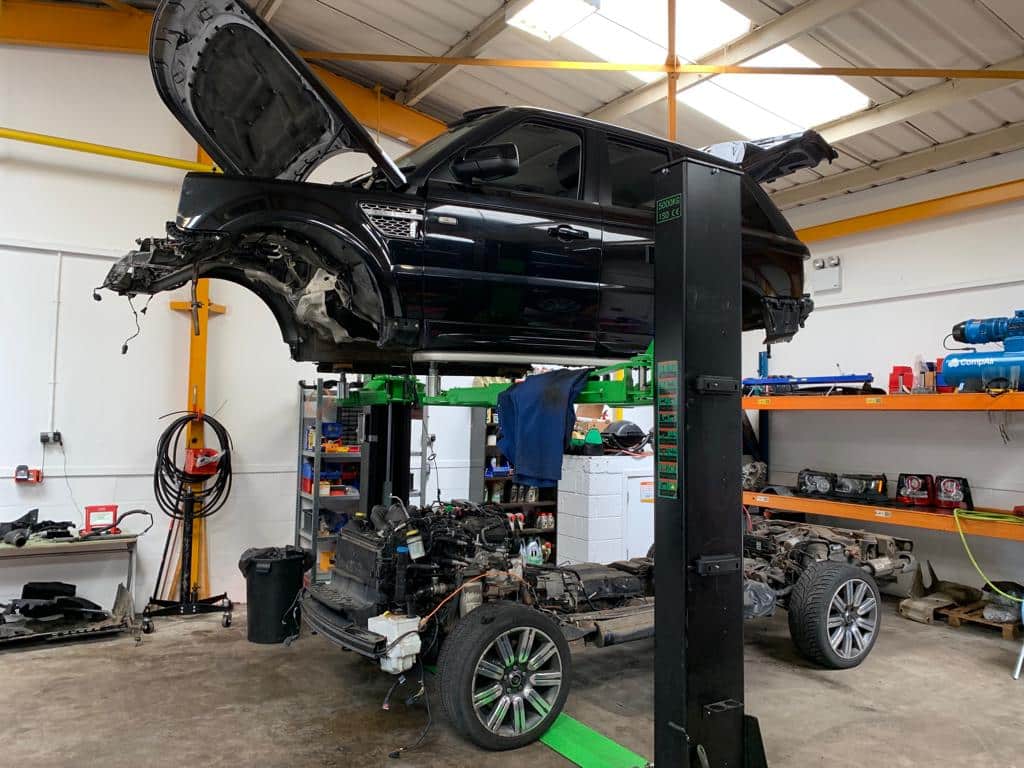

Do a 25-40 minute motorway run once a fortnight and insist on the correct low-SAPS oil at every service to reduce DPF-related oil contamination.
Air suspension faults: height sensors and compressor wear
Short answer: Air suspension fault codes on L663 Defenders usually point to height sensors or the compressor, especially after heavy off-road use on a Defender 110. Symptoms include sagging corner, compressor noise every few minutes, or warning lamps.
Practical checks and tips: test the car in level mode and watch the compressor run time, check for fault codes with a dealer-level scan tool, and inspect ride height sensors for damage on front lower arms. If a compressor is required, insist on OEM or genuine-spec replacement; aftermarket compressors can introduce new faults with the PSM control module.


Electrical niggles: 12V drain, 48V MHEV warnings and Pivi Pro glitches
Short answer: 12V battery drain can trigger spurious MHEV 48V warnings, and Pivi Pro infotainment reboots are the most commonly reported software issue on new Defenders. These are usually inconvenience-level but they can mask other faults.
Checks you can do: measure resting 12V battery voltage (should be c.12.6V fully charged), note if Pivi Pro reboots after software updates or USB use, and keep OTA updates accepted. For P400e PHEV owners, watch for charging port communication errors during plug-in; a diagnostic will capture fault codes for the inverter and battery management system.
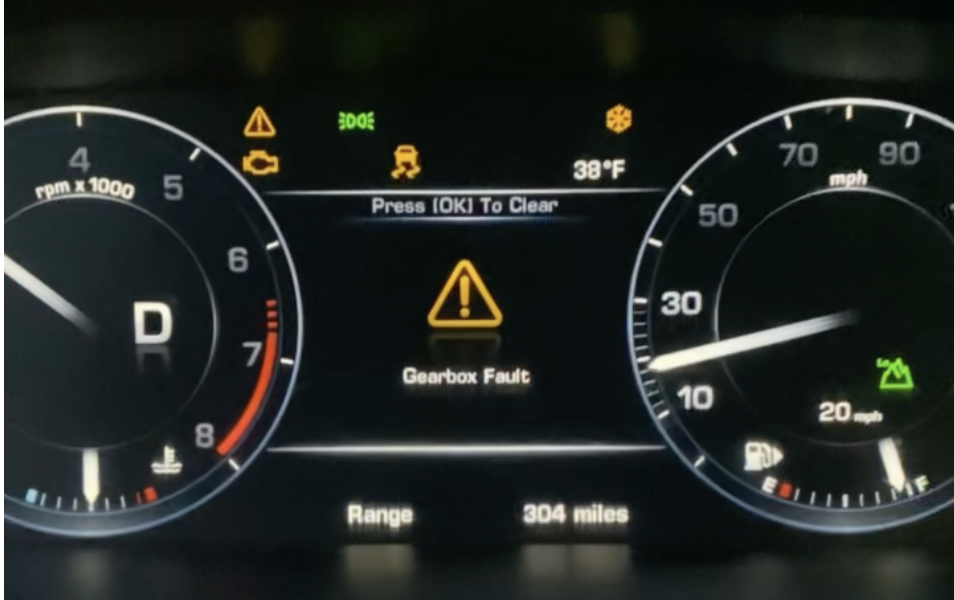
Annual dealer-level scans after warranty catch creeping air suspension, MHEV and infotainment faults before they become expensive.
Door seals, wind noise and early 2020 water ingress
Short answer: Early 2020 L663 builds reported door seal fitment issues that could allow water ingress and wind noise, particularly on Defender 90 and early 110 examples.
Owner checks and remedies: visually inspect door seals for gaps, push the seal into its channel and check for creases, and test for wet carpets after heavy rain. If you find persistent ingress, claim a repair under warranty if applicable; out-of-warranty, replacement seals and resealing are a straightforward repair at most specialists.
Preventive maintenance and pre-purchase checks
Short answer: Preventing the worst L663 faults relies on correct oil, routine long runs, and a targeted pre-purchase scan. Key models to watch are L663 110 and 90 variants with 2.0 Ingenium diesel engines and P400e PHEV units.
Checklist for buyers and owners: verify service invoices showing the correct low-SAPS oil, request a cold-start timing chain listen, run a dealer-level diagnostic for air suspension and MHEV codes, check for historic DPF or turbo work, and avoid very early 2020 builds without documented repairs. Regular diagnostic health-checks after warranty expiry are a low-cost insurance policy.
Common L663 Faults at a Glance
| Fault | Typical Symptoms | Urgency |
|---|---|---|
| Timing chain (2.0 Ingenium) | Cold-start rattle; oil contamination; low oil pressure | High urgency; stop if rattle persists |
| Turbo failure | Whine, smoke, loss of power, oil consumption | High urgency; inspect oil supply |
| Air suspension | Sagging corner, compressor noise, fault lamp | Medium urgency; driveable but get diagnosis |
| Pivi Pro / 12V drain | Infotainment reboots, MHEV warnings, battery drain | Low to medium urgency; software update or battery test |
| Door seals / water ingress | Wet carpets, wind noise | Low urgency; repair under warranty if possible |
Frequently Asked Questions
What are the most common L663 Defender faults so far?
Is it safe to keep driving with a Defender fault warning?
How much do typical L663 repairs cost out of warranty?
Which L663 variant is the most reliable so far?
How can I avoid the worst Defender problems?
Final Thoughts
The Land Rover Defender L663 is a capable modern 4×4, but a small set of repeat faults keeps owners busy. Listen for cold-start rattle on Ingenium diesels, manage DPF and oil condition with regular long runs and correct low-SAPS oil, and keep an eye on air suspension and 12V battery health. With those checks you can enjoy the Defender’s strengths and avoid the costly failures some owners have faced.
Book a Defender Health Check
Worried about timing chain rattle, a Pivi Pro reboot or air suspension faults? Call 01786 625624 to book a targeted L663 check. We are at Alva Industrial Estate, FK12 5DQ, about 30 minutes from Stirling. Pre-purchase inspections and timing chain listening available.
Sources
- KMotors – New Defender common faults – Overview of common new Defender faults and owner reports.
- Apex Engines – Ingenium engine problems – Technical detail on Ingenium timing chain and turbo issues.
- Defender2.net forum post – Owner thread describing a 2020 110 with engine failure at c.40k miles.
- 4X4 Specialist – Ingenium engine issues service – Workshop services for Ingenium engine faults, diagnostics and repairs.