
Related on 4X4 Specialist
- Discovery 5 Ingenium Diesel Timing Chain – Are the Updated Engines Better?
- How Often Should You Change the Oil on a Land Rover Ingenium Engine?
- Read: Ingenium Engine Oil Dilution – The Hidden Problem That Destroys Land Rover Diesels
→ Ingenium engine specialist diagnosis · Browse our full Land Rover & Range Rover knowledge base
Related on 4X4 Specialist
- Discovery 5 Ingenium Diesel Timing Chain – Are the Updated Engines Better?
- How Often Should You Change the Oil on a Land Rover Ingenium Engine?
- Read: Ingenium Engine Oil Dilution – The Hidden Problem That Destroys Land Rover Diesels
→ Ingenium engine specialist diagnosis · Browse our full Land Rover & Range Rover knowledge base
Ingenium Engine Rebuild vs Replacement: Which Makes Financial Sense?
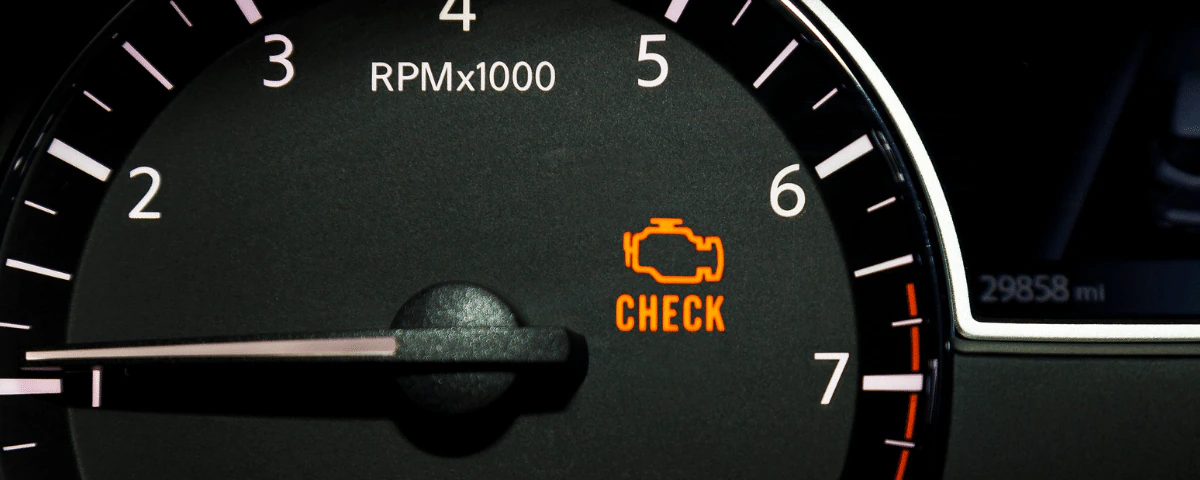
You hear a metallic rattle on cold start, the oil light flashed, then the engine went quiet. Ingenium engine timing-chain failures can snowball into a costly decision: rebuild, fit a reconditioned exchange, swap a used unit, or write the car off. This guide cuts through the jargon and gives you clear price ranges, diagnostic checks, and the financial logic so you can make the right call for your Evoque, Discovery Sport, Velar or Defender.
Short answer: When a rebuild makes sense
Short answer first: a rebuild often makes financial sense when damage is limited to the top end; timing chain guides, tensioners, camshafts, valves or a few pistons, while the block, crankshaft and main bearings remain true. That preserves your original matching-numbers engine and helps resale value for models such as Evoque L538/L551 or Discovery Sport.
If you find scored cylinder walls, a warped crank, missing conrods, or evidence of oil-starvation damage to bearings, replacement or a reconditioned exchange usually beats a strip-down rebuild on cost and time.
Practical check you can do
Listen for a metallic rattle at cold start and check engine oil for metallic flecks. A quick compression or leak-down test on a 2.0 petrol P200/P250 or diesel D150–D350 can indicate bottom-end damage; persistent leak-down above typical good thresholds suggests cylinder or ring damage and pushes the decision toward replacement.

What fails on Ingenium engines and why
The most common initiating fault is timing chain wear or guide failure; on 2.0 Ingenium units this can let the chain jump and bend valves, causing costly head repair. Diesels have extra complexity: turbochargers, high-pressure common-rail injectors and more intricate fuel systems increase rebuild parts cost.
Symptoms include metallic rattle at start, rough idle, misfire codes, low compression on one or more cylinders, and oil contaminated with shiny particles. Early diagnosis saves money, especially on models with P300 petrol or D200 diesel engines.
Codes and noises worth noting
If you see misfire or cam/crank correlation codes, or hear chain rattle that stops after warm-up, suspect timing-chain/tensioner issues; these are often repairable without full bottom-end work, provided the crank journals and bores measure within tolerance.


If the block, crank and main bearings are sound a rebuild usually preserves value and can be cheaper than a new engine.
Rebuild: what it includes and typical costs
A proper Ingenium rebuild strips the engine, performs machine work on block and head if required, fits new bearings, pistons/gowns if needed, replaces the timing-chain set, oil pump, gaskets, tensioners and tests turbos and injectors. Independent UK specialists quote rebuilt 2.0 Ingenium supply-and-fit from about 3,100 to over 6,000, depending on diesel vs petrol and parts required.
Diesel rebuilds cost more because of turbo inspection/replacement and possible high-pressure injector work. A properly rebuilt unit, with correct machining and genuine bearings, will restore factory-level performance and efficiency on P200, P250, P300 and the D150-D350 diesels.
What to insist on in the quote
Always get written detail: timing chain kit, oil pump, head and block machining tolerances, new main and big-end bearings, injector check/replacement, turbo inspection, and an itemised labour rate. Confirm whether the price includes ECU adaptation and a parts-and-labour warranty.


Replacement options: used swap, reconditioned exchange, or new
A used engine swap is the fastest and often cheapest up-front option, but it carries risk: unknown service history and shorter warranty. Reconditioned exchange engines sit between used and new; for 2.0 Ingenium Discovery Sport supply-and-fit adverts commonly list around 4,000 to 5,000 fitted.
A remanufactured or reconditioned exchange engine is quicker to fit than a full rebuild, usually includes a structured warranty, and integrates better with vehicle systems, reducing ECU adaptation headaches compared to a random used donor.
When replacement is the smarter economic choice
If there is bottom-end damage, or if rebuild quotes approach the cost of a good reconditioned exchange, replacement is often the pragmatic choice. A documented donor unit from a written-off vehicle can be excellent value for high-mileage cars.


Expect higher parts cost on D150350 due to turbo and injector work.
Diagnostic steps we use to decide rebuild vs replace
We start with a compression and leak-down across all cylinders, oil analysis for ferrous contamination, an endoscope check of combustion chambers and bores, and measurement of bores and crank journals on a micrometer. These checks find scored cylinder walls or journal damage that rule out a rebuild.
If the head is removed we check valve seats, cam journals and tensioner condition; timing-chain guides and cam phasing are inspected for metal fatigue. If you want to DIY basics: capture oil sample, note noises, and get a leak-down report; that narrows your options before you pay for full strip-down.
Estimated diagnostic cost
A professional inspection with compression/leak-down and oil analysis is typically a few hundred pounds; it can save thousands by steering you correctly toward rebuild or exchange before committing to major machine work.
Timeframes, warranties and resale impact
Expect a full strip, machining and rebuild to take about 4 to 6 weeks because heads and blocks go out for machine work and JLR-specified parts can have lead times. A reconditioned exchange or used engine swap typically fits in 5 to 10 working days, dependent on parts arrival.
A rebuilt, matching-numbers engine generally preserves resale value better than a used swap. Warranty coverage varies; reconditioned and rebuilt units usually come with independent guarantees, often 12 months/12,000 miles. Genuine new JLR engines cost significantly more and are rarely the best financial choice for older vehicles.
When to consider writing off the car
If repair or replacement costs approach the retail value of the vehicle, or the car has multiple outstanding mechanical or MOT issues, a sensible write-off becomes more likely. We always present a side-by-side cost comparison so you can decide with facts, not emotion.

Compare rebuild, reconditioned exchange and used-swap quotes with labour, ECU adaptation and warranty clearly listed before deciding.
Rebuild vs Reconditioned Exchange vs Used Engine: Quick Comparison
| Option | Typical Cost (supply & fit) | Typical Time | Warranty | Pros / Cons |
|---|---|---|---|---|
| Full Rebuild | 3,100-6,000+ | 4-6 weeks | Independent parts & labour (typically 12 months) | Preserves matching numbers; can equal factory performance if done right; longer wait, parts dependent |
| Reconditioned Exchange | 4,000-5,000 | 5-10 working days | Structured warranty (often 12 months+) | Quicker fit, tested unit, better ECU integration; higher up-front cost than some used swaps |
| Used Engine Swap | Quickest | Shorter warranty or none | Lowest immediate cost but variable history and reliability; may need ancillaries replaced |
Frequently Asked Questions
When should I rebuild an Ingenium engine instead of replacing it?
When does a complete engine replacement work out better?
How much does an Ingenium engine rebuild cost compared to a replacement?
Is a rebuilt Ingenium engine as good as a new one?
How long does an Ingenium engine rebuild or replacement take?
Final Thoughts
Deciding between an Ingenium engine rebuild vs replacement is a practical exercise: assess the bottom end first, get itemised quotes, and weigh time, warranty and resale impact. A well-executed rebuild preserves value and performs like new; a reconditioned exchange can save time and reduce risk. Make the decision with diagnostics in hand and you will avoid costly surprises.
Get a clear, written comparison for your Ingenium engine
Bring your Land Rover to us for a full inspection; we present rebuild, reconditioned exchange and used-swap options side-by-side with itemised prices and warranty terms. Call 01786 625624 or visit https://4×4-specialists.com/ingenium-engine-issues/ to book an inspection. We’re at Alva Industrial Estate, FK12 5DQ.
Sources
- Range Rover Engine Works – Rebuild vs Replace – Market prices and comparison notes for Discovery Sport 2.0 Ingenium engines
- Range Rover Engine Specialists – Rebuild vs Replace – Technical considerations when choosing rebuild or replacement
- Rebuilt Remastered – Cost differences – Analysis of rebuilt engines versus OEM cost
- Apex Engines – Used vs Reconditioned vs Rebuilt – Pros and cons of used, reconditioned and rebuilt exchange units