
Related on 4X4 Specialist
- MHEV 48V Battery Offline – Causes, Diagnosis & Repair
- Why Does My Range Rover Keep Killing Its 12V Battery? MHEV Explained
- Read: Range Rover Sport PHEV P510e Problems – What Owners Are Reporting
→ Land Rover EV/PHEV/MHEV repair · Browse our full Land Rover & Range Rover knowledge base

Discovery Sport MHEV 48V Battery Fault: What It Means and What It Costs to Fix
You parked your 2020+ Discovery Sport and later that dash light reads 48V MHEV warning, or you get a discovery sport stop start fault message. The car will usually drive on the petrol or diesel engine alone, but you lose stop/start and torque assist when the mild-hybrid system flags an error. Read on for a clear, step-by-step look at why this happens, what technicians check, and realistic costs so you know whether you need an hour of diagnostics or a larger repair.
Quick answer: what the discovery sport mhev 48v battery fault actually means
Short answer: the 48V MHEV warning on a Discovery Sport L550 signals a fault in the 48V system; that could be the 48V battery pack, the belt starter-generator (BiSG), the 48V-to-12V DC-DC converter, or the system control module. Stop/start is disabled and torque assist may be lost, but the conventional Ingenium engine keeps you moving.
Practical detail: technicians will first check the 12V battery health, state-of-charge (SOC) of the 48V pack, and any logged fault codes using JLR-capable diagnostics and a battery support unit; many faults resolve with a 12V replacement or software reflash rather than a costly 48V pack swap.

How the 48V MHEV system works on the L550
The 2020 facelift Discovery Sport L550 uses a 48V mild-hybrid system on most Ingenium engines to recover braking energy and provide torque assist via a belt integrated starter-generator, called the BiSG. The system charges a small 48V battery passively during braking and coasting; a DC-DC converter steps that down to charge the conventional 12V battery and run ancillaries.
Key parts to know by name: the 48V battery pack, BiSG (belt starter-generator), 48V-to-12V DC-DC converter and the MHEV system control module. Faults in any of these trigger the discovery sport mhev warning and typically disable stop/start and hybrid assist.
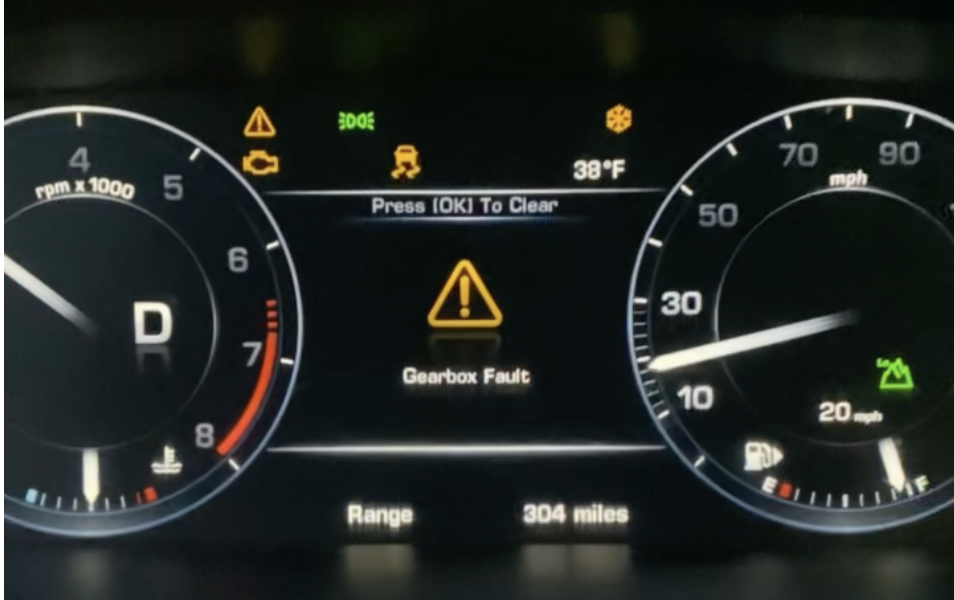

A 48V MHEV warning usually leaves the car drivable on the conventional engine, but get urgent diagnosis for ‘Hybrid System Service Required’ or reduced-engine-performance messages.
Common causes and symptoms of MHEV faults
Most common root cause: a weak or aged 12V battery creating voltage instability that the 48V system misinterprets as a charging fault. Other frequent causes are cars used only for short urban trips, vehicles left standing 2+ weeks at low SOC, and cold-weather accelerated degradation.
Less common but more expensive failures include DC-DC converter faults and BiSG mechanical or belt failures. Typical symptoms are discovery sport stop start fault, a persistent MHEV warning, or reduced torque-assist messages; drivability on the conventional engine usually remains normal.
Seasonal patterns and driving habits
Winter months raise the failure rate because low temperatures reduce 48V battery capacity. Short-trip city drivers rarely recharge the 48V pack fully; we advise at least one 30–40 minute drive at motorway speeds fortnightly to maintain the pack SOC.


Diagnostic approach: how we pinpoint the fault
Short answer first: one hour of proper diagnostics with JLR-capable kit and a battery support unit usually identifies whether the fault is a simple 12V issue, a software calibration, or a 48V component fault.
Step-by-step checks we run: record stored MHEV fault codes and freeze-frame data; check 12V battery state-of-health and conductance; measure 48V pack SOC and cell voltages; test DC-DC converter output under load; inspect BiSG belt and electrical connectors. All diagnostics are logged with part numbers and procedure codes for warranty traceability.
DIY checks you can do
Before a workshop visit, check for obvious 12V issues: dimming lights, slow cranking, or battery age sticker over 4 years. Take a 30–40 minute drive on the motorway to see if the 48V SOC recovers; if the warning clears, the issue is likely low charge rather than failed hardware.
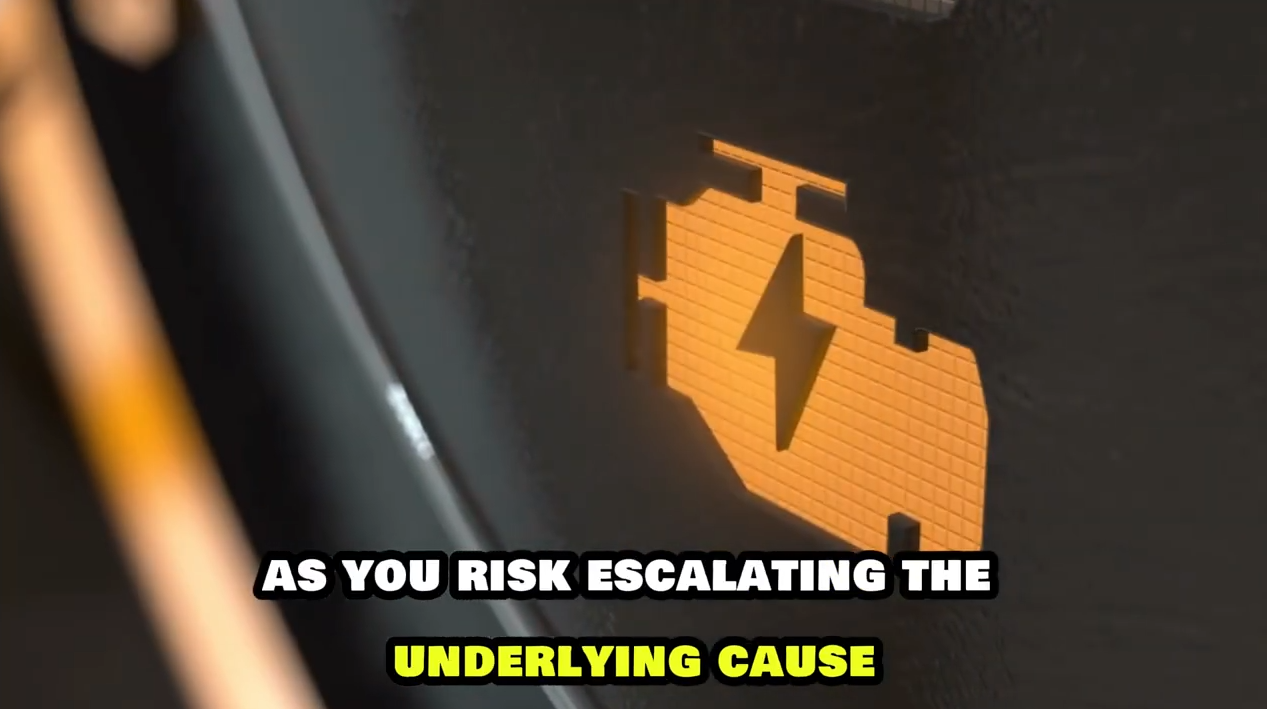
Always insist on JLR-capable diagnostics and a battery support unit; many faults resolve with a 12V battery swap or software reflash.
Repair pathways and realistic cost ranges
Common repair routes and typical costs, guidance-level only: diagnostic labour and test fees are typically £80–£160 and take about 1 hour. A conventional 12V battery replacement costs around £90–£250 including labour and OE-spec battery fitting, often resolving the fault.
If the fault is the 48V pack, expect a higher bill: 48V battery replacement can range from £1,000–£2,500 parts plus 1–3 hours labour depending on location and calibration needs. DC-DC converter replacement sits around £800–£1,800 parts plus 2–4 hours labour. BiSG replacement is the most expensive pathway, typically £1,500–£3,500 with up to a day of workshop time because of belt, alignment and calibration work. Software reflash or module reprogramming usually costs £120–£250.
Why diagnosis prevents wasted spend
Many expensive-sounding codes resolve to the 12V battery or a software update. Replacing a 48V pack without confirmatory diagnostics risks wasting £1,000s; always demand a logged diagnostic report and a clear parts vs labour quote before authorising work.

Preventing discovery sport mhev 48v battery fault
Routine habits that reduce faults: drive at motorway speeds for 30–40 minutes at least once every fortnight to recharge the 48V pack; avoid leaving the vehicle unused for more than two weeks at low SOC; accept Over The Air updates and apply dealer or workshop reflashes when available.
Battery care specifics: replace the 12V battery proactively at 4–5 years even if cranking seems fine; schedule an annual 48V health check once the vehicle is older than three years; use genuine or OE-spec 12V units to avoid compatibility faults with the DC-DC converter.
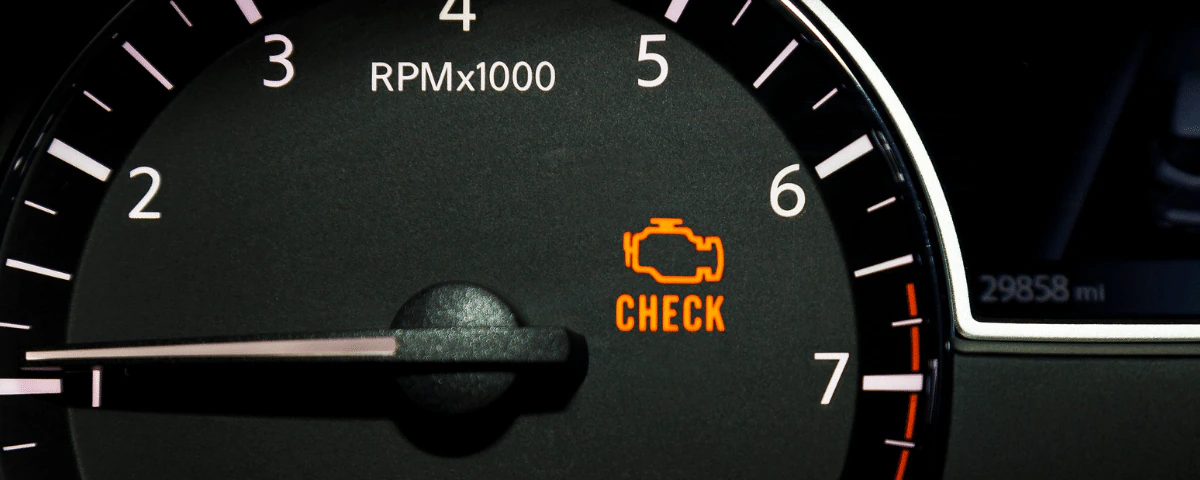

Drive longer journeys fortnightly, replace the 12V battery at 4–5 years, and schedule annual 48V checks after three years.
When to get urgent help, warranty and next steps
If you see ‘Hybrid System Service Required’, ‘See Manual’, or any accompanying reduced-engine-performance message, book diagnostics within days; a failing 48V battery can degrade to the point of stranding. If the vehicle simply shows stop/start disabled with no performance loss, you can typically drive short-term while arranging diagnosis.
Independent repair does not automatically void warranty under UK Block Exemption Regulation; retain diagnostic reports and invoice paperwork. To book a focused MHEV diagnostic or repair with trained technicians who log parts and procedures correctly, call 01786 625624 or learn more on our Land Rover EV and hybrid repair service page here. We are based at Alva Industrial Estate, FK12 5DQ and diagnostics typically take around one hour with a same-day quote.

Typical MHEV Fault Pathways and Cost Guide
| Faulty Component | Typical Labour Time | Approximate Cost Range (£) |
|---|---|---|
| 12V battery replacement | 0.5–1 hour | £90–£250 |
| Software reflash/module calibration | 0.5–1.5 hours | £120–£250 |
| DC-DC converter | 2–4 hours | £800–£1,800 |
| 48V battery pack | 1–3 hours | £1,000–£2,500 |
| BiSG (belt starter-generator) | 6–8+ hours | £1,500–£3,500 |
Frequently Asked Questions
What does the 48V MHEV warning actually mean on a Discovery Sport?
Is it safe to keep driving with the Discovery Sport MHEV warning?
How much does it cost to fix a Discovery Sport MHEV 48V fault?
What are the most common causes of Discovery Sport MHEV faults?
How can I prevent MHEV faults on a Discovery Sport?
Final Thoughts
Discovery Sport MHEV faults are unsettling but usually manageable. Start with a proper diagnostic; many warnings are cured by a 12V battery, a software reflash, or simple charging behaviour changes. If a 48V pack or BiSG is required, you now know the realistic labour and parts expectations so you can budget and avoid rushed decisions.
Book an MHEV diagnostic with specialists
Call 01786 625624 or book an MHEV diagnostic online to get a logged JLR-capable scan and same-day quote. Diagnostics typically take around one hour and we document parts and procedures for warranty traceability.
Sources
- NHTSA Technical Service Bulletin – Technical bulletin covering certain MHEV system behaviours and service guidance.
- Land Rover charging system overview – Background on 48V charging system components and common fault paths.
- Owner forum discussion on MHEV battery replacement – Community experiences with MHEV battery replacement and symptom patterns.