
Related on 4X4 Specialist
- Is ECU Remapping Worth It on a Range Rover Diesel?
- Range Rover ECU Remap – How Much Power & Economy Gain Can You Realistically Expect?
- Read: Can I Get My Land Rover Serviced Independently Without Losing the Warranty? (UK Law Explained)
→ Land Rover ECU remapping & programming · Browse our full Land Rover & Range Rover knowledge base
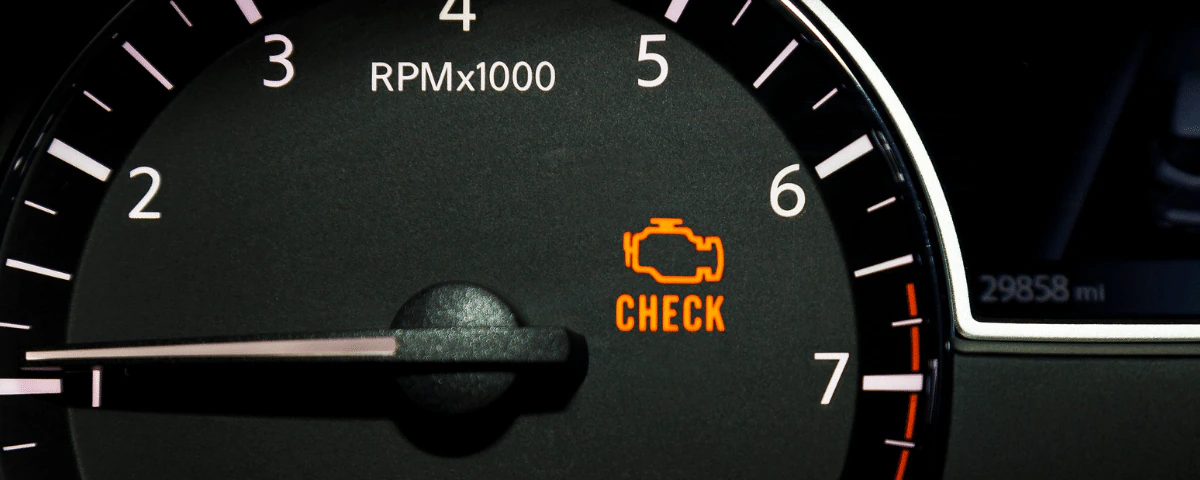
Will ECU Remapping Void My Land Rover Warranty?
You want more poke from your Range Rover or Discovery, but you also want your warranty intact. ECU remapping can unlock power and torque, yet it leaves a digital fingerprint some manufacturers can read years later. Read this short, practical guide to understand when a remap voids coverage, how JLR detects it on 2016+ ECUs, and the safe timing and tactics that owners use to protect claims.
Short answer: yes, usually
ECU remapping void land rover warranty in most cases where the manufacturer finds a tune. Land Rover and Range Rover technicians will refuse engine, gearbox, drivetrain and emissions-related warranty claims if any ECU tuning is identified; factory warranty typically runs three years from new.
If your car is from 2016 onwards the risk is higher; modern ECUs store checksum and tuning history data that persists even after a reflash, so simply restoring a stock file is not a guaranteed fix.

How JLR detects ECU modifications
Most JLR ECUs from 2016 onwards log calibration checksums and a history of reflashes; technicians compare the ECU file against the factory calibration and can spot mismatches quickly. They also review live and logged parameters such as boost peaks, fuel trim history and emission-control behaviour; anomalies can point back to a remap.
Older Land Rover ECUs, broadly pre-2016, are harder to prove altered, but not immune. If a warranty claim is contested JLR can perform deeper forensic checks, dynamometer traces or request archived ECU files to link a failure to prior tuning.


Most Land Rover ECUs from 2016 onwards record checksums and tuning history, so a discovered remap can lead to denied powertrain claims even if you later restore stock.
Exactly what warranty items will be refused
If a remap is discovered JLR can refuse claims for engine internals, turbochargers, fuel system faults, gearbox failures and emissions hardware; in practice that covers most powertrain failures. They do not need to prove the tune caused the issue; the presence of ECU modification on items it could affect is sufficient.
Unrelated components such as infotainment, door trims or interior electrics may still be covered at the dealer’s discretion, but do not rely on it. Extended Warranty contracts explicitly exclude defects caused by ECU modification.


Permanent reflash versus plug-in tuning
Permanent reflashes that overwrite factory firmware carry the highest warranty risk; they change the calibration permanently and leave checksum mismatches. Non-invasive OBD-II plug-in maps or piggyback modules that do not overwrite the ECU firmware carry lower risk, but they can still leave traceable changes in logged parameters.
If you own a Range Rover Sport L494 or Discovery 5, consider that either method can alter boost, timing or fuel correction values; those parameters are routinely checked during warranty diagnostics.
Remap after your three-year factory warranty, or after any active Extended Warranty period, to eliminate manufacturer-coverage risk.
Reversing a remap, and why it’s not a magic fix
You can and should archive the stock ECU file before any remap; with the original file we can restore factory calibration in about an hour. We always save your stock file so the car can be returned to OEM spec for sale or warranty work.
Restoring the original file does not guarantee a warranty claim will be accepted; forensic traces such as altered fuel trim history, EGT spikes or previous boost excursions can remain in other logged modules. For 2016+ ECUs the checksum history itself may show prior modifications.

Timing strategy: when to remap
If you are concerned about warranty, the safest option is to wait until factory warranty expires, commonly at three years from new. Remapping after that point has no manufacturer warranty implication; many owners remap cars after the three-year factory term or after an extended warranty lapses.
If you have an Extended Warranty or Aftercare plan, check the contract wording; the cover normally excludes any faults caused or contributed to by ECU modification, so remapping while covered is a financial gamble.
Always save the original ECU calibration before tuning; a restored stock file can take around one hour to reflash and helps for sale or diagnostics.
Third-party warranties, costs and trade-offs
Most third-party warranties such as RAC or Warrantywise exclude modified vehicles unless the modification was declared and accepted at policy purchase. If you have used-car cover, declare any tune before you buy or you risk voiding the policy.
Weigh the remap cost against potential repair bills; a remap that costs £450 to £900 today could jeopardise an engine or gearbox claim worth several thousand pounds. If you decide to proceed, insist on a full stock file archive and ask the tuner to document the work for the vehicle file.
How we handle Land Rover ECU work
We always read and archive the OEM calibration and provide it back to you on USB. If you want to discuss a safe approach to tuning or a pre-sale factory restore, talk to us; we offer remapping and programming for Land Rover and Range Rover models and we can explain warranty implications in plain terms. Learn more about our service at Land Rover and Range Rover ECU remapping and programming.
Remap Method: Warranty Risk and Detectability
| Method | Warranty Risk | Detectability (typical) |
|---|---|---|
| Permanent ECU reflash | High | Persistent checksum and tuning history; easily detected on 2016+ ECUs |
| OBD-II plug-in map / piggyback | Lower but non-zero | May alter logged parameters; detectable via boost/fuel trim logs |
| Remap after factory warranty expires | None for manufacturer warranty | No manufacturer implication once warranty has lapsed |
Frequently Asked Questions
Will an ECU remap void my Land Rover factory warranty?
Can JLR detect a remap if it’s been removed before service?
Should I wait until my warranty expires before remapping?
What about remapping a car still under JLR Extended Warranty (Aftercare)?
Can I remap, then reverse before a warranty claim, then remap again afterwards?
Does remapping void cover from third-party warranties like RAC or Warrantywise?
Do you keep the original ECU file so I can reverse the remap?
Where do I get honest remap advice for my Land Rover?
Final Thoughts
ECU remapping unlocks performance, but it also carries a clear warranty risk. If your Land Rover is within the three-year factory term or covered by Extended Warranty, expect manufacturer scrutiny; if your car is post-warranty you eliminate that risk. Archive your stock file, ask for written records of any tune, and make the decision with the full cost of potential denied claims in mind.
Talk to a Land Rover remap specialist
Want honest, vehicle-specific advice? Call 01786 625624 or drop by our workshop at Alva Industrial Estate, FK12 5DQ. We archive your stock ECU file and explain warranty impact before we touch a single wire.
Sources
- Range Rover Engine Specialists – Notes on warranty denial where tuning is identified
- Monte Tuning – Analysis of when ECU tuning affects warranty