
Related on 4X4 Specialist
- Discovery Sport MHEV Fault – 48V Battery Issues & What It Costs to Fix
- MHEV 48V Battery Offline – Causes, Diagnosis & Repair
- Read: Range Rover PHEV Battery Degradation – What to Expect & When to Replace
→ Land Rover EV/PHEV/MHEV repair · Browse our full Land Rover & Range Rover knowledge base

Land Rover EV Battery Warning Light: What Fault Codes Mean and When to Act
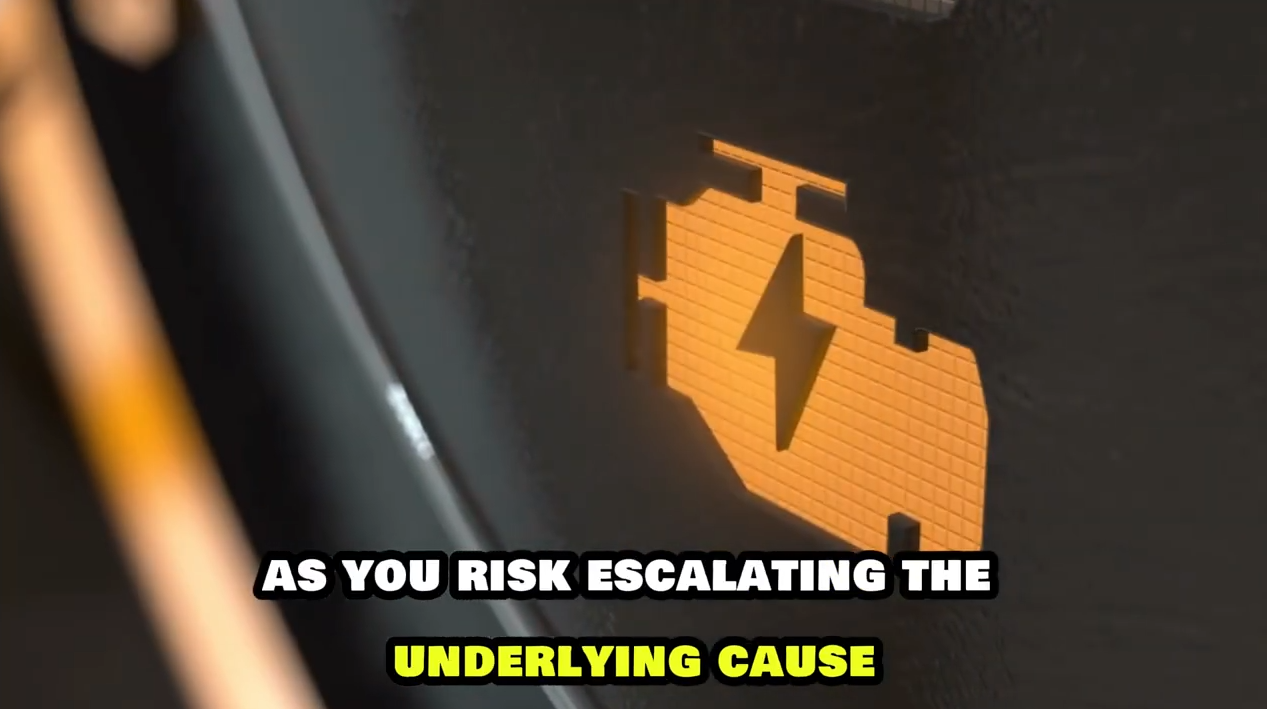
Seeing a battery warning light on your Range Rover PHEV or Land Rover EV is a stomach‑sinking moment. The land rover ev battery warning light fault codes tell you the Battery Management System has spotted something outside expected limits: voltage drift, a temperature issue, insulation fault or comms error. This short guide gives clear answers, simple checks you can do now, and when to stop and call for specialist HV diagnostics.
Quick answer: what the light means and what to do first
Short answer: the light means the BMS has detected an anomaly in the high voltage system. That ranges from mild ‘EV mode unavailable’ to serious ‘Stop Vehicle’ commands. Treat amber messages calmly and red messages urgently.
Practical checks you can do in minutes: park safely, switch the car off for 60 seconds, then restart and note the exact message. Measure the 12V battery voltage if you have a multimeter; anything below roughly 12.4 volts is suspect on a PHEV because the 12V powers the BMS. If you smell burning, see smoke or the dash shows ‘Stop Vehicle’, pull over immediately.
When to act now
If the instrument cluster shows red ‘Stop Vehicle’, smoke, chemical smell or fluid under the car, switch off and call recovery. Don’t try to drive home.
If the message is amber like ‘EV mode unavailable’ or ‘Hybrid System Limited’, you can drive slowly to a garage but avoid motorway speeds and charge cycles until checked.

Amber vs Red warnings, explained
Amber warnings usually mean the vehicle has fallen back to combustion engine operation or limited hybrid mode; the car is still driveable but EV function is suspended. Common instrument texts include ‘EV mode unavailable’ or ‘Hybrid System Limited’.
Red warnings are different: ‘Stop Vehicle’ or ‘Electrical Fault Detected’ require you to stop safely. Red messages can indicate insulation faults, severe temperature excursions, or loss of BMS control and risk pack damage or arcing if ignored.
Simple in-car behaviour cues
If EV range shrinks to zero or the car refuses to accept charge, expect BMS-imposed limitations. If performance is limp but no stop message, you have more time to arrange a controlled recovery.
If the car trips to limp-home combustion-only operation, limit load on the drivetrain and get a diagnostic scan within a few days rather than leaving it.
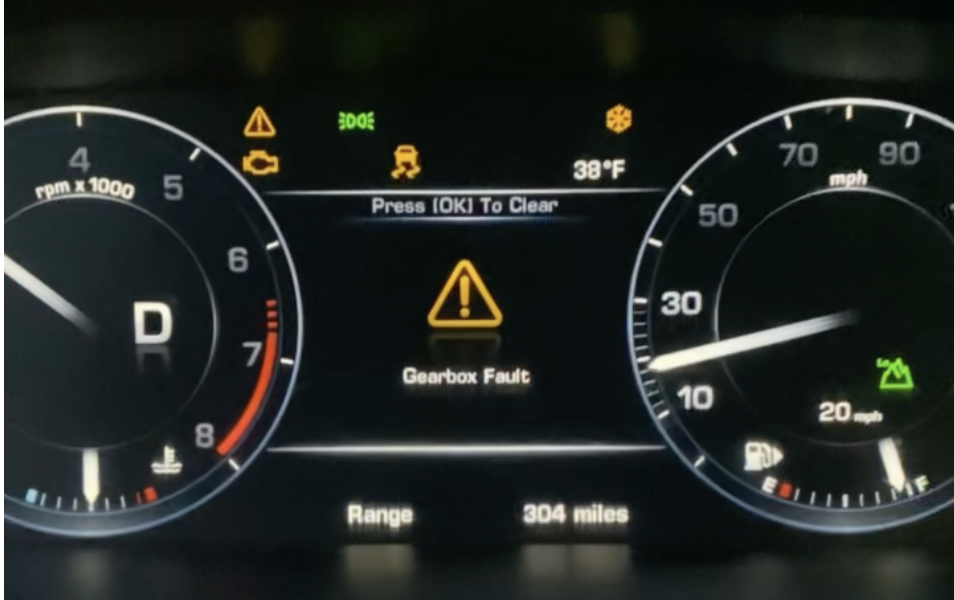

A weak 12V AGM is the commonest quick fix; measure resting voltage before panicking.
Common causes and what each feels like
Cell voltage imbalance and module drift: individual cell‑blocks can drift low after years of use or irregular charging. Symptom: reduced EV range, erratic state-of-charge readout, or an amber imbalance warning. Often solvable by rebalancing or single-module replacement at module level.
12V battery problems: on PHEVs the 12V AGM supplies the BMS and sensors. A weak 12V under about 12.4 volts can generate spurious land rover ev battery fault messages that mimic serious HV issues.
HV insulation resistance faults: these often read as ‘HV isolation fault’ and commonly originate from moisture-contaminated connectors or loom damage rather than the battery pack itself. Symptom: intermittent insulation fault codes or persistent red isolation warnings.
Temperature anomalies and cooling circuit problems: overtemperature or undertemperature alarms usually indicate a blocked or failed HV coolant pump, air lock in the circuit, or a faulty sensor. Expect thermal fault DTCs and reduced EV capability.
BMS communication and wiring faults: lost communication with a cell monitoring module shows as module comms DTCs. Symptoms include missing module voltages on a diagnostic log and erratic pack behaviour.
Owner checks for each cause
For imbalance or SOC errors, log a short drive to let the BMS rebalance and re-check the message. Avoid repeated full charges while the fault persists.
For insulation faults walk around the car looking for wet connectors around the HV junction box; if you find moisture do not drive far, cover the area and book a diagnosis.

Interpreting fault codes and what they actually tell you
Short answer: codes point to the subsystem, not always the failed physical part. A ‘cell voltage imbalance’ DTC flags which module or cell-block is out of spec. An ‘HV insulation’ code reports low insulation resistance measured between HV conductors and chassis.
Detailed checks: a proper diagnostic scan captures module voltages, insulation resistance values in megaohms, and temperature sensor readings. Compare module voltages across the pack, check cooling pump runtime, and review the BMS event log to see whether the fault is transient or persistent.
Practical on-car checks you can do
Record the exact text shown on the dash and any accompanying codes. Note when the fault appeared, what charging state the car was in and ambient temperature.
Check the 12V battery resting voltage and the HV coolant level if accessible; low 12V and low coolant are common, fixable culprits.

Amber warnings usually allow slow driving to a garage. Red ‘Stop Vehicle’ messages require immediate stop and recovery.
How professionals diagnose an HV battery warning
A full diagnostic session uses manufacturer-level scan tools to pull BMS logs, module voltages, insulation resistance and temperature history. Technicians will also perform an HV insulation test, check the 12V system under load, and confirm HV coolant flow.
Typical workflow: initial scan and live data capture, static insulation test, live-road logging if needed, then targeted component checks. Expect the initial diagnostic capture process to take around 60 to 120 minutes when cell-level data is required.
Why a proper scan matters
Reading codes with a generic OBD2 reader often misses module-level BMS data. The full picture identifies whether you need a rebalance, a single module swap, a connector clean, a coolant repair or a software update.
Software updates from the manufacturer often follow diagnosis and can fix BMS reliability issues without parts, so always check for available updates before quoting heavy repairs.
Typical repair routes and what they cost you should expect
Most repairs start small: replace the 12V AGM battery, clean or reseal a damp HV connector, or repair a coolant pump or hose. These fixes are the most common and generally the least expensive.
Module-level work: a single failed cell-block or module can be swapped without replacing the entire pack; this is more costly and may run into several thousand pounds depending on vehicle and parts availability. Full pack replacement is rare but can reach five figures.
Software and rebalancing: many ‘expensive-sounding’ codes resolve to rebalancing, calibration or a software update after full diagnosis. Always demand full cell-level logs before approving a major replacement.
Labour and time expectations
Simple fixes like a 12V swap or connector clean are usually same-day jobs. Module-level repairs or HV coolant interventions typically take multiple days when parts are ordered.
If the fault requires an insured recovery or safety isolation of the pack, add planning time for the HV safety procedure and diagnostic logging.
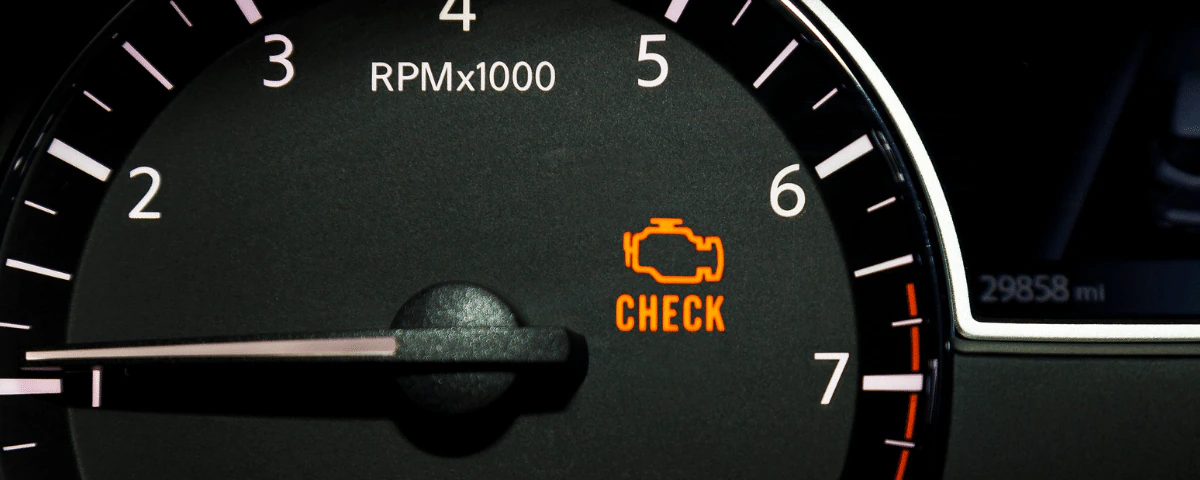
Always demand full cell-level logs; many expensive-sounding DTCs resolve with rebalancing, connector cleaning or a software update.
Preventing battery warnings: habits that save you time and money
Charge habits: avoid leaving the car at 100 percent or fully depleted for long periods; target daily charging to about 80 percent where practical to reduce stress on modules.
Drive and service: regular driving keeps the BMS balancing cells and prevents SOC calculation drift. Have the HV coolant circuit inspected per service schedule and renew the 12V AGM when voltage or crank assist weakens.
Software and monitoring
Keep your vehicle’s software up to date; BMS firmware updates can solve recurring false positives. Annual state-of-health checks give you a baseline to spot early module drift.
Fit a simple 12V voltmeter or use the vehicle app to monitor resting voltage; catch a weak 12V before it triggers misleading HV alarms.
Model-specific notes and who we cover
Common PHEV models with similar BMS architecture include Range Rover P400e (L405), P440e/P510e (L460), Range Rover Sport P400e (L494), P440e (L461), Velar P400e (L560), Evoque P300e (L551) and Discovery Sport P300e. Fault patterns such as module drift and cooling issues recur across these platforms.
If you own one of these models, note the pack layout and module accessibility vary by generation; module-level repairs that are straightforward on one chassis may be labour intensive on another. Always start with cell-level logs before pricing repairs.
When a model year or variant matters
Early PHEV iterations sometimes needed software updates to improve BMS stability; later revisions often have hardware tweaks. Provide your VIN to a technician so they can check known service bulletins for your exact build.


Fault Type, Probable Cause and Immediate Owner Action
| Fault Type | Probable Cause | Immediate Action |
|---|---|---|
| Cell voltage imbalance | Module drift or aged cell-block | Drive briefly to allow BMS rebalance, book module-level diagnostic |
| HV insulation fault | Moisture in connectors or damaged loom | Stop if red; cover area and recover for connector inspection |
| Temperature anomaly | HV coolant pump failure or air lock | Avoid charging; get coolant circuit checked |
| BMS communication fault | Connector, wiring or module failure | Capture full logs; electronics check required |
Frequently Asked Questions
What does the EV battery warning light on a Land Rover actually mean?
Is it safe to drive with the EV battery warning on?
How much does it cost to fix an EV battery warning?
What are the most common EV battery fault codes we see?
How can I prevent EV battery warning lights?
Final Thoughts
A land rover ev battery warning light is a sign to act, not to panic. Do the simple checks first: record the exact dash message, test the 12V voltage, and look for smells or moisture. Many faults are repairable without a full pack swap. Clear diagnostic logs and measured steps win over guessing every time.
Book a safe HV diagnostic with specialists
If your car shows a red ‘Stop Vehicle’ or you detect smoke or smells, stop and call for recovery. For all other EV battery warnings, we offer full cell-level diagnostics and repair; call 01786 625624 or visit https://4×4-specialists.com/land-rover-ev-repair-specialist/. We’re based at Alva Industrial Estate, FK12 5DQ, about 30 minutes from Stirling.
Sources
- TechRoute66 – Example case of battery low and warning behaviour on a Range Rover Evoque
- Greentec Auto – Breakdown of EV battery DTCs and common fault causes
- Land Rover Forums – Owner reports illustrating stop vehicle and electrical fault scenarios
- SX-Tool – Technical notes on MHEV/charging system fault behaviour