
Related on 4X4 Specialist
- Discovery 5 Ingenium Diesel Timing Chain – Are the Updated Engines Better?
- Land Rover Defender Ingenium Engine Problems – Timing Chain & Oil Dilution Explained
- Read: Evoque Timing Chain Problem – How to Spot It Before It Destroys Your Engine
→ Ingenium engine specialist diagnosis · Browse our full Land Rover & Range Rover knowledge base

Ingenium Timing Chain Rattle on Cold Start, How Serious Is It?
You crank a cold 2.0-litre Ingenium and for a second or two the engine sounds like a pocketful of coins. That metallic clatter from the gearbox end is usually the timing chain slapping its guides while the hydraulic tensioner pressurises. A short 1–3 second rattle flags chain stretch; a longer, persistent clatter or noise when warm means urgent attention is required.
Short answer: is an ingenium timing chain rattle cold start serious?
If the ingenium timing chain rattle cold start lasts 1–3 seconds, it almost always means the timing chain has stretched and the hydraulic tensioner needs a moment to build oil pressure and take up slack. That short clatter is a warning, not immediate catastrophe.
If the noise lasts 5+ seconds, happens when the engine is warm, or gets louder over days, the wear is advanced and you should treat it as urgent; a jumped tooth or snapped chain risks piston-to-valve contact and a full engine rebuild.

How the chain and tensioner work, and why the rattle starts on cold cranks
The AJ200D (diesel) and AJ200P (petrol) Ingenium engines use a timing chain driven at the rear of the engine, next to the bellhousing. The hydraulic tensioner relies on oil pressure; on a cold start the oil is viscous and the tensioner takes a fraction of a second to pressurise, letting a stretched chain slap the guides briefly.
Because the chain is at the gearbox end, access requires removing the gearbox bellhousing and in many 4WD models the transfer case or propshafts. That is why the job is labour-heavy even though the parts themselves are straightforward components.


A 1–3 second metallic clatter on cold start means chain stretch; book a scan and inspection within weeks, not months.
Symptoms and progression: from quiet warning to catastrophic risk
Early signs are a short metallic rattle on cold start and occasional rough idle; this progresses to loss of power, poorer economy and intermittent misfires as valve timing drifts. Diesel AJ200D units tend to show the wear earlier, especially on cars used for short urban trips where oil never reaches operating temperature.
If the chain jumps a tooth the engine will run very unevenly and throw cam/crank correlation fault codes in the ECU; if the chain snaps you will likely get bent valves and piston damage requiring a full rebuild or replacement.

Owner checks and diagnostic steps you can do right now
Note the exact behaviour: measure how long the ingenium timing chain rattle cold start lasts, whether it happens only when cold, and whether it grows louder. Record engine temperature and whether the vehicle has a history of short journeys under 5 miles, which encourage fuel dilution.
Get an OBD scan for camshaft correlation fault codes and cam/crank timing deviation; these fault codes confirm timing drift. Also check service history: cars serviced every 9,000–10,000 miles with OE-spec low-viscosity oil suffer far fewer chain-stretch issues than those on 16,000–21,000 mile intervals.
What to tell your mechanic
Tell them your engine code (AJ200D or AJ200P), how long the rattle lasts, whether it happens warm, and list last oil change mileage and oil grade if known. That helps prioritise a cam-crank correlation scan and mechanical inspection.


Servicing at 9,000–10,000 miles with the OE low-viscosity oil reduces the risk of early chain stretch.
Repair scope, labour and what gets replaced
Timing chain replacement on the 2.0 Ingenium is a major job: the chain, guides, tensioners, sprockets and often the oil-pump drive chain are replaced as a kit. Because the chain is at the rear, the gearbox bellhousing must be removed; on 4WD models transfer case and propshaft work is typically required.
Expect a labour-intensive, workshop-day spanning repair and a serious four-figure bill once parts and labour are combined. Independent garages will use genuine or OE-equivalent parts; replacing every wear item at once prevents paying the labour twice later.
How to prevent premature chain wear
Keep to shorter oil change intervals; servicing at about 9,000–10,000 miles with the correct OE-specified low-viscosity oil dramatically reduces timing chain wear compared with 16,000–21,000 mile intervals. Avoid prolonged short-journey use which causes low oil temperature and fuel dilution.
Use the manufacturer specification oil rather than guessing a viscosity grade; incorrect oil chemistry accelerates guide abrasion and tensioner performance loss. Regularly logging services and using genuine or OE-equivalent parts keeps later repair costs down.
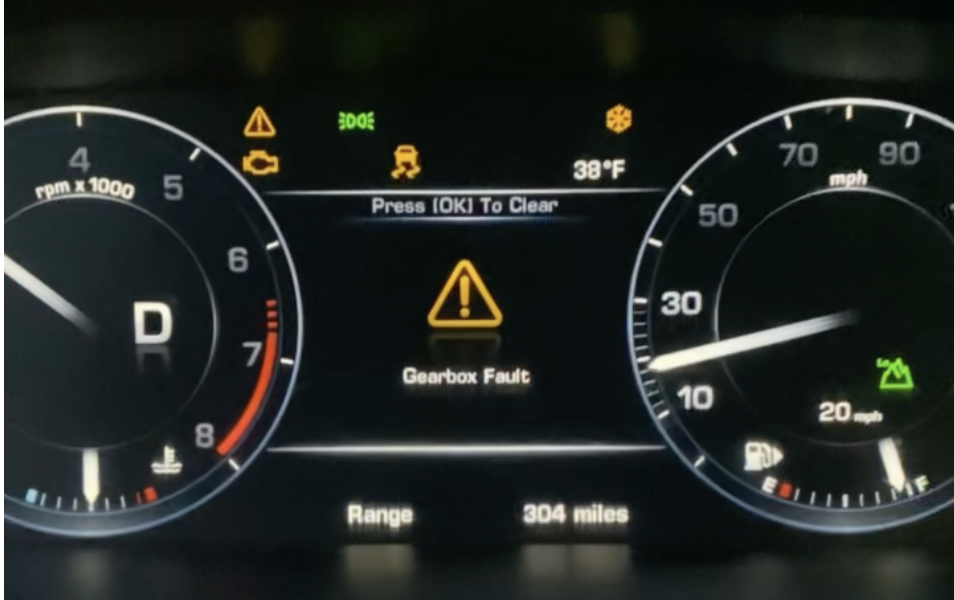

Replacement involves gearbox access, full chain kit renewal and is a serious four-figure repair, but fixes the issue long-term.
When to book a repair: quick action guide
Book a diagnostic as soon as your ingenium timing chain rattle cold start grows to more than 3 seconds, repeats on warm starts, or is accompanied by cam/crank correlation fault codes. Those signs indicate accelerated wear and a heightened risk of the chain jumping a tooth.
Short-term you can drive for a few weeks while arranging the repair, but do not ignore progressive noise. A prompt inspection lets a workshop quantify whether you have days, weeks or months left and produce a written quote for the full replacement kit and labour.

Rattle severity, likely cause and recommended action
| Noise Length / Condition | Likely Cause | Recommended Action |
|---|---|---|
| 1–3 seconds, cold only | Chain stretch; tensioner pressurising | Book diagnostic within weeks; OBD scan for cam/crank correlation codes |
| 5+ seconds or loud | Advanced stretch; guide or tensioner degraded | Arrange urgent timing chain replacement; expect major labour |
| Clatter when warm or misfires | Chain jumped a tooth or severe wear | Stop driving; tow to workshop for inspection; risk of internal damage |
Frequently Asked Questions
What does a timing chain rattle on cold start actually mean?
Is it safe to keep driving with a timing chain rattle?
How much does an Ingenium timing chain replacement cost?
Which Land Rover and Range Rover models are affected?
What causes the Ingenium timing chain to wear early?
Final Thoughts
A metallic rattle on cold start is a clear early warning from an Ingenium engine. Treat a 1–3 second rattle as a prompt to scan and inspect, not a problem to ignore. With the right diagnostics and a full timing kit replacement when needed, you avoid far worse engine damage and keep your Land Rover or Range Rover running as it should.
Hear a rattle? Book an Ingenium inspection
Call 01786 625624 or visit https://4×4-specialists.com/ingenium-engine-issues/ to book a listening check and ECU scan. We’ll log camshaft correlation codes, assess whether you have weeks or days before the chain needs replacing, and provide a written quote. Workshop at Alva Industrial Estate, FK12 5DQ.
Sources
- Technical guide on Ingenium timing chain faults – Technical overview of timing chain issues on 2.0 Ingenium engines