
Related on 4X4 Specialist
- Range Rover Brake Service Intervals – What Land Rover Won’t Tell You
- Can I Get My Land Rover Serviced Independently Without Losing the Warranty? (UK Law Explained)
- Read: Can an Independent Garage Service My Range Rover Without Voiding the Warranty?
→ brake servicing & repairs · Browse our full Land Rover & Range Rover knowledge base

Range Rover Electronic Handbrake Fault: Causes, Checks and Fixes
A stuck electronic handbrake at the roadside is one of those problems that ruins a day fast. Whether your dash shows ‘Parking Brake Fault’ or you hear grinding from the rear caliper, the typical culprits are known and fixable. This short guide walks you through what an EPB fault means on Range Rover models like the L322, L405 and L494, what checks you can safely do, and when to call for professional diagnosis.
How the Range Rover EPB system works
Short answer: the electronic parking brake uses a motorised actuator built into each rear caliper so the system can apply or release the handbrake electrically; common models with this layout include Range Rover L322, L405 and Range Rover Sport L320 and L494.
Detailed: each rear caliper actuator has a small electric motor and position sensing so the EPB module knows when the pad has moved to the target position; with a healthy 12V supply the module completes the cycle and stores the position, on many JLR cars this process is also tied to ABS/ESP modules such as found on Discovery 4 and Defender L663.

Common symptoms of a range rover electronic handbrake fault
Signal symptoms: you may see ‘Parking Brake Fault’ or ‘Service Required’ on the cluster, hear unusual grinding or whirring from the rear caliper motor, or find the handbrake will not release on one side; these signs are common on Velar L560, Evoque L538/L551 and Range Rover L460.
Practical checks: if you feel a one-sided drag at low speed or smell hot brakes after a short run, stop immediately and check the rear wheel temperatures; driving with a partially-engaged EPB cooks discs and pads within a few miles on models like Discovery 5.


An EPB fault can be a motor, seized piston or low 12V issue; scanning the fault codes on models like L405 or L494 prevents unnecessary caliper replacement.
Actuator motor failure explained
Short answer: most range rover epb fault cases trace to a failed EPB actuator motor inside one rear caliper; the motor either stalls or draws too much current and the module logs an error, this is common on L322 and L405 models.
Practical detail: when an actuator fails you often hear a whine or click during engage/release and the system reports a fault because the motor did not reach its target position; replacement of the actuator or entire caliper is the usual repair on Range Rover Sport L494 and Range Rover L460.


Seized caliper pistons and corrosion issues
Short answer: seized rear caliper pistons prevent the EPB motor from moving the pads; this commonly affects cars that sit for weeks or only do short trips, notably older L322 and Discovery 4 examples.
Practical checks and remedy: look for surface rust on the rotor and slider corrosion; a proper bedding run at 40 to 50 mph with firm stops helps clear light corrosion on models like the Velar L560, otherwise the caliper or piston seal often needs replacement or a full caliper swap.
Why short trips are worse
Short trips never heat the discs enough to evaporate moisture, so corrosion builds on the pad face and rotor; over months this increases EPB motor load on L538 Evoque and L551 Evoque calipers and can cause actuator overload faults.
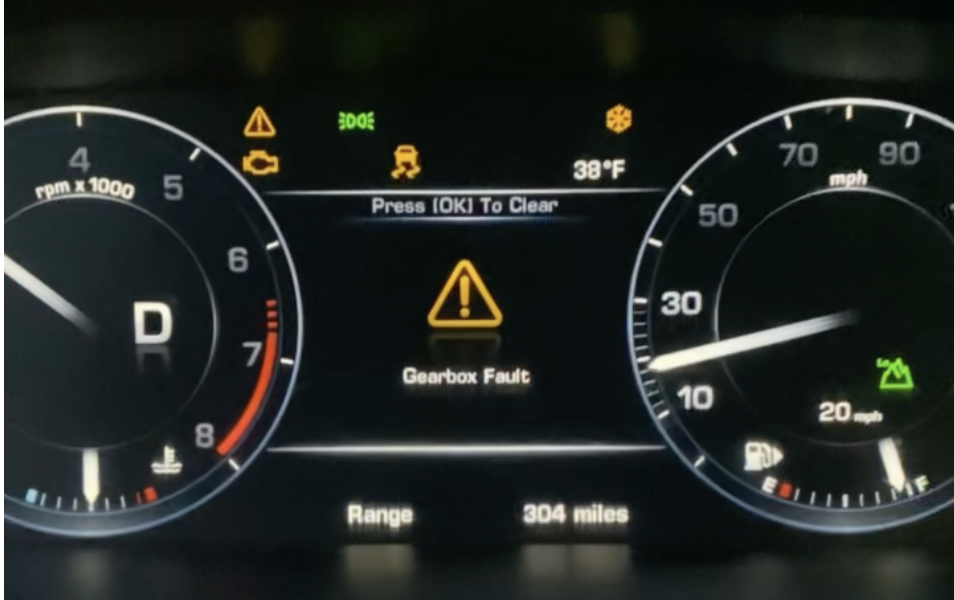

If you detect wheel drag or hot brakes after a short run, stop; driving a few miles with a partially-engaged EPB will cook the discs and pads quickly.
12V battery voltage problems and module errors
Short answer: low 12V voltage will cause spurious range rover epb fault codes during an EPB cycle because the module cannot complete motor moves reliably; keep the battery above normal resting voltage on models like L405 and L460.
Practical advice: if you see an EPB warning after a jump-start, battery replacement or long storage check the 12V health with a multimeter; many garages log battery voltage and perform a full EPB calibration on vehicles such as Range Rover Sport L494 after a battery change.
Using diagnostics and OBD tools
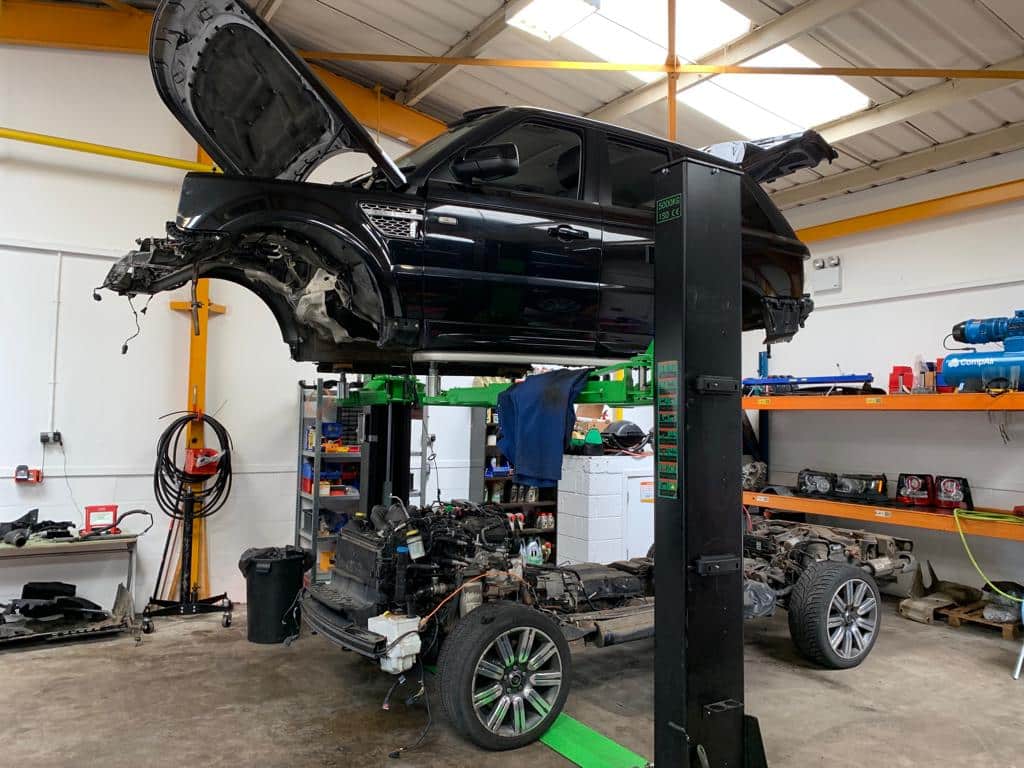
Short answer: a diagnostic tool is required to read EPB fault codes and to perform caliper retraction and system calibration; popular factory-level tools are used for L322, L405, L460 and L494 models.
What the garage will do: a technician will connect a scan tool, read the stored EPB codes such as ‘Parking Brake Fault’, attempt a controlled retraction of the calipers, and measure motor current if required; calibration is mandatory after a battery replacement on many JLR cars.
Manual release procedure for stuck EPB
Short answer: most manual releases require removing the rear wheel and gaining access to the caliper; this is a workshop task for models like the L405 and L494 and not a simple roadside trick.
Step outline: with the vehicle safely supported on a jack and axle stands, remove the wheel, release the EPB mechanism at the caliper by the manual release screw or electric motor access, and only then test-drive for 1–2 miles to check for drag on cars such as Evoque L538.
Repair process: actuator and caliper replacement
Short answer: if the actuator motor is the fault we replace the actuator or the whole caliper; if the piston is seized the entire caliper swap is more reliable, this applies across L322, L405, L494 and Defender L663 models.
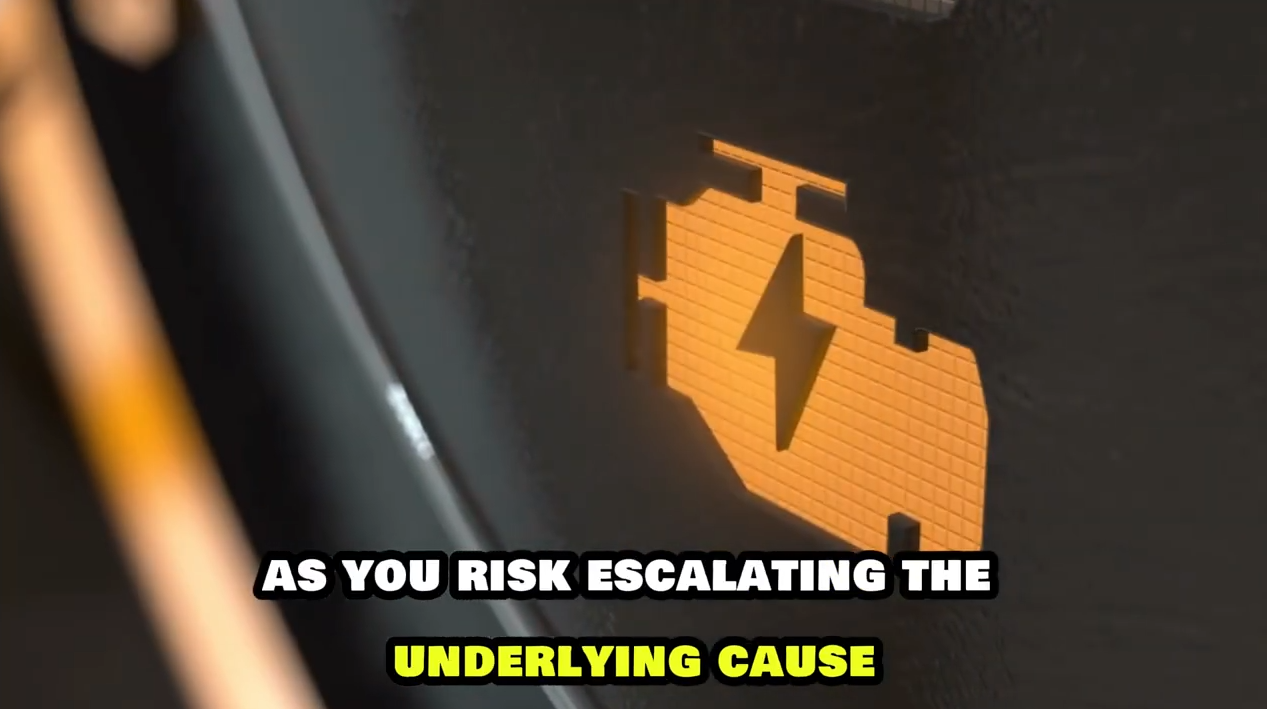
Practical repair notes: technicians fit genuine or OE-equivalent calipers, change pads and inspect discs for heat damage when discs show blueing or warping; after any caliper or actuator swap you must retract the EPB with a scan tool and perform calibration on vehicles such as Range Rover Sport L494.
Preventing future EPB faults
Maintenance habits: avoid leaving the EPB applied for months on end on flat surfaces for models like Evoque L538 and Discovery 5; where a car will sit for weeks put the gearbox in Park and leave the EPB off to reduce corrosion and actuator load.
Routine care: keep the 12V battery healthy by testing it annually, perform a short high-speed bedding run at 40 to 50 mph every few months to clear surface rust on rear rotors, and arrange a diagnostic check if the EPB warning appears after jacking the vehicle or changing suspension height on cars like Defender L663.
Quick Fault Comparison: Actuator vs Seized Piston vs Battery
| Fault | Typical Symptom | Common Models Affected |
|---|---|---|
| Actuator motor failure | Whine from caliper, one-sided drag, ‘Parking Brake Fault’ | L322, L405, L494 |
| Seized caliper piston | Hard to release, wheel hot after short run, visible corrosion | L322, Discovery 4, L405 |
| Low 12V battery | Intermittent EPB errors during cycle, often after storage or battery change | All EPB-equipped models (e.g. L460, L560) |
Frequently Asked Questions
What does an electronic handbrake fault mean on a Range Rover?
Is it safe to drive with an electronic handbrake fault?
How much does it cost to fix a Range Rover electronic handbrake?
What are the most common causes of EPB failure on a Range Rover?
How can I prevent EPB failure on my Range Rover?
Do you cover EPB repairs on Sport, Vogue, Velar, Evoque, Defender and Discovery?
Will an independent specialist void my warranty by repairing the EPB?
Where is 4X4 Specialist and how do I book an EPB repair?
Final Thoughts
An EPB fault on a Range Rover is rarely catastrophic if you act quickly: check for drag, test the 12V battery, and get a proper scan and caliper check. Early diagnosis on models like L405 or L494 limits damage and keeps repair costs down.
Need a professional EPB diagnosis?
Book a diagnostic appointment and we will read the EPB codes, inspect rear calipers and advise the right repair plan quickly.
Sources
- YouTube EPB repair video – Video showing EPB actuator removal and manual release procedure for JLR calipers.
- FullfatRR forum discussion – Owner reports and discussion threads on EPB failures and actuator noise across Range Rover models.