
Disclaimer: This article is intended for general informational purposes only and is aimed at complete novices. Every situation is unique, and specific details may vary. For accurate and in-depth guidance, please consult a qualified JLR specialist in your area.
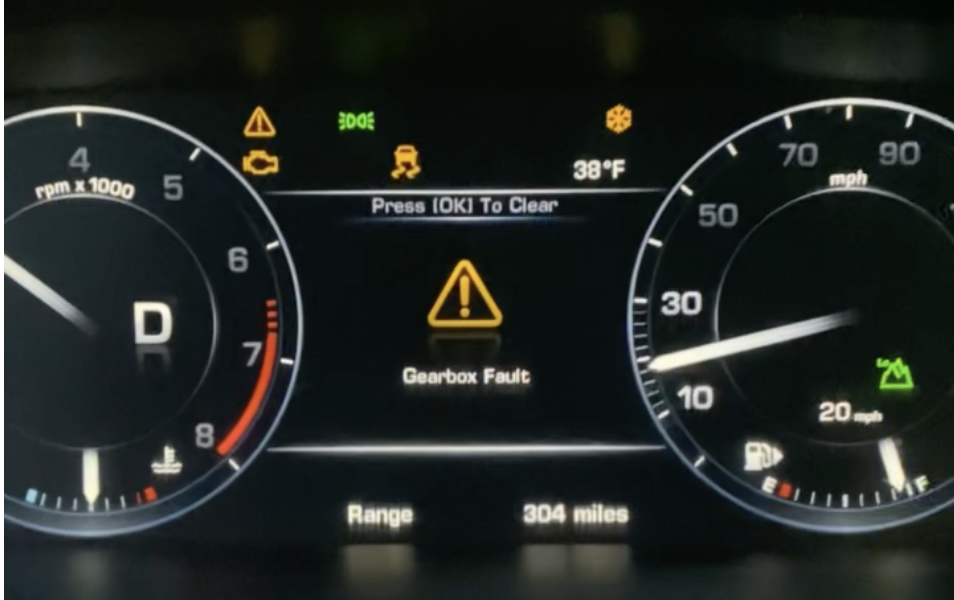
Your range rover engine warning light might make you nervous, but it’s not always a big problem. The solid yellow engine light usually points to something minor, but a flashing light means you should stop driving right away. We see this all the time – loose gas caps, faulty oxygen sensors, or worn spark plugs are common culprits. These problems range from simple fixes to more complex repairs.
We’ve put together this detailed guide to give you a clear picture of what your engine warning light means and what you can do about it. Making the correct decisions, early on can potentially save you time and money.
Understanding Range Rover Warning Lights
Range Rover uses a smart colour-coded warning light system that lets drivers quickly spot problems. The dashboard indicators might look complicated at first glance, but they’re designed to be easy to understand and act upon.
Yellow vs Red Engine Lights
The Range Rover warning system uses two main colors to tell you how serious engine problems are [1]. A yellow or amber light shows up when something needs attention but isn’t an emergency [2]. Your vehicle stays safe to drive when you see a yellow check engine light, though it might switch to a protective “limp-home” mode to avoid any damage [3].
Red warning lights need your immediate attention because they signal dangerous conditions [4]. Here’s what you should do when you see a red engine warning:
Pull over safely right away
Switch off your engine
Don’t restart until a professional checks it
Call a qualified Range Rover specialist
Common Warning Light Patterns
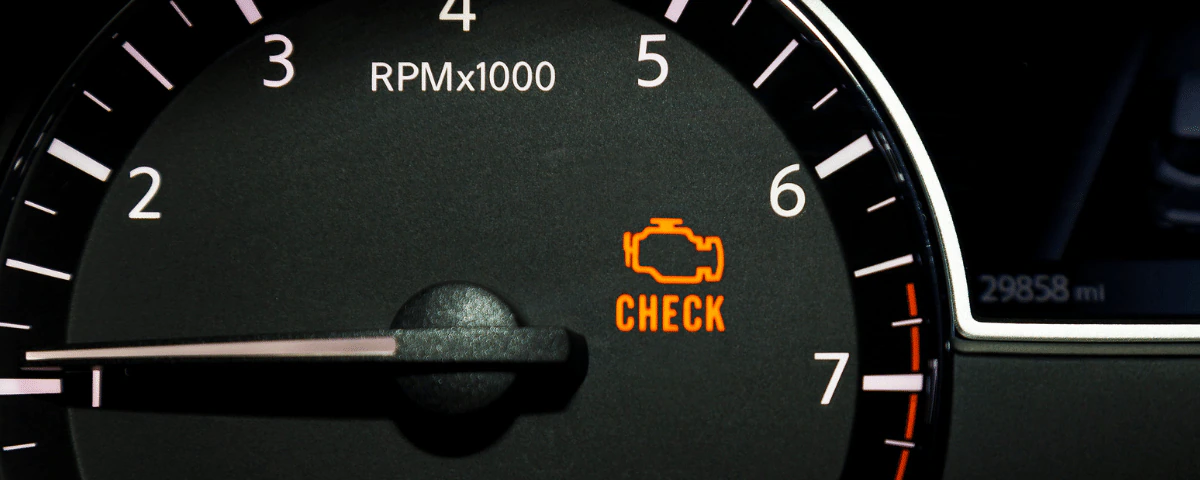
Your vehicle’s condition becomes clear through specific light patterns. A steady yellow engine management light usually points to an emissions problem [3]. The check engine light sometimes comes and goes, so you should watch for any changes in how your car runs during these times [5].
Your Range Rover tests all warning lights when you start the car [6]. A light that stays on after this check means there’s an active problem that needs attention. A blinking check engine light signals a serious issue that could harm your catalytic converter [2].
The system has other warning lights that work with the main engine light. The temperature warning shows red if your engine gets too hot [7], and the oil pressure warning means you must shut down the engine and check the oil level right away [8].
Common Causes of Engine Warning Lights
Several mechanical and electrical components can trigger the Range Rover’s engine warning light. Understanding these common causes helps diagnose problems quickly.
Loose Gas Cap Issues
A loose or damaged gas cap is one of the most common triggers of engine warning lights [9]. The gas cap’s failure to maintain a proper seal lets fuel vapors escape through evaporation and reduces fuel efficiency [10]. This small issue affects the fuel system’s pressure balance and can make the check engine light come on right after refueling [11].
Faulty Oxygen Sensors
The oxygen sensor checks exhaust gas composition and maintains optimal air-fuel mixture. Hot exhaust gasses can damage these sensors over time [9]. A malfunctioning oxygen sensor creates these problems:
Excessive fuel consumption and reduced economy
Increased harmful emissions
Risk of catalytic converter damage
Engine performance issues and misfires [12]
Spark Plug Problems
Spark plugs create the essential spark that ignites the air-fuel mixture in your Range Rover’s combustion chamber [9]. Deteriorating components can cause multiple issues in your vehicle. Bad spark plugs often cause engine misfires that result in noticeable jolts during acceleration [10]. Worn spark plugs can trigger the engine warning light and lead to:
Battery-Related Warnings
Battery issues often show up as multiple warning lights at once [14]. A failing charging system usually displays a steady warning lamp while driving [15]. Battery-related problems in your Range Rover might cause:
Multiple sensor errors at the same time
Reduced performance
Limited-speed mode
Transmission-related warnings [16]

Quick Checks Before Visiting a Mechanic
Simple checks can identify common issues that trigger your range rover engine warning light before you visit a mechanic. These initial checks will help you decide if you need professional help right away.
Simple Visual Inspection Steps
The gas cap needs checking after refueling since a loose cap often triggers the warning light [17]. Make sure the cap clicks into place to maintain proper fuel system pressure. A well-sealed gas cap typically fixes the issue after you drive a few times.
We checked these performance indicators:
Engine power fluctuations or unexpected decreases
Unusual engine sounds or vibrations
Changes in fuel efficiency
Irregular idle behavior or RPM surges [11]
Your vehicle might have a battery charging system fault if multiple warning lights come on together [18]. You should check the battery connections and overall condition at the time you notice this issue.
Safe Driving Guidelines When Light is On
Your Range Rover’s warning light colour and pattern will determine how you should respond. You can continue driving with caution if you see a steady yellow light [1]. Still, stay away from heavy driving conditions like towing or high-speed operation [17].
A flashing check engine light needs immediate attention. This pattern shows serious engine problems that could damage expensive parts like the catalytic converter [11]. Pull over safely and call a qualified Range Rover specialist in this situation.
These safety protocols matter if you must drive with an illuminated warning light:
Reduce speed and avoid aggressive acceleration
Monitor engine temperature closely
Pay attention to any performance changes
Avoid extended driving periods [17]
AdBlue systems in your vehicle might show a warning light due to low fluid levels instead of engine problems [1]. Check the Diesel Exhaust Fluid (DEF) level since your engine won’t run if it’s completely empty [18].

How to Reset the Engine Warning Light
You can reset a Range Rover engine warning light in different ways based on why it happens. We used two main methods: disconnecting the battery or using diagnostic tools.
Battery Disconnect Method
The battery disconnect method is a simple reset option if you’ve fixed what caused the warning light [19]. You’ll need some simple tools to do this:
Turn off the engine and put on the parking brake
Put on safety glasses and gloves
Open the hood and find the negative battery terminal (black cap)
Take off all metal objects and jewelry
Loosen the cable with a wrench
Wait 60 seconds with the cable disconnected
Put it back and tighten with wrench [2]
Important Note: Your radio settings, power windows, and clock will reset when you do this [20].
Using OBD2 Scanner ( Older Models )
Professional OBD2 scanners are a better way to clear engine warning lights. These tools talk directly to your Range Rover’s Engine Control Module (ECU) [21]. A scanner does more than just clear codes:
Reads detailed fault information
Views live data from engine systems
Monitors transmission parameters
Checks temperatures and pressures [21]
Range Rover models after 2016 need specialised scanners like Pathfinder or Topix Cloud for models 2021 onwards tools for detailed diagnostics [22]. These professional tools get regular software updates to work with newer models.
Problems with DIY Scanners
Cheap DIY scanners don’t deal very well with complex issues. In fact, many budget OBD2 readers can’t:
Access all vehicle systems
Give accurate diagnostics
Get regular software updates [22]
Standard OBD readers under £100 only handle simple diagnostics for misfires and oxygen sensor issues [7]. The ECU won’t let you reset warning lights if you haven’t fixed the actual problem [21].
Critical Warning: You’ll need to fix the actual fault 99% of the time before the warning light will turn off [21]. Your best bet might be visiting Range Rover specialists to diagnose and fix complex problems properly [4].

When to Seek Professional Help
You might need professional help when your Range Rover shows certain warning patterns. These patterns will help you figure out if DIY fixes are enough or if you need an expert’s help.
Emergency Warning Signs
Red warning lights just need immediate professional attention [23]. A flashing check engine light shows severe engine problems that could damage expensive parts [5]. You should stop driving and get professional help if you see these important indicators:
Continuous flashing of engine warning light
Multiple warning lights illuminating simultaneously
Red triangle with exclamation point (VSA system issue)
Low oil pressure warning combined with engine light
Engine temperature warning in red
Driving with these warning signs active can cause major engine damage [9]. The safest option is to tow your vehicle to a specialist when these critical warnings appear [5].
Finding a Qualified Range Rover Specialist
The right specialist will give a proper diagnosis and repair. Qualified Range Rover technicians go through specific training and certification [8]. These professionals use state-of-the-art diagnostic equipment to spot electrical, mechanical, and software-related problems [8].
Qualified technicians do full health checks on all critical systems, from engine and transmission to braking and suspension components [8]. Their expertise goes beyond simple diagnostics to include:
Fault diagnostic services
Expert resolution capabilities
Detailed fault reporting
Precise repair recommendations
Note that getting qualified specialists to check warning lights quickly often prevents small issues from becoming major repairs [26]. Professional help becomes especially important when you have performance issues with warning lights, like reduced stopping power or unusual engine noises [24].

Conclusion
Range Rover warning lights tell you everything about your vehicle’s health. Yellow lights mean you can drive carefully until you get it checked, but red warnings just need immediate professional help. These signals protect your investment and keep you safe.
Simple fixes might solve basic problems. You could check if the gas cap is tight or look at battery connections. But DIY repairs on complex issues can cause more damage. You’ll need professional diagnostic equipment and expertise to detect faults and make proper repairs.
Clearing warning lights without fixing why it happens won’t work – fault codes will show up again. Your Range Rover needs regular maintenance from qualified specialists to prevent small issues from turning into major repairs. Quick action on warning lights saves money and makes your vehicle last longer.
Listen to your gut feeling. When something feels off with your Range Rover, get it checked by a professional. Fast action prevents repairs from getting pricey and keeps your luxury vehicle running at its best.